
Improving Indoor Air Quality for Kids with Asthma in The Grove
For families in The Grove asthma triggers are more than a seasonal nuisance. St. Louis’s high humidity ragweed pollen and historic brick homes create a perfect storm for poor indoor air quality. Understanding how your HVAC system can help is the first step toward protecting your child’s lungs. Asthma and Allergy Foundation of America.
Why St. Louis Air Quality Challenges Asthma
The Grove sits in the Mississippi River Valley where humidity often exceeds 70% in summer. This moisture clings to ductwork and promotes mold growth. Combine that with ragweed season from August to October and you have airborne irritants that can trigger asthma attacks. The Asthma and Allergy Foundation of America ranks St. Louis among the top 20 most challenging cities for asthma sufferers.
Older homes in The Grove often have narrow aging ductwork that traps dust and allergens. Without proper filtration these particles recirculate through your home every time the blower runs. The result: constant exposure to triggers that can inflame airways and cause coughing wheezing or worse.
Understanding MERV Ratings for Asthma Relief
MERV stands for Minimum Efficiency Reporting Value. It measures how well a filter captures particles between 0.3 and 10 microns. For asthma relief you need a filter that captures both large debris and microscopic allergens.. Read more about How to Tell Which Way Your Air Filter Should Point in Your Vinita Park Home.
| Filter Type | MERV Rating | Best For | Airflow Impact | Cost Range |
|---|---|---|---|---|
| Fiberglass | 1-4 | Basic dust | Minimal | $2-5 |
| Pleated | 8-11 | Pollen pet dander | Low | $5-15 |
| High-Efficiency | 13+ | Smoke bacteria viruses | Moderate to High | $15-40 |
A MERV 11 filter captures 85% of particles between 3-10 microns including most pollen and dust mites. A MERV 13 filter captures 90% of particles down to 1 micron including smoke and some bacteria. But higher MERV ratings also restrict airflow which can strain older HVAC systems. Air Purification Systems.
The Problem with ‘Too Much’ Filtration (Static Pressure System Health)
Installing a MERV 16 filter in a 20-year-old furnace might seem like a good idea for asthma relief. But it can actually harm your system. High-efficiency filters create more resistance forcing the blower motor to work harder. This increases energy use and can lead to overheating or premature failure. The Best Local Furnace Replacement Options for Kirkwood Families.
Technicians measure this resistance as static pressure. If your system’s static pressure exceeds the manufacturer’s specifications you risk damaging the heat exchanger or compressor. In The Grove where many homes have original ductwork from the 1920s-1940s this is a common concern.. Read more about Does Your New Radon Mitigation System Affect HVAC Performance in Your Glendale Home?.
Before upgrading to a high-MERV filter have a professional test your system’s static pressure. They’ll check the blower motor’s amp draw and ensure your ductwork can handle the increased resistance. This diagnostic step prevents costly repairs and ensures your asthma relief efforts don’t backfire. EPA Indoor Air Quality.
Top 3 Filter Recommendations for St. Louis Homes
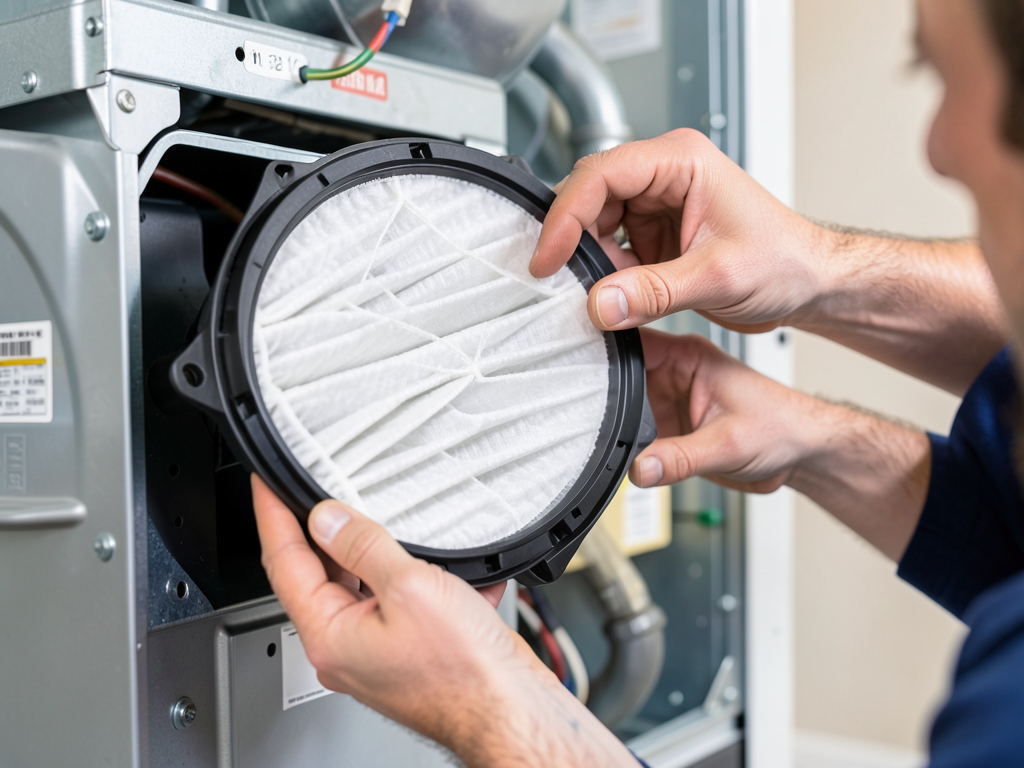
For most families in The Grove a MERV 11 pleated filter offers the best balance of allergen capture and system compatibility. It traps pollen mold spores and pet dander without significantly restricting airflow.
If your home has severe asthma cases or multiple pets consider a MERV 13 filter. Just be sure your HVAC system is less than 10 years old and has been professionally evaluated for static pressure. Why Professional Air Duct Cleaning is Essential for Wildwood Homes.
For homes with central air handlers in unconditioned spaces (like attics or crawlspaces) a media filter cabinet with a 4-5 inch thick MERV 13 filter provides superior filtration with minimal pressure drop. These systems are installed by professionals and can last up to a year between changes.
Why Local Factors Matter St. Louis Humidity and Mold Growth
St. Louis’s humid continental climate creates conditions where mold can grow in as little as 24-48 hours. When warm moist air meets cool ductwork condensation forms. This moisture combined with dust and skin cells trapped in filters becomes a breeding ground for mold spores.
In The Grove many homes have basements or crawlspaces where humidity levels often exceed 60%. Without a dehumidifier this moisture migrates upward through the structure affecting air quality throughout the home. A whole-home dehumidifier integrated with your HVAC system can maintain optimal humidity levels between 30-50% reducing mold risk. Top Rated AC Installation Companies Serving Ladue and Clayton.
Regular HVAC maintenance is critical. During a tune-up technicians clean the evaporator coil check for microbial growth and ensure condensate drains are clear. This prevents the system from becoming a source of contamination rather than a solution.. Read more about Essential Maintenance Tips for PTAC Units in Central West End Apartments.
Beyond Filters Whole-Home Air Purifiers and UV Lights
For families dealing with severe asthma a single filter isn’t always enough. Whole-home air purifiers use HEPA-grade filtration and activated carbon to remove both particles and gases. These systems are installed in the return air duct and clean all air passing through your HVAC system.
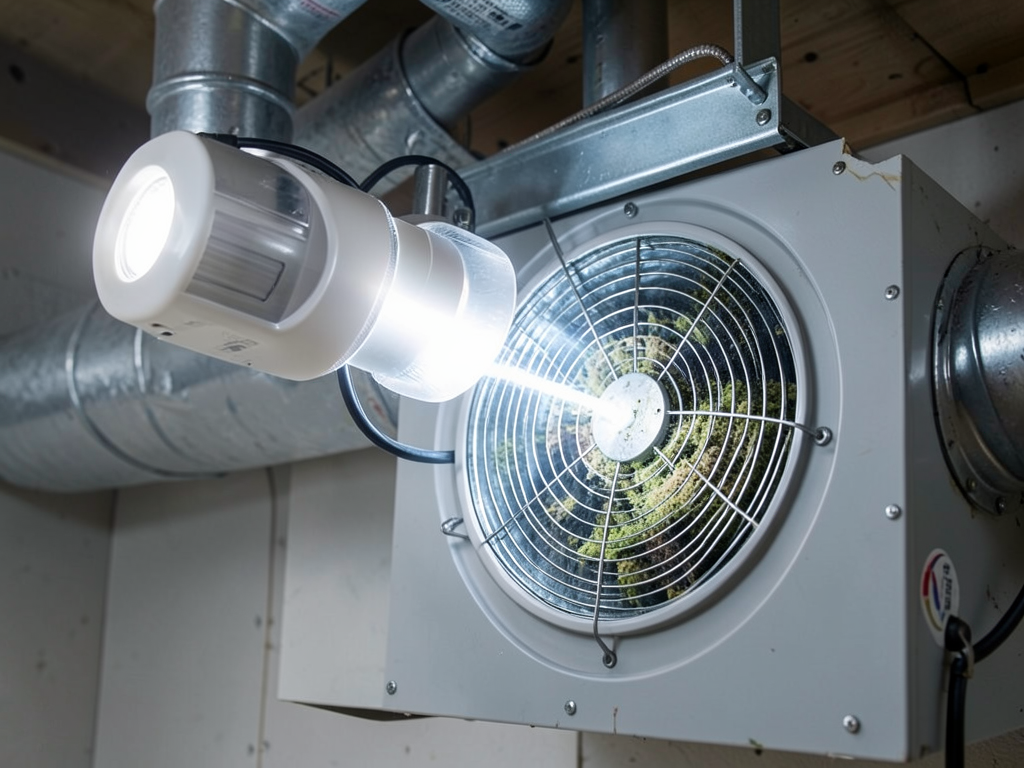
UV germicidal lights installed in the ductwork kill mold bacteria and viruses on contact. They work 24/7 to sanitize the air and prevent microbial growth on coils and in ductwork. This is especially valuable in St. Louis’s humid climate where mold spores are a year-round concern.
Electronic air cleaners use an electrical charge to attract and trap particles as small as 0.1 microns. They’re highly effective for smoke bacteria and even some viruses. However they require regular cleaning to maintain efficiency.
Indoor Air Quality (IAQ) Testing The First Step
Before investing in air purification equipment consider an IAQ assessment. A professional test measures particulate matter (PM2.5) volatile organic compounds (VOCs) humidity and carbon dioxide levels. This data reveals exactly what’s in your air and helps target solutions.
During an IAQ test technicians use handheld meters to sample air from multiple rooms. They check for radon (common in St. Louis due to limestone bedrock) carbon monoxide and formaldehyde. The results guide recommendations for specific filtration or purification technologies.
For families in The Grove IAQ testing often reveals high levels of outdoor allergens infiltrating the home. This is particularly true for homes near Forest Park or Tower Grove Park where pollen counts can be extreme during peak seasons.
Seasonal Filter Maintenance for Asthma Relief
St. Louis’s distinct seasons require different filtration strategies. During spring (March-May) oak and maple pollen peak. A MERV 11 filter changed every 30-45 days captures most of this pollen before it circulates through your home.
Summer brings humidity and mold concerns. Check your filter monthly during July and August. If it appears discolored or damp replace it immediately. Consider running your HVAC fan in ‘on’ mode rather than ‘auto’ to continuously filter air.
Fall ragweed season (August-October) requires the highest filtration. A MERV 13 filter changed every 30 days significantly reduces ragweed exposure. Winter with closed windows and dry air is ideal for HEPA filtration to capture dust and pet dander.. Read more about Why Your Overland Windows Are Fogging Up Every Winter (And How to Stop It).
Common Mistakes That Worsen Indoor Air Quality
Many families unknowingly make choices that reduce air quality. Using scented candles or air fresheners releases VOCs that can trigger asthma. Burning incense or using essential oil diffusers can also release particulates that irritate airways.
Neglecting HVAC maintenance is another common mistake. A dirty filter forces the system to work harder reducing efficiency and increasing the likelihood of mold growth in the unit. Annual professional maintenance includes cleaning coils checking refrigerant levels and ensuring proper airflow.
Finally ignoring humidity control can undermine even the best filtration. When indoor humidity exceeds 60% dust mites thrive and mold grows. A standalone dehumidifier in problem areas like basements can make a significant difference.
Creating an Asthma-Safe Home Environment
Improving indoor air quality requires a multi-layered approach. Start with a MERV 11 filter and upgrade to MERV 13 if your system can handle it. Add a whole-home dehumidifier if humidity is consistently above 50%. Consider UV lights if you’ve had mold issues in the past.. Read more about Finding the Safest and Most Consistent HVAC Settings for Your New Baby’s Nursery in Kirkwood.
Combine these HVAC improvements with simple lifestyle changes. Use HEPA vacuum cleaners weekly. Wash bedding in hot water weekly. Remove shoes at the door to prevent tracking in outdoor allergens. These steps combined with proper filtration create a comprehensive defense against asthma triggers.
For families in The Grove dealing with asthma these improvements aren’t just about comfort—they’re about health. Better air quality means fewer emergency room visits better sleep and improved quality of life for children with asthma. Emergency AC Repair in Creve Coeur That Won’t Break the Bank.
Frequently Asked Questions
What MERV rating is best for asthma sufferers?
A MERV 11 filter captures most common allergens like pollen and pet dander. For severe asthma a MERV 13 filter may be better but only if your HVAC system can handle the increased resistance without damage.
How often should I change my air filter in St. Louis?
During peak allergy seasons (spring and fall) change your filter every 30-45 days. In summer and winter every 60-90 days is usually sufficient. Homes with pets or smokers may need more frequent changes.
Can my HVAC system actually make asthma worse?
Yes if your system has mold growth dirty ductwork or uses a low-quality filter. Regular maintenance and proper filtration prevent your HVAC from becoming a source of allergens.
Take Control of Your Home’s Air Quality Today
Don’t let poor indoor air quality affect your family’s health. Call (314) 417-7771 today to schedule an IAQ assessment and learn which filtration solutions are right for your home. Our technicians understand the unique challenges of St. Louis’s climate and can recommend systems that actually work for your specific situation.
Pick up the phone and call (314) 417-7771 before the next ragweed season hits. Your child’s lungs will thank you.
{
“@context”: “https://schema.org”,
“@type”: “BlogPosting”,
“headline”: “Improving Indoor Air Quality for Kids with Asthma in The Grove”,
“description”: “Protect your child’s lungs from asthma triggers. Learn how St. Louis humidity and allergens affect indoor air quality in The Grove.”,
“wordCount”: 1587,
“datePublished”: “2026-05-03T08:20:00.000Z”,
“dateModified”: “2026-05-03T08:20:00.000Z”,
“inLanguage”: “en-US”,
“mainEntityOfPage”: {
“@type”: “WebPage”,
“@id”: “https://keystonehvacstlouis.com”
},
“publisher”: {
“@type”: “LocalBusiness”,
“name”: “Keystone HVAC St. Louis”,
“url”: “https://keystonehvacstlouis.com”
},
“author”: {
“@type”: “Organization”,
“name”: “Keystone HVAC St. Louis”,
“url”: “https://keystonehvacstlouis.com”
},
“image”: {
“@type”: “ImageObject”,
“url”: “https://keystonehvacstlouis.com/wp-content/uploads/2026/03/improving-indoor-air-quality-for-kids-with-asthma-1.png”
}
}
{
“@context”: “https://schema.org”,
“@type”: “HVACBusiness”,
“name”: “Keystone HVAC St. Louis”,
“url”: “https://keystonehvacstlouis.com”,
“address”: {
“@type”: “PostalAddress”,
“addressLocality”: “St. Louis”
},
“areaServed”: {
“@type”: “City”,
“name”: “St. Louis”
}
}
{
“@context”: “https://schema.org”,
“@type”: “FAQPage”,
“mainEntity”: [
{
“@type”: “Question”,
“name”: “What MERV rating is best for asthma sufferers?”,
“acceptedAnswer”: {
“@type”: “Answer”,
“text”: “A MERV 11 filter captures most common allergens like pollen and pet dander. For severe asthma a MERV 13 filter may be better but only if your HVAC system can handle the increased resistance without damage.”
}
},
{
“@type”: “Question”,
“name”: “How often should I change my air filter in St. Louis?”,
“acceptedAnswer”: {
“@type”: “Answer”,
“text”: “During peak allergy seasons (spring and fall) change your filter every 30-45 days. In summer and winter every 60-90 days is usually sufficient. Homes with pets or smokers may need more frequent changes.”
}
},
{
“@type”: “Question”,
“name”: “Can my HVAC system actually make asthma worse?”,
“acceptedAnswer”: {
“@type”: “Answer”,
“text”: “Yes if your system has mold growth dirty ductwork or uses a low-quality filter. Regular maintenance and proper filtration prevent your HVAC from becoming a source of allergens.”
}
}
]
}
{
“@context”: “https://schema.org”,
“@type”: “BreadcrumbList”,
“itemListElement”: [
{
“@type”: “ListItem”,
“position”: 1,
“name”: “Home”,
“item”: “https://keystonehvacstlouis.com”
},
{
“@type”: “ListItem”,
“position”: 2,
“name”: “Blog”,
“item”: “https://keystonehvacstlouis.com/blog”
},
{
“@type”: “ListItem”,
“position”: 3,
“name”: “Improving Indoor Air Quality for Kids with Asthma in The Grove”
}
]
}
{
“@context”: “https://schema.org”,
“@type”: “Service”,
“serviceType”: “HVAC”,
“provider”: {
“@type”: “LocalBusiness”,
“name”: “Keystone HVAC St. Louis”,
“url”: “https://keystonehvacstlouis.com”
},
“areaServed”: {
“@type”: “City”,
“name”: “St. Louis”
},
“description”: “Protect your child’s lungs from asthma triggers. Learn how St. Louis humidity and allergens affect indoor air quality in The Grove.”
}