
How to Tell Which Way Your Air Filter Should Point in Your Vinita Park Home
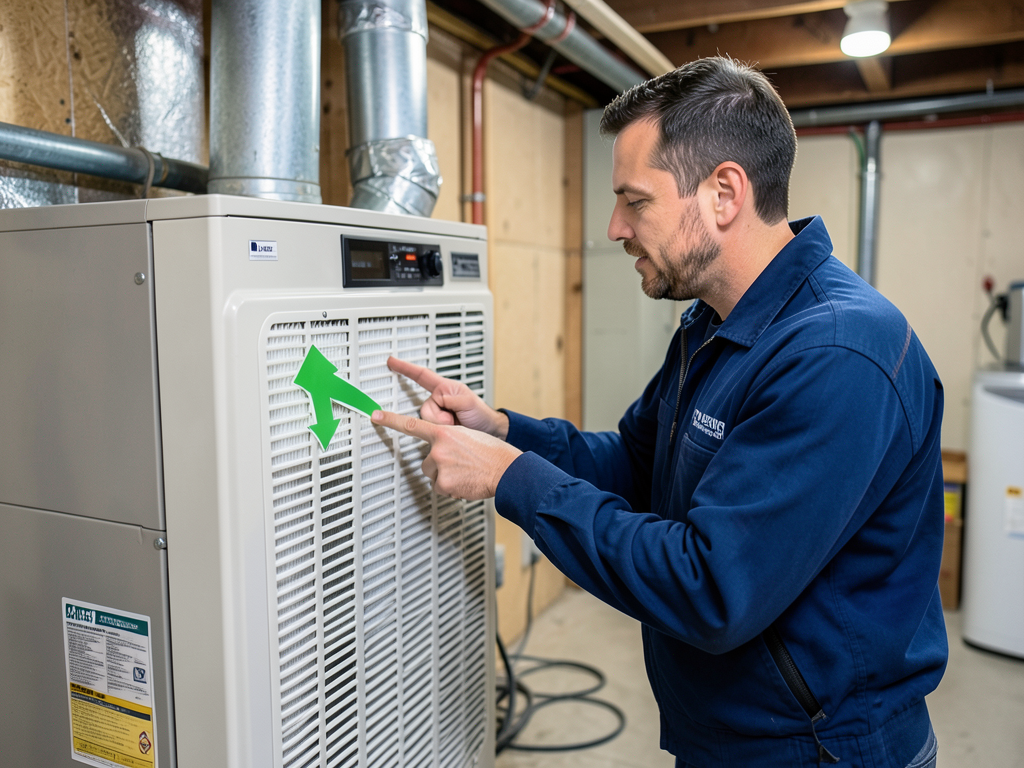
Air filters have an arrow that always points toward the furnace or air handler. In Vinita Park homes, this means the arrow should face the blower motor inside your HVAC unit. The air flows from your return vents, through the filter, and into the system where it gets heated or cooled before circulating back through your home. The Best Local Furnace Replacement Options for Kirkwood Families.
Installing the filter backward reduces efficiency and can strain your blower motor. The pleated material is designed to trap particles as air moves through it in one direction. When reversed, dust and debris can bypass the filter entirely or cause the material to collapse, reducing airflow and forcing your system to work harder.
The Golden Rule: Arrows Point Toward the Blower Motor
Air always moves from your return air ducts toward the furnace or air handler. The filter arrow must align with this airflow direction. In most Vinita Park homes, you’ll find the filter slot near the return air duct or inside the furnace cabinet itself.
Think of it like this: your HVAC system pulls air in, cleans it, and pushes it back out. The arrow shows which way the air travels through the filter. Point it toward where the air is going, not where it’s coming from.
Many Vinita Park homes have horizontal furnace installations in basements or crawl spaces. For these setups, the filter still follows the same rule – the arrow points toward the blower motor regardless of whether your unit is positioned vertically or horizontally. Top Rated AC Installation Companies Serving Ladue and Clayton.
How to Determine Airflow Direction if There Are No Labels
Sometimes the arrow wears off or the filter slot lacks clear markings. Here are three reliable methods to figure out the correct orientation: Finding a Reliable 24 Hour HVAC Technician in Chesterfield.
- Check the Old Filter
Before removing your current filter, note which way the arrow points. Take a quick photo with your phone if needed. This gives you the exact orientation for your replacement.
- Identify the Return vs Supply Sides
The return side (where air enters) typically has larger vents and feels under less pressure. The supply side pushes air out through smaller vents. The filter goes on the return side, with the arrow pointing toward the furnace.. Read more about Why Your Vents Are Making a High Pitched Whistling Sound in Bel-Nor.
- The Paper Test
Turn your system fan to “on” mode. Hold a thin sheet of paper near the filter slot. If the paper gets sucked toward the slot, that’s the return side. The arrow should point in the direction the paper moves.
Why Installing a Filter Backward is Risky for St. Louis Homeowners
Backward installation creates several problems that affect both your comfort and your wallet. When the filter faces the wrong direction, the material can collapse or bend, creating gaps where unfiltered air passes through.
This reduces your system’s efficiency by up to 15 percent according to ENERGY STAR guidelines. Your furnace or AC works harder to move the same amount of air, leading to higher energy bills from Ameren Missouri or Spire. During Vinita Park’s humid summers, this strain becomes even more noticeable as your AC struggles to keep up. ENERGY STAR guidelines.
The blower motor experiences increased static pressure when filters are installed incorrectly. Over time, this can cause the motor to overheat and fail prematurely. A replacement blower motor typically costs between $400 and $600, not including labor.
During Missouri’s extreme seasonal swings, from summer heat indexes over 100°F to winter wind chills below zero, your system needs every advantage. A properly installed filter ensures optimal airflow when you need it most.
Choosing the Right MERV Rating for Missouri Weather
The MERV rating indicates how effectively a filter captures particles. Higher numbers catch smaller particles but also restrict airflow more. For Vinita Park homes, finding the right balance matters.
| MERV Rating | Particle Size Captured | Best For | Airflow Impact |
|---|---|---|---|
| MERV 8 | Pollen, dust mites, mold spores | Basic protection, high airflow | Minimal restriction |
| MERV 11 | All MERV 8 plus pet dander, smog | Most Vinita Park homes | Moderate restriction |
| MERV 13 | All MERV 11 plus bacteria, smoke | Allergy sufferers, high pollen | Significant restriction |
Vinita Park experiences high pollen counts in spring and fall, particularly from oak and ragweed. During these seasons, MERV 11 filters provide good protection without overly restricting airflow. The Missouri Department of Conservation reports ragweed season typically runs from August through October. EPA recommendations.
Summer humidity in St. Louis County often exceeds 70 percent, creating conditions where mold spores thrive. A MERV 11 filter helps capture these spores before they circulate through your home. However, if you have pets or live near busy roads, you might benefit from MERV 13 filters despite the slight airflow reduction.
Common Signs Your Filter is Installed Backwards
Your HVAC system often tells you when something’s wrong. Here are physical indicators that your filter faces the wrong direction:
Audible whistling or whooshing sounds near the filter slot indicate air is forcing through gaps or struggling against the filter material. This happens when the filter collapses backward or air finds paths around it.
Reduced cooling or heating capacity shows up as rooms that never quite reach the set temperature. Your system runs longer cycles trying to compensate for restricted airflow. During Vinita Park’s summer heat waves, this becomes especially noticeable.
Visible dust accumulation on ceiling fan blades or furniture within days of cleaning suggests your filter isn’t capturing particles effectively. When installed backward, filters often allow dust to bypass the material entirely.
Condensate drain issues can develop when airflow restriction causes evaporator coils to freeze. You might notice water pooling around your indoor unit or reduced cooling performance.
Seasonal Filter Change Intervals for Vinita Park Homes
Missouri’s climate demands more frequent filter changes than milder regions. Vinita Park homeowners should adjust their replacement schedule based on seasonal conditions.
Spring (March-May): Change filters every 30-45 days. Oak and maple pollen counts peak during this period, and your system works harder to manage humidity as temperatures fluctuate.
Summer (June-August): Replace filters every 30 days. High humidity levels in St. Louis County mean your AC runs more frequently, and the system pulls in more airborne moisture that can clog filters faster.
Fall (September-November): Change every 45-60 days. Ragweed season extends through October, but cooling demands decrease as temperatures moderate.
Winter (December-February): Replace every 60-90 days. While heating season brings less airborne particulate, your system still requires clean filters for efficient operation during cold snaps.
Homes with pets, smokers, or recent renovations should change filters more frequently regardless of season. The EPA recommends checking filters monthly and replacing when visibly dirty.
Special Considerations for Vinita Park Home Architectures
Vinita Park features a mix of post-World War II ranch homes and newer constructions. Each presents unique HVAC configurations that affect filter installation.
Many ranch-style homes built in the 1950s and 1960s have horizontal furnaces in crawl spaces or basements. These units often use 4-inch thick media filters that slide into slots perpendicular to the airflow. The arrow always points toward the blower motor, even in these horizontal configurations.
Newer homes in the area might have high-efficiency systems with electronic air cleaners. These units sometimes use special filters that don’t have visible arrows. In these cases, consult your owner’s manual or look for labels indicating the airflow direction. Air Purification Systems.
Some Vinita Park homes have multiple return air vents. Each might have its own filter, requiring you to check and replace several filters regularly. This setup improves air circulation but means more maintenance.
Frequently Asked Questions
What happens if I put my air filter in backward?
Your HVAC system loses efficiency, energy bills increase, and the blower motor experiences strain. Dust bypasses the filter, reducing indoor air quality and potentially causing system damage over time.
How often should I change my filter in Vinita Park?
Every 30-45 days during peak seasons (spring and summer), and every 60-90 days during milder months. Homes with pets or allergies may need more frequent changes.. Read more about How to Deal with Severe Spring Pollen and Your AC Filter in the Central West End.
Does the brand of filter matter?
Quality matters more than brand. Look for filters with sturdy construction and appropriate MERV ratings for your needs. Cheap filters often collapse or allow air bypass.
Can I use a higher MERV filter for better air quality?
Yes, but ensure your system can handle the airflow restriction. Most modern systems handle MERV 11 well, but MERV 13 might require system adjustments.
Where exactly is my filter located?
Most commonly in the return air duct, furnace cabinet, or a wall-mounted return vent. Check your system manual for the specific location in your home.

Call Keystone HVAC St. Louis for Professional Help
Proper filter installation is just one aspect of maintaining your HVAC system. If you’re unsure about your filter direction or want to ensure your system runs at peak efficiency, call (314) 417-7771 today. Our NATE-certified technicians understand the specific needs of Vinita Park homes and can provide expert guidance on maintaining your system through Missouri’s challenging seasons.
Don’t wait until your system struggles during the next heat wave or cold snap. Pick up the phone and call (314) 417-7771 before small issues become costly repairs. Your comfort and peace of mind are worth a quick call to the professionals who know Vinita Park HVAC systems inside and out. Emergency AC Repair in Creve Coeur That Won’t Break the Bank.
You may also find this helpful. Why Air Scrubbers Are Becoming the Go To IAQ Solution for Manchester Families with Severe Allergies.
{
“@context”: “https://schema.org”,
“@type”: “BlogPosting”,
“headline”: “How to Tell Which Way Your Air Filter Should Point in Your Vinita Park Home”,
“description”: “Learn the correct air filter direction for your Vinita Park home with expert HVAC tips from Keystone HVAC St. Louis. Avoid costly mistakes and improve your system’s efficiency.”,
“wordCount”: 1574,
“datePublished”: “2026-05-11T15:50:00.000Z”,
“dateModified”: “2026-05-11T15:50:00.000Z”,
“inLanguage”: “en-US”,
“mainEntityOfPage”: {
“@type”: “WebPage”,
“@id”: “https://keystonehvacstlouis.com”
},
“publisher”: {
“@type”: “LocalBusiness”,
“name”: “Keystone HVAC St. Louis”,
“url”: “https://keystonehvacstlouis.com”
},
“author”: {
“@type”: “Organization”,
“name”: “Keystone HVAC St. Louis”,
“url”: “https://keystonehvacstlouis.com”
},
“image”: {
“@type”: “ImageObject”,
“url”: “https://keystonehvacstlouis.com/wp-content/uploads/2026/03/how-to-tell-which-way-your-air-filter-should-point-1.png”
}
}
{
“@context”: “https://schema.org”,
“@type”: “HVACBusiness”,
“name”: “Keystone HVAC St. Louis”,
“url”: “https://keystonehvacstlouis.com”,
“address”: {
“@type”: “PostalAddress”,
“addressLocality”: “St. Louis”
},
“areaServed”: {
“@type”: “City”,
“name”: “St. Louis”
}
}
{
“@context”: “https://schema.org”,
“@type”: “FAQPage”,
“mainEntity”: [
{
“@type”: “Question”,
“name”: “What happens if I put my air filter in backward?”,
“acceptedAnswer”: {
“@type”: “Answer”,
“text”: “Your HVAC system loses efficiency, energy bills increase, and the blower motor experiences strain. Dust bypasses the filter, reducing indoor air quality and potentially causing system damage over time.”
}
},
{
“@type”: “Question”,
“name”: “How often should I change my filter in Vinita Park?”,
“acceptedAnswer”: {
“@type”: “Answer”,
“text”: “Every 30-45 days during peak seasons (spring and summer), and every 60-90 days during milder months. Homes with pets or allergies may need more frequent changes.”
}
},
{
“@type”: “Question”,
“name”: “Does the brand of filter matter?”,
“acceptedAnswer”: {
“@type”: “Answer”,
“text”: “Quality matters more than brand. Look for filters with sturdy construction and appropriate MERV ratings for your needs. Cheap filters often collapse or allow air bypass.”
}
},
{
“@type”: “Question”,
“name”: “Can I use a higher MERV filter for better air quality?”,
“acceptedAnswer”: {
“@type”: “Answer”,
“text”: “Yes, but ensure your system can handle the airflow restriction. Most modern systems handle MERV 11 well, but MERV 13 might require system adjustments.”
}
},
{
“@type”: “Question”,
“name”: “Where exactly is my filter located?”,
“acceptedAnswer”: {
“@type”: “Answer”,
“text”: “Most commonly in the return air duct, furnace cabinet, or a wall-mounted return vent. Check your system manual for the specific location in your home.”
}
}
]
}
{
“@context”: “https://schema.org”,
“@type”: “HowTo”,
“name”: “Determining Filter Direction”,
“step”: [
{
“@type”: “HowToStep”,
“position”: 1,
“name”: “Check the Old Filter”,
“text”: “Before removing your current filter, note which way the arrow points. Take a quick photo with your phone if needed. This gives you the exact orientation for your replacement.”
},
{
“@type”: “HowToStep”,
“position”: 2,
“name”: “Identify the Return vs Supply Sides”,
“text”: “The return side (where air enters) typically has larger vents and feels under less pressure. The supply side pushes air out through smaller vents. The filter goes on the return side, with the arrow pointing toward the furnace.”
},
{
“@type”: “HowToStep”,
“position”: 3,
“name”: “The Paper Test”,
“text”: “Turn your system fan to \”on\” mode. Hold a thin sheet of paper near the filter slot. If the paper gets sucked toward the slot, that’s the return side. The arrow should point in the direction the paper moves.”
}
],
“image”: “https://keystonehvacstlouis.com/wp-content/uploads/2026/03/how-to-tell-which-way-your-air-filter-should-point-1.png”
}
{
“@context”: “https://schema.org”,
“@type”: “BreadcrumbList”,
“itemListElement”: [
{
“@type”: “ListItem”,
“position”: 1,
“name”: “Home”,
“item”: “https://keystonehvacstlouis.com”
},
{
“@type”: “ListItem”,
“position”: 2,
“name”: “Blog”,
“item”: “https://keystonehvacstlouis.com/blog”
},
{
“@type”: “ListItem”,
“position”: 3,
“name”: “How to Tell Which Way Your Air Filter Should Point in Your Vinita Park Home”
}
]
}
{
“@context”: “https://schema.org”,
“@type”: “Service”,
“serviceType”: “HVAC”,
“provider”: {
“@type”: “LocalBusiness”,
“name”: “Keystone HVAC St. Louis”,
“url”: “https://keystonehvacstlouis.com”
},
“areaServed”: {
“@type”: “City”,
“name”: “St. Louis”
},
“description”: “Learn the correct air filter direction for your Vinita Park home with expert HVAC tips from Keystone HVAC St. Louis. Avoid costly mistakes and improve your system’s efficiency.”
}