
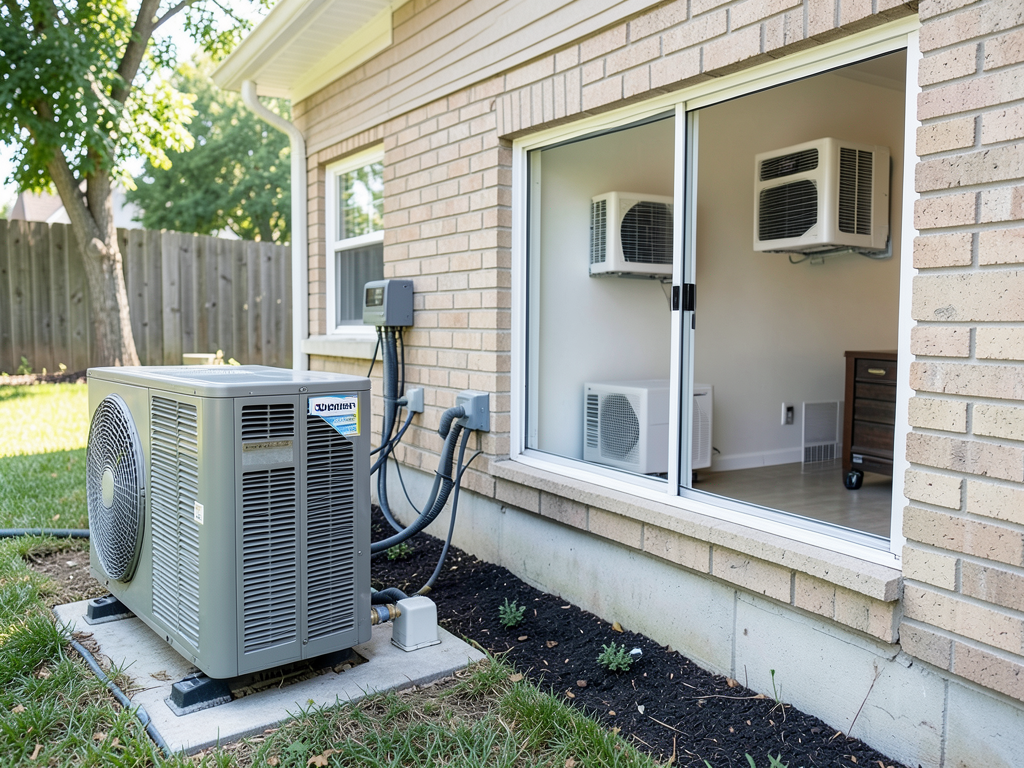
Heating and Cooling Ideas for New Backyard Cottages and ADUs in Maplewood
Building a backyard cottage or accessory dwelling unit in Maplewood means creating a comfortable energy-efficient space that can handle Missouri’s extreme weather swings. The right HVAC system keeps your ADU cozy in sub-zero winters and cool during humid 100-degree summers while meeting St. Louis County building codes and maximizing energy rebates. St. Louis County Building Code Requirements.
Whether you’re planning a guest house home office or rental unit this guide covers the most effective heating and cooling solutions specifically for Maplewood’s climate zoning requirements and utility incentives. You’ll learn which systems work best for small footprints what permits you need and how to save money through Ameren Missouri and Spire rebates. Ameren Missouri Energy Rebates.
Understanding ADU Climate Needs in Missouri
Maplewood sits in climate zone 4 where summers bring high humidity and winter temperatures can drop below zero. Standard HVAC sizing doesn’t work for small spaces like ADUs because they have different heat gain patterns and air exchange rates than full-sized homes.
Small spaces heat up and cool down faster making temperature swings more noticeable. The high humidity in St. Louis summers means your system needs strong dehumidification capabilities not just cooling. During winter heat pumps must maintain efficiency even when outdoor temperatures hit the teens.. Read more about The Best Ways to Control HVAC Costs in Your St. Louis Short Term Rental Without Annoying Your Guests.
Maplewood’s historic neighborhoods like the Maplewood Historic District have specific architectural considerations. Many ADUs are built in converted garages or as detached structures which affects how heat transfers through walls and roofs. Proper insulation and vapor barriers become critical for HVAC efficiency.
Local building codes require mechanical permits for any new HVAC installation in an ADU. St. Louis County Mechanical Code Section 401 mandates proper ventilation combustion air for gas appliances and specific duct sizing for small spaces. These requirements ensure your system operates safely and efficiently. The Best Local Furnace Replacement Options for Kirkwood Families.
Top 3 HVAC Options for St. Louis ADUs
Choosing the right system depends on your ADU’s size insulation and whether it’s attached or detached. Here are the three most effective options for Maplewood backyard cottages.
Ductless Mini-Split Systems
Ductless mini-splits offer the most flexibility for ADUs because they don’t require existing ductwork. These systems consist of an outdoor compressor and one or more indoor air handlers mounted on walls or ceilings.
For a typical 400-600 square foot ADU in Maplewood a 9000-12000 BTU mini-split handles both heating and cooling efficiently. The inverter technology adjusts compressor speed to maintain consistent temperatures while using less electricity than traditional systems. Commercial Heating Services.
Modern mini-splits achieve SEER2 ratings up to 22 qualifying for Ameren Missouri rebates of $300-500 depending on efficiency. They operate as quietly as 19 decibels making them ideal for home offices or guest quarters near property lines.
Installation takes 1-2 days and costs $3500-5500 including equipment and labor. The main consideration is proper condensate drainage especially important in Maplewood’s clay soil where water can back up if not installed correctly. Top Rated AC Installation Companies Serving Ladue and Clayton.
Air Source Heat Pumps
Air source heat pumps provide both heating and cooling in one system making them perfect for year-round ADU comfort. Cold-climate models maintain efficiency down to -15°F handling Maplewood’s occasional sub-zero nights.
These systems use existing ductwork if your ADU connects to your main house or can be installed with new ducts for detached structures. They achieve HSPF2 ratings up to 10 qualifying for Spire Energy rebates of $500-1000 for qualifying installations.
A 2-ton heat pump system costs $4500-7000 installed and includes features like variable-speed fans and smart thermostats. The system performs best when paired with proper insulation and air sealing which are especially important in older Maplewood neighborhoods where buildings may have settled.
Heat pumps require electrical service upgrades in many older homes. If your main house has a 100-amp service you might need a 200-amp upgrade to handle the additional load adding $1500-3000 to your project cost.. Read more about Comparing Propane and Electric Heating Costs for Homeowners in Rural St. Charles County.
High-Velocity HVAC Systems
High-velocity systems use small flexible ducts that fit in tight spaces making them ideal for converted garages or attic ADUs where traditional ductwork won’t fit. These systems move air at higher speeds through 2-inch ducts instead of standard 6-inch ducts.
The compact design allows installation in existing wall cavities or ceiling spaces without major renovations. A high-velocity system for a 500-square-foot ADU costs $5000-8000 installed and provides both heating and cooling through a single outdoor unit.
These systems excel at humidity control removing 30% more moisture than standard systems. This feature is crucial for Maplewood’s humid summers where excess moisture can lead to mold growth in small enclosed spaces.
High-velocity systems operate at sound levels around 45-50 decibels comparable to a normal conversation. While louder than mini-splits they distribute air more evenly throughout the space eliminating hot and cold spots common in small ADUs.
St. Louis Building Codes and Permit Requirements
Installing HVAC in your Maplewood ADU requires compliance with both St. Louis County Mechanical Code and local zoning ordinances. Understanding these requirements prevents costly delays and ensures your system operates legally.
Mechanical permits are mandatory for all new HVAC installations. The permit process includes submitting Manual J calculations that prove your system is properly sized for the space. Undersized systems won’t maintain comfort while oversized units short-cycle wasting energy and reducing humidity control.. Read more about Essential Maintenance Tips for PTAC Units in Central West End Apartments.
St. Louis County Code Section 1303.4 requires minimum ventilation rates of 0.35 air changes per hour for residential spaces. This means your ADU needs either mechanical ventilation or adequate natural ventilation through windows and doors.. Read more about The Best Ventilation Strategies for Your High End Kitchen Remodel in Shaw.
For gas-fired equipment Section 1307 mandates proper combustion air supply and venting. This is especially important in small ADUs where limited space can create dangerous conditions if not properly addressed. Electric systems avoid these requirements but may need electrical panel upgrades.
Sound regulations limit outdoor unit noise to 70 decibels at property lines. This restriction affects where you can place condensers particularly in Maplewood’s older neighborhoods with smaller lots and closer property lines.
Energy efficiency requirements align with Missouri’s building energy code which mandates minimum SEER2 ratings of 14 for cooling equipment and HSPF2 ratings of 8.2 for heat pumps. Higher efficiency systems qualify for utility rebates making them more cost-effective long-term.
Cost Analysis and Energy Rebates
Understanding the true cost of ADU HVAC includes equipment installation permits and potential electrical upgrades. Here’s what to expect for different system types in the Maplewood area.
| System Type | Equipment Cost | Installation Cost | Total Installed | Rebates Available |
|---|---|---|---|---|
| Ductless Mini-Split | $2000-3500 | $1500-2000 | $3500-5500 | $300-500 (Ameren) |
| Air Source Heat Pump | $2500-4000 | $2000-3000 | $4500-7000 | $500-1000 (Spire) |
| High-Velocity System | $3500-5000 | $1500-3000 | $5000-8000 | None typically |
Ameren Missouri offers rebates through their Energy Efficiency Program for qualifying high-efficiency equipment. Mini-splits with SEER2 ratings of 18 or higher receive $300 rebates while heat pumps with HSPF2 ratings above 9.0 qualify for $500-700 rebates.
Spire Energy provides similar incentives for gas-fired systems and heat pumps in their service area. These rebates typically require installation by participating contractors and submission of efficiency documentation within 90 days of installation.
Beyond utility rebates federal tax credits under the Energy Efficient Home Improvement Credit cover 30% of equipment costs up to $1200 for qualifying HVAC systems installed in 2026. This credit applies to both primary residences and ADUs.
Operating costs vary significantly based on system efficiency and usage patterns. A high-efficiency mini-split might cost $30-50 per month to operate during peak summer months while a standard system could cost $60-80 monthly for the same space.
Case Study: Recent ADU Install in Maplewood
A Maplewood homeowner recently converted their detached two-car garage into a 550-square-foot ADU for their aging parents. The project required careful HVAC planning due to the building’s existing structure and Maplewood’s zoning requirements.
The original garage had minimal insulation and single-pane windows creating significant heat loss in winter and heat gain in summer. Our team performed a detailed Manual J calculation showing the space needed 12000 BTU of cooling capacity and 15000 BTU of heating capacity.
We recommended a Mitsubishi ductless mini-split system with a 12000 BTU outdoor unit and two indoor air handlers. One unit serves the main living area while a smaller unit handles the bedroom allowing independent temperature control in each space.
The installation included upgrading the electrical panel from 100 to 200 amps to handle the new load adding proper condensate drainage to prevent water issues in the clay soil and installing a smart thermostat for energy monitoring.
Total project cost was $6200 including the $400 Ameren rebate we secured for the high-efficiency equipment. The homeowner reports consistent comfort year-round and monthly utility costs under $45 during peak seasons.
This project demonstrates how proper system selection and installation can transform an older structure into a comfortable efficient living space while meeting all local requirements.
Indoor Air Quality for Small Living Spaces
ADUs require special attention to indoor air quality because small spaces can accumulate pollutants quickly. Proper ventilation filtration and humidity control prevent health issues and protect your investment.
High-efficiency air filters with MERV ratings of 8-11 capture dust pollen and other airborne particles common in Maplewood’s tree-lined neighborhoods. These filters need replacement every 60-90 days in small spaces where air circulates more frequently.
Humidity control prevents mold growth and protects furnishings. Ideal indoor humidity levels range from 30-50%. In Maplewood’s humid summers systems with dehumidification modes remove excess moisture without overcooling the space.
UV light air purifiers installed in the air handler kill airborne bacteria and viruses improving air quality for elderly occupants or those with respiratory issues. These systems cost $300-500 installed and work continuously to clean the air.
Carbon monoxide detectors are mandatory for any space with gas appliances. Even electric ADUs benefit from CO detectors since they can detect other combustion byproducts from nearby sources.
Regular maintenance including coil cleaning drain line clearing and refrigerant level checks ensures your system maintains optimal air quality and efficiency throughout its lifespan. Why Professional Air Duct Cleaning is Essential for Wildwood Homes.
Electrical Service Upgrades for ADU HVAC
Many older Maplewood homes have electrical service that can’t support additional HVAC loads. Understanding your electrical capacity prevents installation delays and ensures safe operation.
Standard HVAC systems require dedicated circuits. A mini-split typically needs a 20-30 amp circuit while a heat pump might require 30-50 amps depending on size. Electric furnaces need even more power often 60-80 amps.
Homes built before 1980 often have 60-100 amp service insufficient for modern HVAC equipment. Upgrading to 200 amp service costs $1500-3000 and provides capacity for future additions like electric vehicle charging or additional appliances.
Electrical panel location affects installation complexity. Panels in basements or utility rooms require less wiring than those in detached structures potentially saving $200-500 in labor costs.
Smart thermostats can reduce electrical load by optimizing system operation. These devices learn your schedule and adjust temperatures automatically potentially saving 10-15% on energy costs while extending equipment life.
Grounding and surge protection protect your investment from electrical issues common in older neighborhoods with aging infrastructure. Whole-home surge protectors cost $200-400 installed and prevent damage from power surges.
Sound Considerations for ADU HVAC
Noise levels matter in backyard cottages where outdoor units might be near property lines or bedroom windows. Understanding decibel ratings helps you choose systems that won’t disturb you or your neighbors.
Ductless mini-splits operate as quietly as 19 decibels indoors quieter than a whisper. Outdoor units range from 50-60 decibels comparable to normal conversation. This makes them ideal for ADUs near property lines or in quiet neighborhoods.
Traditional split systems produce 55-70 decibels outdoors potentially causing issues in Maplewood’s older neighborhoods where houses sit closer together. Sound barriers or strategic placement behind fences can reduce noise transmission.
Indoor sound levels affect comfort in small spaces. Systems with variable-speed fans operate more quietly than single-speed units because they don’t cycle on and off as frequently maintaining consistent temperatures without sudden noise changes.
Proper installation includes vibration isolation mounts that prevent equipment noise from transferring through walls and floors. This step costs $50-100 but significantly improves sound quality in small living spaces.
Night setback features automatically adjust temperatures and fan speeds during sleeping hours reducing both energy use and noise levels when you’re most sensitive to sound.
Maintenance Requirements for ADU HVAC
Small HVAC systems need regular maintenance to maintain efficiency and prevent costly repairs. ADUs often have different usage patterns than primary residences affecting maintenance schedules. Emergency AC Repair in Creve Coeur That Won’t Break the Bank.
Filter replacement every 30-60 days keeps air flowing properly and prevents strain on the system. Small spaces accumulate dust faster because air circulates more frequently through the same volume of space.
Outdoor units need annual cleaning to remove leaves grass clippings and debris that can block airflow. Maplewood’s mature trees drop leaves and seeds that can clog condenser coils if not regularly cleared.
Condensate drain lines should be flushed annually to prevent algae growth and water backups. This is especially important in ADUs where drain lines might be longer or have more bends than in primary residences.
Refrigerant level checks every two years ensure your system maintains optimal efficiency. Low refrigerant levels force the compressor to work harder increasing energy costs and potentially causing premature failure.
Thermostat calibration ensures your system maintains accurate temperatures. Small spaces are more sensitive to temperature variations making precise control important for comfort.
Future-Proofing Your ADU HVAC Investment
Technology advances rapidly and your HVAC system should accommodate future changes. Planning for upgrades and smart home integration protects your investment long-term.
Oversizing your electrical service by 20-30% provides capacity for future additions like air purifiers humidifiers or smart home integration without requiring costly rewiring later.
Choosing systems with Wi-Fi connectivity allows remote monitoring and control through smartphone apps. This feature proves valuable for rental ADUs where you might need to adjust temperatures between guests or troubleshoot issues remotely.
Energy monitoring capabilities track system performance and identify efficiency problems early. Many modern systems include this feature helping you optimize operation and catch issues before they become expensive repairs.
Considering zoning capabilities allows independent temperature control in different areas. This feature proves valuable as your ADU’s use changes over time whether for guests home office or rental purposes.
Selecting equipment from manufacturers with strong warranty programs and local service networks ensures you’ll have support if issues arise. This consideration becomes crucial for ADUs that might sit vacant for periods.
Making the Right Choice for Your Maplewood ADU
The best HVAC system for your backyard cottage depends on your specific needs budget and property characteristics. Consider these factors when making your final decision.
Space constraints favor ductless mini-splits or high-velocity systems that don’t require major renovations. If you have existing ductwork or plan to connect to your main house a traditional split system might prove more cost-effective.
Climate considerations matter in Maplewood’s extreme weather. Cold-climate heat pumps handle winter temperatures better than standard models while systems with strong dehumidification capabilities manage summer humidity effectively.
Budget constraints affect both upfront costs and long-term operating expenses. Higher-efficiency systems cost more initially but often pay for themselves through lower utility bills and available rebates.
Future plans influence your choice. If you might rent your ADU prioritize reliability and low maintenance. For personal use comfort features and quiet operation might matter more.
Professional load calculations prevent costly mistakes. A system that’s too small won’t maintain comfort while one that’s too large wastes energy and money. Always get a Manual J calculation before making your final decision.
Local expertise matters for navigating permits understanding zoning requirements and ensuring proper installation. Choose contractors familiar with Maplewood’s specific building codes and climate challenges.
Frequently Asked Questions
What size HVAC system do I need for a 500-square-foot ADU?
A 500-square-foot ADU typically needs 9000-12000 BTU of cooling capacity and 12000-15000 BTU of heating capacity. The exact size depends on insulation levels window area and local climate conditions. Always get a professional Manual J calculation for accurate sizing.
Do I need a permit to install HVAC in my backyard cottage?
Yes St. Louis County requires mechanical permits for all new HVAC installations. The permit process includes submitting load calculations and ensuring compliance with local building codes. Working without permits can result in fines and complications when selling your property.
How much do utility rebates reduce HVAC costs in Maplewood?
Utility rebates typically reduce costs by $300-1000 depending on the system type and efficiency rating. Ameren Missouri offers $300-500 for high-efficiency mini-splits while Spire Energy provides $500-1000 for qualifying heat pumps. These rebates require installation by participating contractors.
Can I install HVAC myself in my ADU to save money?
DIY HVAC installation is not recommended and often violates local codes. Professional installation ensures proper sizing safe operation and warranty protection. Improper installation can cause safety hazards void warranties and lead to expensive repairs. Most manufacturers require professional installation for warranty coverage.
How long does HVAC installation take for a backyard cottage?
Most ADU HVAC installations take 1-3 days depending on the system type. Mini-splits typically install in 1-2 days while systems requiring new ductwork or electrical upgrades might take 2-3 days. Permit processing adds 1-2 weeks to the overall timeline.
What maintenance does ADU HVAC require?
ADU HVAC needs filter replacement every 30-60 days annual professional maintenance and regular cleaning of outdoor units. Small spaces accumulate dust faster requiring more frequent filter changes than in larger homes. Annual maintenance includes coil cleaning refrigerant checks and system testing.
Ready to make your backyard cottage comfortable year-round? Call (314) 417-7771 today to schedule your free consultation. Our Maplewood HVAC experts will assess your space explain your options and help you choose the perfect system for your needs and budget.
Don’t wait until summer heat or winter cold makes your ADU uncomfortable. Pick up the phone and call (314) 417-7771 before the next storm hits. We’ll ensure your backyard cottage stays cozy no matter what Missouri weather brings.
Keystone HVAC St. Louis has served the Maplewood community for over 15 years providing expert HVAC solutions for homes and ADUs throughout the area. Our NATE-certified technicians understand local building codes climate challenges and the specific needs of small living spaces.
{
“@context”: “https://schema.org”,
“@type”: “BlogPosting”,
“headline”: “Heating and Cooling Ideas for New Backyard Cottages and ADUs in Maplewood”,
“description”: “Expert HVAC solutions for Maplewood backyard cottages and ADUs. Learn about mini-splits, heat pumps, permits, rebates, and local building codes for Missouri’s climate.”,
“wordCount”: 3019,
“datePublished”: “2026-05-09T07:11:00.000Z”,
“dateModified”: “2026-05-09T07:11:00.000Z”,
“inLanguage”: “en-US”,
“mainEntityOfPage”: {
“@type”: “WebPage”,
“@id”: “https://keystonehvacstlouis.com”
},
“publisher”: {
“@type”: “LocalBusiness”,
“name”: “Keystone HVAC St. Louis”,
“url”: “https://keystonehvacstlouis.com”
},
“author”: {
“@type”: “Organization”,
“name”: “Keystone HVAC St. Louis”,
“url”: “https://keystonehvacstlouis.com”
},
“image”: {
“@type”: “ImageObject”,
“url”: “https://keystonehvacstlouis.com/wp-content/uploads/2026/03/heating-and-cooling-ideas-for-new-backyard-cottage-1.png”
}
}
{
“@context”: “https://schema.org”,
“@type”: “HVACBusiness”,
“name”: “Keystone HVAC St. Louis”,
“url”: “https://keystonehvacstlouis.com”,
“address”: {
“@type”: “PostalAddress”,
“addressLocality”: “St. Louis”
},
“areaServed”: {
“@type”: “City”,
“name”: “St. Louis”
}
}
{
“@context”: “https://schema.org”,
“@type”: “FAQPage”,
“mainEntity”: [
{
“@type”: “Question”,
“name”: “What size HVAC system do I need for a 500-square-foot ADU?”,
“acceptedAnswer”: {
“@type”: “Answer”,
“text”: “A 500-square-foot ADU typically needs 9000-12000 BTU of cooling capacity and 12000-15000 BTU of heating capacity. The exact size depends on insulation levels window area and local climate conditions. Always get a professional Manual J calculation for accurate sizing.”
}
},
{
“@type”: “Question”,
“name”: “Do I need a permit to install HVAC in my backyard cottage?”,
“acceptedAnswer”: {
“@type”: “Answer”,
“text”: “Yes St. Louis County requires mechanical permits for all new HVAC installations. The permit process includes submitting load calculations and ensuring compliance with local building codes. Working without permits can result in fines and complications when selling your property.”
}
},
{
“@type”: “Question”,
“name”: “How much do utility rebates reduce HVAC costs in Maplewood?”,
“acceptedAnswer”: {
“@type”: “Answer”,
“text”: “Utility rebates typically reduce costs by $300-1000 depending on the system type and efficiency rating. Ameren Missouri offers $300-500 for high-efficiency mini-splits while Spire Energy provides $500-1000 for qualifying heat pumps. These rebates require installation by participating contractors.”
}
},
{
“@type”: “Question”,
“name”: “Can I install HVAC myself in my ADU to save money?”,
“acceptedAnswer”: {
“@type”: “Answer”,
“text”: “DIY HVAC installation is not recommended and often violates local codes. Professional installation ensures proper sizing safe operation and warranty protection. Improper installation can cause safety hazards void warranties and lead to expensive repairs. Most manufacturers require professional installation for warranty coverage.”
}
},
{
“@type”: “Question”,
“name”: “How long does HVAC installation take for a backyard cottage?”,
“acceptedAnswer”: {
“@type”: “Answer”,
“text”: “Most ADU HVAC installations take 1-3 days depending on the system type. Mini-splits typically install in 1-2 days while systems requiring new ductwork or electrical upgrades might take 2-3 days. Permit processing adds 1-2 weeks to the overall timeline.”
}
},
{
“@type”: “Question”,
“name”: “What maintenance does ADU HVAC require?”,
“acceptedAnswer”: {
“@type”: “Answer”,
“text”: “ADU HVAC needs filter replacement every 30-60 days annual professional maintenance and regular cleaning of outdoor units. Small spaces accumulate dust faster requiring more frequent filter changes than in larger homes. Annual maintenance includes coil cleaning refrigerant checks and system testing.”
}
}
]
}
{
“@context”: “https://schema.org”,
“@type”: “BreadcrumbList”,
“itemListElement”: [
{
“@type”: “ListItem”,
“position”: 1,
“name”: “Home”,
“item”: “https://keystonehvacstlouis.com”
},
{
“@type”: “ListItem”,
“position”: 2,
“name”: “Blog”,
“item”: “https://keystonehvacstlouis.com/blog”
},
{
“@type”: “ListItem”,
“position”: 3,
“name”: “Heating and Cooling Ideas for New Backyard Cottages and ADUs in Maplewood”
}
]
}
{
“@context”: “https://schema.org”,
“@type”: “Service”,
“serviceType”: “HVAC”,
“provider”: {
“@type”: “LocalBusiness”,
“name”: “Keystone HVAC St. Louis”,
“url”: “https://keystonehvacstlouis.com”
},
“areaServed”: {
“@type”: “City”,
“name”: “St. Louis”
},
“description”: “Expert HVAC solutions for Maplewood backyard cottages and ADUs. Learn about mini-splits, heat pumps, permits, rebates, and local building codes for Missouri’s climate.”
}