
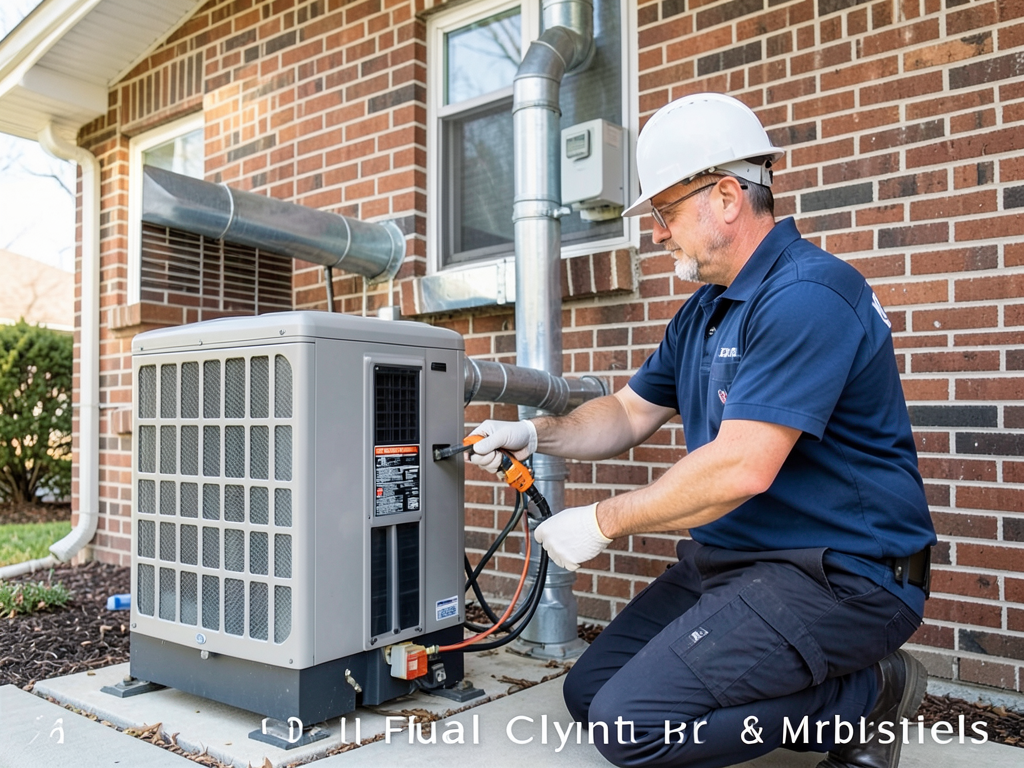
The St. Louis Heating Dilemma: Gas or Electric in Missouri’s Extreme Climate
Choosing between a gas furnace and an electric heat pump in St. Louis means weighing more than just upfront costs. Our Zone 4 climate swings from sub-zero polar vortexes to humid 90-degree summers. This creates unique challenges that affect efficiency, reliability, and operating costs differently than other regions. The Best Local Furnace Replacement Options for Kirkwood Families.
Gas furnaces deliver consistent heat regardless of outdoor temperature. Heat pumps extract warmth from outside air and become less efficient as temperatures drop. In St. Louis, where winter lows can reach -5°F during Arctic blasts, this efficiency drop becomes critical. The question isn’t which system is better overall. It’s which system handles our specific weather patterns while keeping utility bills manageable.
Before making a decision, consider your home’s age, ductwork condition, and local utility rates. Older homes in neighborhoods like Clayton and Webster Groves often have narrow or non-existent ductwork that complicates heat pump installation. Meanwhile, newer constructions in Chesterfield and Ballwin typically accommodate either system more easily. Top Rated AC Installation Companies Serving Ladue and Clayton.
Call (314) 417-7771 today to schedule your inspection and get a customized recommendation for your St. Louis home.
Direct Comparison: Heat Pumps vs. Gas Furnaces
| Feature | Gas Furnace | Electric Heat Pump |
|---|---|---|
| Initial Cost | $3,500 – $7,500 | $4,500 – $12,000 |
| Lifespan | 15-20 years | 10-15 years |
| Energy Source | Natural gas | Electricity |
| Cooling Capability | No | Yes (reversible) |
| Efficiency in Sub-Freezing Temps | 100% consistent | Drops below 40°F |
Performance in St. Louis Winters
Heat pumps work by transferring heat rather than generating it. In mild weather, they move three units of heat for every unit of electricity consumed. This coefficient of performance (COP) makes them incredibly efficient. However, as outdoor temperatures approach freezing, the available heat in the air decreases. Modern cold-climate heat pumps maintain efficiency down to about 25°F. Below that point, they rely on auxiliary electric resistance heat strips that cost significantly more to operate.. Read more about What Homeowners in The Hill Should Know About Sizing a New Furnace.
During St. Louis’s typical winter, outdoor temperatures fall below 25°F for approximately 30-40 days. On these days, a heat pump’s efficiency drops dramatically. A gas furnace maintains its 80-95% efficiency regardless of outdoor temperature. This reliability becomes crucial during extended cold snaps when heat strips would dramatically increase electric bills.
The Missouri climate also brings humidity challenges. Heat pumps naturally dehumidify air during cooling mode, which helps manage our summer humidity levels. Gas furnaces require separate dehumidification systems to achieve similar comfort levels.
The Hybrid Solution: Dual Fuel Systems
Dual fuel systems combine the best of both worlds. A heat pump handles heating and cooling for most of the year. When temperatures drop below a set point, typically 35-40°F, the system automatically switches to a gas furnace backup. This eliminates the efficiency drop-off problem while maintaining year-round cooling capability.
Modern dual fuel controls use sophisticated algorithms that consider outdoor temperature, humidity, and even utility rate structures. They switch between gas and electric based on whichever costs less to operate at that moment. For St. Louis homeowners, this often means using the heat pump during mild fall and spring weather, then switching to gas when winter arrives.
Installation requires compatible equipment and proper controls. The outdoor unit must be sized appropriately for both heating and cooling loads. Indoor components need to communicate seamlessly. This complexity makes professional installation essential for optimal performance. Why Professional Air Duct Cleaning is Essential for Wildwood Homes.
Local Operating Costs & Rebates
St. Louis utility rates significantly impact heating system economics. As of 2026, Spire Energy natural gas rates average $0.92 per therm. Ameren Missouri electric rates average $0.13 per kilowatt-hour. A high-efficiency gas furnace typically costs $15-25 per million BTUs to operate. An electric heat pump costs $10-15 per million BTUs in mild weather but jumps to $25-35 when using auxiliary heat strips. Ameren Missouri Heat Pump Rebates.
The Inflation Reduction Act provides federal tax credits covering 30% of heat pump installation costs up to $2,000. Ameren Missouri offers additional rebates of $300-500 for qualifying heat pump installations. Spire Energy provides rebates for high-efficiency gas furnaces and smart thermostats that optimize system performance. Spire Energy Efficiency Programs.
Local utility programs change frequently. Ameren’s Smart Energy Plan offers time-of-use rates that can reduce heat pump operating costs by 15-20% if you shift energy usage to off-peak hours. These programs require smart thermostats and willingness to adjust comfort settings during peak pricing periods.. Read more about A Guide to Spire and Ameren Rebates for New HVAC Systems in 2026.
Call (314) 417-7771 to learn about current rebates and calculate your specific operating costs.
Installation Considerations for STL Homes
St. Louis’s housing stock presents unique installation challenges. Historic districts in Clayton and Webster Groves restrict outdoor unit placement and require approval for any exterior modifications. Many homes built before 1950 lack adequate ductwork for modern forced-air systems. Installing heat pumps in these homes often requires extensive duct modifications or mini-split systems.
Clay soil conditions affect outdoor unit stability. Heavy clay expands when wet and contracts when dry, causing concrete pads to shift. This movement can stress refrigerant lines and electrical connections. Proper pad installation with expansion joints becomes critical for long-term reliability.
High water table areas near the Mississippi and Missouri rivers create additional challenges. Basement installations require careful consideration of flood risks and moisture management. Condensate drains must handle both normal operation and potential backup conditions.
Modern heat pumps use variable-speed compressors that adjust output based on demand. These systems provide better humidity control and more consistent temperatures than single-stage equipment. However, they require compatible thermostats and proper ductwork design to realize their full efficiency potential.
Making the Right Choice for Your St. Louis Home
The decision between gas and electric heating depends on your specific circumstances. Consider these factors:
- Home age and existing ductwork condition
- Local utility rates and available rebates
- Willingness to use auxiliary heat during extreme cold
- Desire for cooling capability
- Long-term energy cost projections
For most St. Louis homeowners, a dual fuel system provides the best balance of efficiency, reliability, and comfort. It handles our extreme temperature swings while offering year-round cooling. The system automatically optimizes for whichever fuel source costs less to operate at any given time.
Single fuel systems make sense in specific situations. Gas furnaces excel in homes without ductwork or where cooling isn’t needed. Heat pumps work well in newer homes with good insulation and when combined with backup heat sources for extreme cold.
Professional assessment remains essential. Every home has unique characteristics that affect system performance. Factors like insulation levels, window quality, and even landscaping can significantly impact heating and cooling loads.
Frequently Asked Questions
Do heat pumps work in St. Louis winters?
Yes, modern cold-climate heat pumps work effectively down to about 25°F. Below that temperature, they switch to auxiliary electric heat strips. For extreme cold snaps, a gas furnace backup provides more reliable and cost-effective heating. Finding a Reliable 24 Hour HVAC Technician in Chesterfield.
How much can I save with a heat pump vs gas furnace?
Savings vary based on utility rates and weather patterns. Heat pumps typically cost 30-50% less to operate than electric resistance heat. Compared to gas furnaces, savings depend on local gas vs electric rates. In St. Louis, heat pumps often cost less to operate during mild weather but more during extreme cold when using auxiliary heat.
What rebates are available for heat pumps in St. Louis?
Federal tax credits cover 30% of installation costs up to $2,000 through the Inflation Reduction Act. Ameren Missouri offers $300-500 rebates for qualifying heat pump installations. Spire Energy provides rebates for high-efficiency equipment and smart thermostats. Local incentives change frequently, so check current programs before purchasing.
How long do heat pumps last in Missouri’s climate?
Heat pumps typically last 10-15 years in Missouri. The constant year-round operation and humidity exposure can reduce lifespan compared to furnaces that only operate seasonally. Regular maintenance, including coil cleaning and refrigerant level checks, helps maximize system longevity.
Can I install a heat pump in my older St. Louis home?
Yes, but installation may require modifications. Many historic homes lack adequate ductwork for modern forced-air systems. Options include mini-split systems that don’t require ducts, extensive duct modifications, or hybrid systems that work with existing radiators or baseboard heating.
Ready to Upgrade Your Home’s Heating System?
Don’t let another Missouri winter catch you unprepared. Whether you need emergency repairs or are planning a system upgrade, professional guidance ensures you make the right choice for your home and budget. Our technicians understand the unique challenges of St. Louis’s climate and housing stock. Emergency AC Repair in Creve Coeur That Won’t Break the Bank.
Call (314) 417-7771 today to schedule your comprehensive heating assessment. We’ll evaluate your home’s specific needs, explain all available options, and help you qualify for maximum rebates and incentives. Don’t wait until the next cold snap leaves you shivering or facing emergency repair costs.. Read more about Why Your Arnold Workshop Needs a Dedicated Garage Heater.
Pick up the phone and call (314) 417-7771 before the next storm hits. Your comfort and peace of mind are worth the call.
You may also find this helpful. Five Warning Signs Your Oakville Air Conditioner is on Its Last Legs.
{
“@context”: “https://schema.org”,
“@type”: “BlogPosting”,
“headline”: “Comparing Gas Furnaces and Electric Heat Pumps for the St. Louis Climate”,
“description”: “Discover which heating system wins in St. Louis winters. Compare gas furnaces vs. heat pumps with local utility rates, rebates, and hybrid solutions for Missouri’s extreme weather.”,
“wordCount”: 1498,
“datePublished”: “2026-03-12T12:30:00.000Z”,
“dateModified”: “2026-03-12T12:30:00.000Z”,
“inLanguage”: “en-US”,
“mainEntityOfPage”: {
“@type”: “WebPage”,
“@id”: “https://keystonehvacstlouis.com”
},
“publisher”: {
“@type”: “LocalBusiness”,
“name”: “Keystone HVAC St. Louis”,
“url”: “https://keystonehvacstlouis.com”
},
“author”: {
“@type”: “Organization”,
“name”: “Keystone HVAC St. Louis”,
“url”: “https://keystonehvacstlouis.com”
},
“image”: {
“@type”: “ImageObject”,
“url”: “https://keystonehvacstlouis.com/wp-content/uploads/2026/03/comparing-gas-furnaces-and-electric-heat-pumps-for-1.png”
}
}
{
“@context”: “https://schema.org”,
“@type”: “HVACBusiness”,
“name”: “Keystone HVAC St. Louis”,
“url”: “https://keystonehvacstlouis.com”,
“address”: {
“@type”: “PostalAddress”,
“addressLocality”: “St. Louis”
},
“areaServed”: {
“@type”: “City”,
“name”: “St. Louis”
}
}
{
“@context”: “https://schema.org”,
“@type”: “FAQPage”,
“mainEntity”: [
{
“@type”: “Question”,
“name”: “Do heat pumps work in St. Louis winters?”,
“acceptedAnswer”: {
“@type”: “Answer”,
“text”: “Yes, modern cold-climate heat pumps work effectively down to about 25°F. Below that temperature, they switch to auxiliary electric heat strips. For extreme cold snaps, a gas furnace backup provides more reliable and cost-effective heating. Finding a Reliable 24 Hour HVAC Technician in Chesterfield.”
}
},
{
“@type”: “Question”,
“name”: “How much can I save with a heat pump vs gas furnace?”,
“acceptedAnswer”: {
“@type”: “Answer”,
“text”: “Savings vary based on utility rates and weather patterns. Heat pumps typically cost 30-50% less to operate than electric resistance heat. Compared to gas furnaces, savings depend on local gas vs electric rates. In St. Louis, heat pumps often cost less to operate during mild weather but more during extreme cold when using auxiliary heat.”
}
},
{
“@type”: “Question”,
“name”: “What rebates are available for heat pumps in St. Louis?”,
“acceptedAnswer”: {
“@type”: “Answer”,
“text”: “Federal tax credits cover 30% of installation costs up to $2,000 through the Inflation Reduction Act. Ameren Missouri offers $300-500 rebates for qualifying heat pump installations. Spire Energy provides rebates for high-efficiency equipment and smart thermostats. Local incentives change frequently, so check current programs before purchasing.”
}
},
{
“@type”: “Question”,
“name”: “How long do heat pumps last in Missouri’s climate?”,
“acceptedAnswer”: {
“@type”: “Answer”,
“text”: “Heat pumps typically last 10-15 years in Missouri. The constant year-round operation and humidity exposure can reduce lifespan compared to furnaces that only operate seasonally. Regular maintenance, including coil cleaning and refrigerant level checks, helps maximize system longevity.”
}
},
{
“@type”: “Question”,
“name”: “Can I install a heat pump in my older St. Louis home?”,
“acceptedAnswer”: {
“@type”: “Answer”,
“text”: “Yes, but installation may require modifications. Many historic homes lack adequate ductwork for modern forced-air systems. Options include mini-split systems that don’t require ducts, extensive duct modifications, or hybrid systems that work with existing radiators or baseboard heating.”
}
},
{
“@type”: “Question”,
“name”: “Ready to Upgrade Your Home’s Heating System?”,
“acceptedAnswer”: {
“@type”: “Answer”,
“text”: “Don’t let another Missouri winter catch you unprepared. Whether you need emergency repairs or are planning a system upgrade, professional guidance ensures you make the right choice for your home and budget. Our technicians understand the unique challenges of St. Louis’s climate and housing stock. Emergency AC Repair in Creve Coeur That Won’t Break the Bank.”
}
}
]
}
{
“@context”: “https://schema.org”,
“@type”: “BreadcrumbList”,
“itemListElement”: [
{
“@type”: “ListItem”,
“position”: 1,
“name”: “Home”,
“item”: “https://keystonehvacstlouis.com”
},
{
“@type”: “ListItem”,
“position”: 2,
“name”: “Blog”,
“item”: “https://keystonehvacstlouis.com/blog”
},
{
“@type”: “ListItem”,
“position”: 3,
“name”: “Comparing Gas Furnaces and Electric Heat Pumps for the St. Louis Climate”
}
]
}
{
“@context”: “https://schema.org”,
“@type”: “Service”,
“serviceType”: “HVAC”,
“provider”: {
“@type”: “LocalBusiness”,
“name”: “Keystone HVAC St. Louis”,
“url”: “https://keystonehvacstlouis.com”
},
“areaServed”: {
“@type”: “City”,
“name”: “St. Louis”
},
“description”: “Discover which heating system wins in St. Louis winters. Compare gas furnaces vs. heat pumps with local utility rates, rebates, and hybrid solutions for Missouri’s extreme weather.”
}