
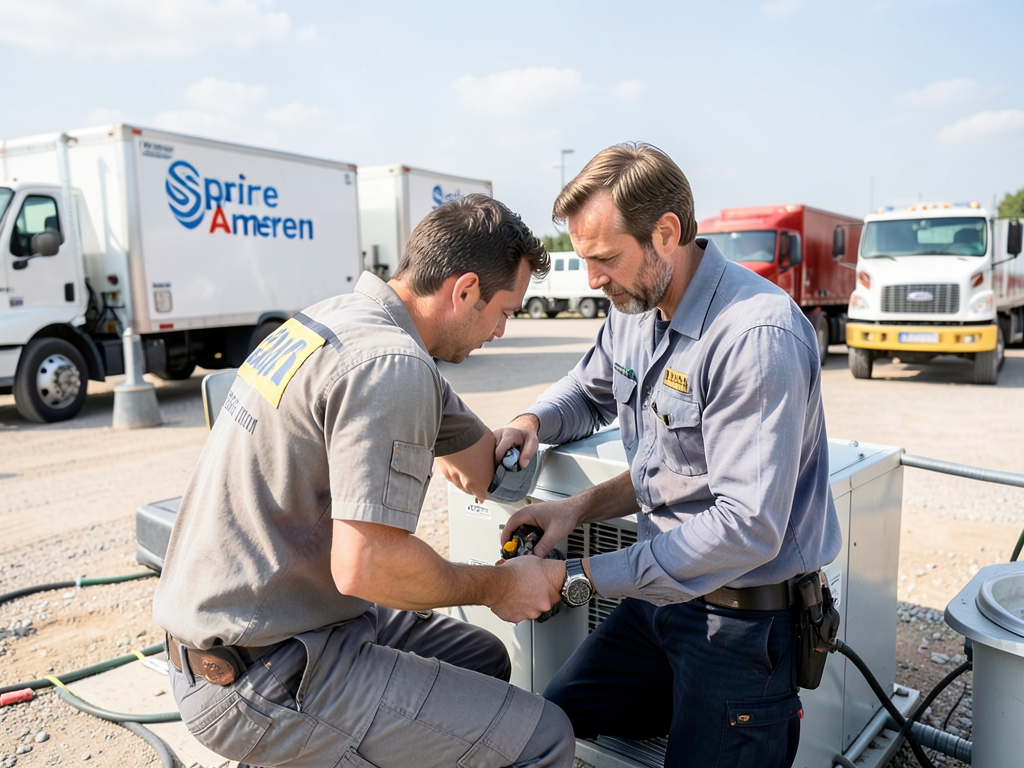
St. Louis homeowners planning HVAC upgrades in 2026 face a complex landscape of utility rebates and federal tax credits. Understanding how Spire Energy and Ameren Missouri rebates work alongside the Inflation Reduction Act can save you thousands on new heating and cooling systems. This guide breaks down exactly what’s available in 2026 and how to qualify. Ameren Missouri Rebate Programs.
The first thing to know is that 2026 brings updated energy efficiency standards. Both Spire and Ameren now require equipment to meet SEER2 and HSPF2 ratings for rebate eligibility. These new metrics measure seasonal efficiency more accurately than previous standards. If your contractor quotes you equipment from 2024 or earlier, it likely won’t qualify for the best rebates.
Federal tax credits through the Inflation Reduction Act remain available in 2026. Homeowners can claim up to $2,000 for qualifying heat pumps and $600 for central air conditioners or furnaces. These credits apply to your federal taxes when you file next year. Unlike utility rebates which pay you upfront, tax credits reduce what you owe the IRS.
Ameren Missouri FastTrack Program 2026
Ameren Missouri continues its FastTrack rebate program in 2026 with specific dollar amounts for high-efficiency equipment. For heat pumps, Ameren offers up to $500 for systems meeting minimum SEER2 requirements. The program specifically targets homes in the Ameren Missouri service territory, which covers most of eastern Missouri including St. Louis County.
To qualify for Ameren rebates in 2026, your heat pump must achieve at least 15 SEER2 and 8.5 HSPF2. The rebate application requires your contractor to submit proof of installation and efficiency ratings. Ameren processes most applications within 4-6 weeks of submission.
Spire Missouri High-Efficiency Rebates
Spire Energy serves natural gas customers in St. Louis and offers different rebate structures than Ameren. In 2026, Spire provides rebates for high-efficiency gas furnaces and hybrid heating systems. The key difference is Spire focuses on customers who use natural gas as their primary fuel source. Spire Energy Rebate Information.
Spire’s 2026 furnace rebates range from $250 to $400 depending on efficiency ratings. To qualify, furnaces must achieve at least 95% AFUE. Spire also offers additional incentives for customers who install smart thermostats with their new systems.
The Spire service territory overlaps significantly with Ameren in St. Louis County, creating opportunities for customers to stack rebates. If your home has both gas and electric service, you might qualify for rebates from both utilities depending on your equipment choices.. Read more about Is a Dual Fuel Hybrid System the Best Choice for Your Eureka Home?.
Qualifying Equipment Standards for 2026
2026 brings stricter efficiency requirements across all rebate programs. The Department of Energy raised minimum standards effective January 1, 2023, with full implementation in 2026. This means equipment that qualified for rebates in 2023 may no longer meet current standards.
For air conditioners, the minimum SEER2 rating increased from 13 to 14 in most regions. Heat pumps now require minimum HSPF2 ratings of 8.5 in northern zones. These changes affect both rebate eligibility and overall system performance in Missouri’s climate.
Missouri’s humid continental climate creates specific challenges. Systems must handle both extreme summer heat and winter cold. This is why heat pumps with proper backup systems often perform better than straight electric or gas systems alone in St. Louis.
Stacking Spire and Ameren Rebates
Many St. Louis homeowners don’t realize they can potentially combine utility rebates with federal tax credits. The key is understanding which programs allow stacking and which require exclusive participation. In 2026, both Spire and Ameren allow customers to also claim federal tax credits.
Here’s how stacking works: If you install a qualifying heat pump, you might receive a $500 Ameren rebate, a $400 Spire rebate (if you have gas service), and claim a $2,000 federal tax credit. That’s $2,900 in total incentives for one system.
However, some programs have exclusivity clauses. Always check the fine print before assuming you can stack every available incentive. Your HVAC contractor should help navigate these requirements.
Eligibility Checklist for St. Louis Homeowners
Before investing in new HVAC equipment, verify you meet all eligibility requirements. Start by confirming your utility provider. Ameren serves electric customers while Spire serves natural gas customers. Some homes have both services.
Property type matters for rebate eligibility. Single-family homes typically qualify for the most incentives. Multi-family buildings may have different requirements. Rental properties sometimes face additional restrictions depending on the program.
Income-based programs exist but have specific thresholds. The High-Efficiency Electric Home Rebate Act (HEEHRA) provides point-of-sale discounts for low-income households. In 2026, Missouri households earning less than 80% of area median income might qualify for enhanced rebates.
How to Claim Your Rebates in 2026
The rebate claiming process starts with selecting the right contractor. Your HVAC company must be registered with both Spire and Ameren rebate programs. They’ll handle most of the paperwork but you need to provide documentation like proof of income for certain programs.
Step one involves choosing qualifying equipment. Your contractor should provide efficiency ratings and confirm which rebates apply. Don’t sign contracts until you understand exactly what incentives you’ll receive.
Step two requires proper installation by a licensed professional. Both Spire and Ameren require proof of professional installation for rebate eligibility. DIY installations automatically disqualify you from all utility programs. Why Professional Air Duct Cleaning is Essential for Wildwood Homes.
Step three involves submitting applications. Your contractor typically submits utility rebate applications within 30 days of installation. Federal tax credits require you to keep receipts and file IRS Form 5695 with your tax return. Top Rated AC Installation Companies Serving Ladue and Clayton.
2026 vs 2025 Rebate Comparison
Understanding how 2026 rebates compare to previous years helps with budgeting. The table below shows key changes between 2025 and 2026 programs.
| Program | 2025 Rebate | 2026 Rebate | Change |
|---|---|---|---|
| Ameren Heat Pump | $400 | $500 | +$100 |
| Spire Furnace | $300 | $400 | +$100 |
| Federal Tax Credit | $2,000 | $2,000 | No change |
| SEER2 Minimum | 14 | 15 | +1 |
The 2026 changes reflect both increased funding and stricter efficiency requirements. While rebate amounts increased slightly, the higher equipment standards mean some homeowners may need to invest more upfront to qualify.
Common Mistakes to Avoid
Many homeowners lose out on rebates by making simple mistakes. The most common error is assuming all contractors understand rebate programs. Some HVAC companies don’t participate in utility rebate programs, leaving you to handle complex applications yourself.
Another frequent mistake involves timing. Rebate programs often have limited funding that runs out during peak seasons. Starting your project in spring or fall when demand is lower increases your chances of securing maximum incentives.
Equipment selection mistakes also cost homeowners money. Choosing a system that barely meets minimum requirements might save money initially but could disqualify you from certain rebates or result in higher energy bills.
Special Considerations for Historic St. Louis Homes
St. Louis features many historic neighborhoods with unique HVAC challenges. Homes in areas like Lafayette Square or Soulard often have narrow ductwork or lack central air entirely. These architectural constraints affect both equipment choices and rebate eligibility.
Historic district regulations sometimes restrict outdoor unit placement. Before selecting equipment, verify that your chosen system complies with local historic preservation guidelines. Some rebate programs won’t pay if the installation violates local codes. The Best Local Furnace Replacement Options for Kirkwood Families.
Older homes also tend to have less insulation and more air leakage. While this doesn’t directly affect rebate eligibility, it impacts system sizing and overall efficiency. A properly sized system in a leaky home wastes energy regardless of efficiency ratings.
Commercial Rebate Opportunities
Business owners in St. Louis can access different rebate programs than residential customers. Ameren Missouri offers commercial FastTrack incentives for businesses upgrading HVAC equipment. These programs often provide larger rebates per unit but have different qualification requirements. Commercial Heating Services.
Commercial rebates in 2026 focus heavily on rooftop units and large-scale equipment. Businesses replacing multiple systems might qualify for volume discounts beyond standard rebates. The application process is more complex and typically requires energy audits.
Spire also offers commercial rebates but primarily for businesses using natural gas heating. Restaurants, retail stores, and office buildings with gas furnaces should explore both utility programs.
Timing Your HVAC Investment
The best time to upgrade your HVAC system depends on multiple factors beyond just rebate availability. Consider your current system’s age, repair history, and efficiency. A 15-year-old system likely wastes enough energy to justify replacement even without rebates. Emergency AC Repair in Creve Coeur That Won’t Break the Bank.
Seasonal timing affects both pricing and rebate availability. Contractors often offer better pricing during slow seasons. However, rebate funds sometimes run low during peak replacement months of July and August.
2026 presents unique opportunities due to increased federal funding for energy efficiency. However, these programs could change based on federal budget decisions. Acting in early 2026 might lock in current incentives before potential changes.
Working with Your Contractor
Choose an HVAC contractor who actively participates in Spire and Ameren rebate programs. Ask specific questions about their experience with these incentives. A knowledgeable contractor should explain exactly which rebates apply to your situation without prompting.
Request written documentation of all expected rebates before signing any contracts. This protects you if a program changes or if there are misunderstandings about eligibility. The quote should clearly state which incentives are guaranteed versus potential.
Verify contractor licensing and insurance. Both Spire and Ameren require installations by properly licensed professionals. Using an unlicensed contractor voids all utility rebates and could create safety hazards.
Beyond Rebates: Total Cost of Ownership
While rebates reduce upfront costs, consider the total cost of ownership over your system’s lifetime. A slightly more expensive high-efficiency system might save enough on utility bills to offset the price difference within a few years.
Energy savings vary significantly based on usage patterns and local utility rates. Homes with high cooling loads in St. Louis’s humid climate see the biggest benefits from high-efficiency equipment. Calculate potential savings based on your actual usage rather than national averages.
Maintenance costs also factor into long-term ownership. Some high-efficiency systems require more frequent professional maintenance to maintain optimal performance. Factor these costs into your decision-making process.
Future-Proofing Your Investment
2026 rebate programs reflect current energy policies, but regulations continue evolving. Consider how future changes might affect your system’s value. Heat pumps offer flexibility as energy markets shift toward electrification.
Smart home integration represents another consideration. Many 2026 rebate programs favor equipment compatible with smart thermostats and energy management systems. These features often provide additional utility incentives beyond basic efficiency rebates.
Finally, consider your home’s electrical capacity. Heat pump installations sometimes require electrical panel upgrades. Factor these potential costs into your budget even if they don’t qualify for direct rebates.
Getting Started with Your Rebate Journey
The first step toward maximizing your 2026 HVAC rebates involves a professional home energy assessment. This evaluation identifies your current system’s efficiency, insulation levels, and potential upgrade opportunities. Many utility companies offer free or discounted assessments to customers.
During the assessment, ask about specific rebate programs for your situation. The assessor should explain which incentives you qualify for based on your home’s characteristics and your utility providers. Don’t hesitate to ask for clarification on any confusing requirements.
Once you understand your options, obtain quotes from multiple contractors who participate in rebate programs. Compare not just prices but also their knowledge of available incentives and their track record with rebate applications.
Ready to explore your 2026 HVAC rebate options? Call (314) 417-7771 today to schedule a free consultation with our rebate specialists. We’ll help you navigate Spire, Ameren, and federal incentive programs to maximize your savings on a new high-efficiency system.
Frequently Asked Questions
What’s the maximum I can save with rebates in 2026?
The total potential savings varies by system type and your utility providers. For a heat pump installation, you might combine up to $500 from Ameren, $400 from Spire, and $2,000 in federal tax credits, totaling $2,900 in incentives.
Do I need to be a homeowner to qualify for rebates?
Most utility rebate programs require property ownership, but some have provisions for long-term renters. HEEHRA income-based programs may have different requirements. Always verify eligibility before proceeding with any installation.
How long does the rebate process take?
Utility rebates typically process within 4-8 weeks after installation and application submission. Federal tax credits are claimed when you file your taxes, usually 12-15 months after installation. Your contractor should provide timelines specific to your situation.
Can I install the equipment myself and still get rebates?
No. All Spire and Ameren rebate programs require professional installation by licensed contractors. DIY installations automatically disqualify you from utility rebates and may create safety hazards with high-voltage equipment.
{
“@context”: “https://schema.org”,
“@type”: “BlogPosting”,
“headline”: “A Guide to Spire and Ameren Rebates for New HVAC Systems in 2026”,
“description”: “Learn how to maximize Spire and Ameren rebates for new HVAC systems in St. Louis. Get details on 2026 federal tax credits, energy efficiency standards, and local utility programs.”,
“wordCount”: 2099,
“datePublished”: “2026-03-19T09:19:00.000Z”,
“dateModified”: “2026-03-19T09:19:00.000Z”,
“inLanguage”: “en-US”,
“mainEntityOfPage”: {
“@type”: “WebPage”,
“@id”: “https://keystonehvacstlouis.com”
},
“publisher”: {
“@type”: “LocalBusiness”,
“name”: “Keystone HVAC St. Louis”,
“url”: “https://keystonehvacstlouis.com”
},
“author”: {
“@type”: “Organization”,
“name”: “Keystone HVAC St. Louis”,
“url”: “https://keystonehvacstlouis.com”
},
“image”: {
“@type”: “ImageObject”,
“url”: “https://keystonehvacstlouis.com/wp-content/uploads/2026/03/a-guide-to-spire-and-ameren-rebates-for-new-hvac-s-1.png”
}
}
{
“@context”: “https://schema.org”,
“@type”: “HVACBusiness”,
“name”: “Keystone HVAC St. Louis”,
“url”: “https://keystonehvacstlouis.com”,
“address”: {
“@type”: “PostalAddress”,
“addressLocality”: “St. Louis”
},
“areaServed”: {
“@type”: “City”,
“name”: “St. Louis”
}
}
{
“@context”: “https://schema.org”,
“@type”: “FAQPage”,
“mainEntity”: [
{
“@type”: “Question”,
“name”: “What’s the maximum I can save with rebates in 2026?”,
“acceptedAnswer”: {
“@type”: “Answer”,
“text”: “The total potential savings varies by system type and your utility providers. For a heat pump installation, you might combine up to $500 from Ameren, $400 from Spire, and $2,000 in federal tax credits, totaling $2,900 in incentives.”
}
},
{
“@type”: “Question”,
“name”: “Do I need to be a homeowner to qualify for rebates?”,
“acceptedAnswer”: {
“@type”: “Answer”,
“text”: “Most utility rebate programs require property ownership, but some have provisions for long-term renters. HEEHRA income-based programs may have different requirements. Always verify eligibility before proceeding with any installation.”
}
},
{
“@type”: “Question”,
“name”: “How long does the rebate process take?”,
“acceptedAnswer”: {
“@type”: “Answer”,
“text”: “Utility rebates typically process within 4-8 weeks after installation and application submission. Federal tax credits are claimed when you file your taxes, usually 12-15 months after installation. Your contractor should provide timelines specific to your situation.”
}
},
{
“@type”: “Question”,
“name”: “Can I install the equipment myself and still get rebates?”,
“acceptedAnswer”: {
“@type”: “Answer”,
“text”: “No. All Spire and Ameren rebate programs require professional installation by licensed contractors. DIY installations automatically disqualify you from utility rebates and may create safety hazards with high-voltage equipment.”
}
}
]
}
{
“@context”: “https://schema.org”,
“@type”: “BreadcrumbList”,
“itemListElement”: [
{
“@type”: “ListItem”,
“position”: 1,
“name”: “Home”,
“item”: “https://keystonehvacstlouis.com”
},
{
“@type”: “ListItem”,
“position”: 2,
“name”: “Blog”,
“item”: “https://keystonehvacstlouis.com/blog”
},
{
“@type”: “ListItem”,
“position”: 3,
“name”: “A Guide to Spire and Ameren Rebates for New HVAC Systems in 2026”
}
]
}
{
“@context”: “https://schema.org”,
“@type”: “Service”,
“serviceType”: “HVAC”,
“provider”: {
“@type”: “LocalBusiness”,
“name”: “Keystone HVAC St. Louis”,
“url”: “https://keystonehvacstlouis.com”
},
“areaServed”: {
“@type”: “City”,
“name”: “St. Louis”
},
“description”: “Learn how to maximize Spire and Ameren rebates for new HVAC systems in St. Louis. Get details on 2026 federal tax credits, energy efficiency standards, and local utility programs.”
}