
No, you should not actually cover your outdoor AC unit for winter in Pagedale. The humid Missouri freeze-thaw cycle traps moisture, causes rust, and invites rodents. Heat pumps should never be covered. If you must protect against falling debris, use a breathable mesh top-only cover and complete pre-winter maintenance first.
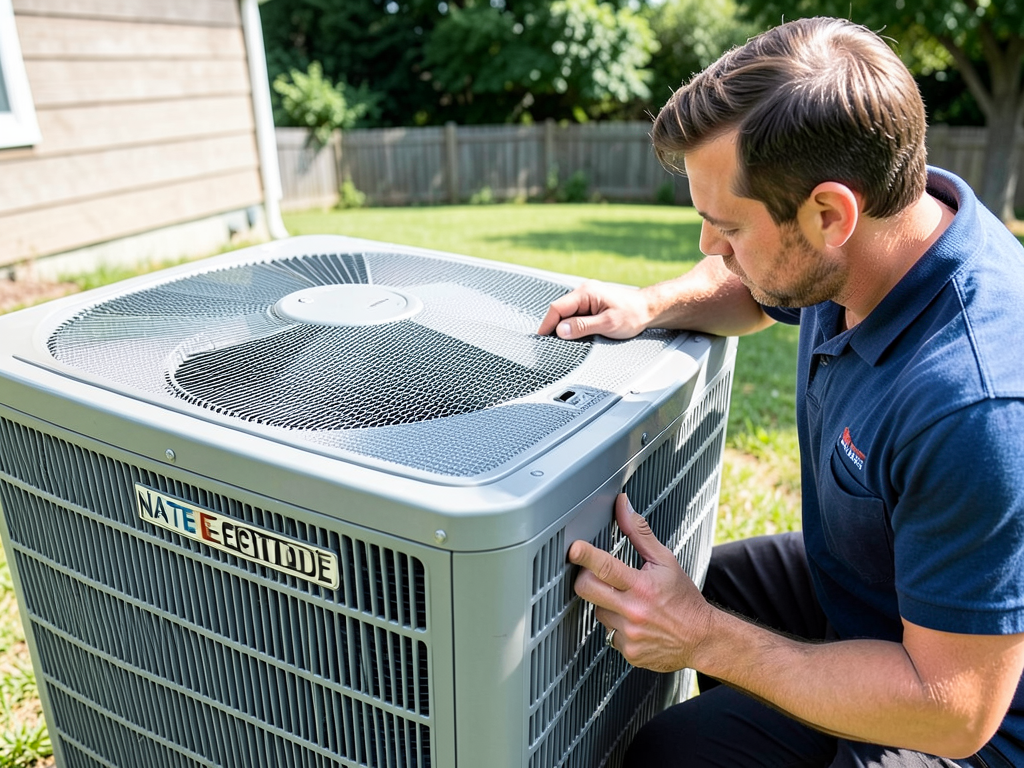
Why Pagedale Homeowners Ask This Every Fall
Pagedale sits in the heart of St. Louis County where winter means freezing rain, wet snow, and rapid temperature swings. That freeze-thaw cycle is the real threat to your condenser coil. Moisture gets inside, freezes, expands, and cracks copper tubing. Many Pagedale homes also have mature oak and maple trees dropping leaves and twigs that can clog the coil. A cheap plastic cover might seem like protection, but it actually locks in humidity and creates a perfect nesting spot for Missouri field mice. The smarter move is to clean the coil, clear debris, and only use a breathable mesh top cover if falling icicles are a concern.
The Pro-Cover Debate: Protecting Against St. Louis Ice and Debris
Traditional wisdom says a full cover keeps out ice, snow, and leaves. In Pagedale’s climate, that wisdom is outdated. St. Louis County sees 20-plus freeze-thaw cycles each winter. When a solid vinyl or plastic cover traps that moisture against aluminum fins, it accelerates corrosion. Falling icicles from older Pagedale gutters can dent the top grille, but a full wrap-around cover also blocks airflow and creates condensation on the inside. The better compromise is a top-only breathable mesh that stops debris and ice while letting moisture escape. Before adding any cover, remove all leaves, sticks, and trim back overhanging branches—especially important in Pagedale’s older neighborhoods with mature tree canopies.
The Risks of Covering Your AC (Moisture, Rust, and Rodents)
Moisture is the silent killer of outdoor units. A non-breathable cover acts like a terrarium, holding humidity against copper tubing and aluminum fins. In Pagedale’s wet winters, that moisture freezes, thaws, and refreezes, causing expansion cracks. Rodents see a covered unit as a warm shelter. Missouri field mice, squirrels, and even chipmunks will nest inside, chewing wiring and building nests that block airflow. Once inside, they can destroy capacitors and control boards. Covering a heat pump is even worse—if the reversing valve is active for winter heating, a cover can cause the unit to overheat and fail. Always check your equipment type before considering any cover. Commercial Heating Services.
How to Properly Cover Your Unit Without Damaging It
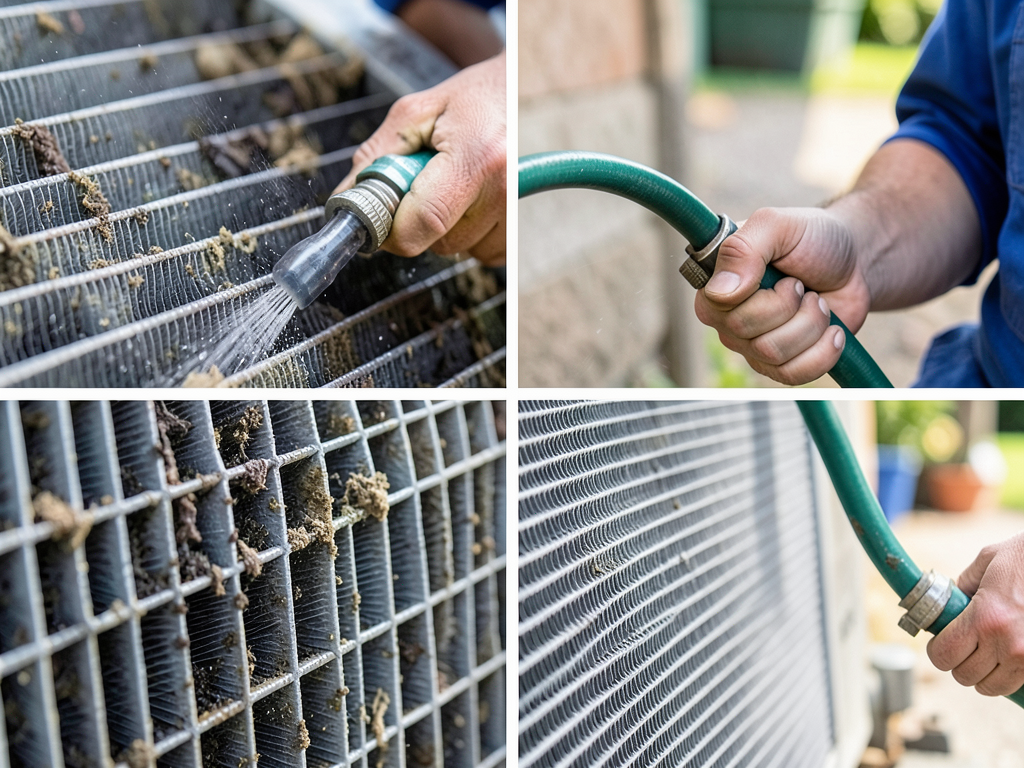
If falling ice from Pagedale’s older gutters is your main concern, use a top-only breathable mesh cover made of UV-resistant polyester or canvas. Never use solid plastic or vinyl. The cover should extend just beyond the top grille, leaving all four sides open for ventilation. Before installing, clean the coil with a garden hose on low pressure and let it dry completely. Remove all organic debris from the base and surrounding area. Secure the mesh with bungee cords or straps that allow some movement—tight strapping can pull on the frame and bend fins. Schedule this work in late October or early November, after the last leaves fall but before the first hard freeze.
Alternatives to Full Covers: The Plywood Method
A simple sheet of 3/4-inch plywood cut to fit the top of the unit works surprisingly well in Pagedale. Place it directly on the grille and weigh it down with a brick or stone. This stops falling icicles and heavy snow loads without trapping moisture. The open sides still allow airflow and moisture to escape. This method is especially popular in Pagedale’s older neighborhoods where mature trees drop acorns and twigs. After installing the board, walk the yard and pick up any debris that could blow under the unit. Check the plywood periodically throughout winter to ensure it hasn’t shifted.
Winter Maintenance Checklist for St. Louis Homeowners
Before covering or boarding your unit, complete this Pagedale-specific checklist:
- Turn off power at the disconnect box near the condenser.
- Remove leaves, sticks, and organic debris from the coil and base.
- Hose off the coil with low-pressure water; let dry 24 hours.
- Inspect for rodent entry points; seal gaps with steel wool.
- Check refrigerant lines for insulation damage; replace if cracked.
- Clear a 2-foot perimeter around the unit of plants and mulch.
- If using a cover, choose breathable mesh and secure loosely.
Heat Pump vs. Central AC: Know Your Equipment
Pagedale homes often have either a standard central AC or a heat pump. Heat pumps run year-round, providing cooling in summer and heating in winter by reversing refrigerant flow. Covering a running heat pump traps heat and can cause the compressor to overheat, leading to expensive repairs or total failure. Central AC units only run in warm months, so they can be covered in winter if done correctly. Not sure which you have? Look for a reversing valve inside the unit or check your thermostat for an “emergency heat” setting. When in doubt, skip the cover and focus on debris removal and airflow. EPA HVAC Systems Guide.
St. Louis Weather Patterns and Internal Moisture Traps
Pagedale’s humid continental climate means wet winters with frequent rain-snow mix events. When temperatures hover near freezing, moisture accumulates on the coil and inside the cabinet. A non-breathable cover prevents that moisture from evaporating, creating a perfect environment for rust and mold. The Missouri Department of Natural Resources reports average winter humidity above 70%, which is why breathable materials are critical. Even a top-only mesh should be removed during prolonged warm spells to let the unit dry completely. Moisture plus organic debris equals accelerated corrosion—exactly what you’re trying to prevent. Top Rated AC Installation Companies Serving Ladue and Clayton.
Manufacturer Warranty Considerations
Most HVAC manufacturers, including Trane, Carrier, and Lennox, void warranties if damage results from improper covering. Their guidelines explicitly warn against using non-breathable materials or covering heat pumps. Some Pagedale homeowners assume a cover is “extra protection,” but if it causes rust or rodent damage, you could be paying for a new coil out of pocket. Always review your warranty manual before modifying your unit. If you’re unsure, call a NATE-certified technician to inspect and recommend winter protection methods that won’t void your coverage. NATE Certification.
Rodent Prevention: Missouri Field Mice and Squirrels
Rodents are a year-round problem in Pagedale, but winter drives them to seek shelter. A covered AC unit looks like a ready-made den. Missouri field mice can squeeze through gaps as small as a dime. Once inside, they chew wiring, shred insulation, and build nests that block airflow. Signs of infestation include droppings near the base, chewed insulation on refrigerant lines, and nests made of leaves or paper. To deter them, remove all organic debris, seal visible gaps with steel wool, and consider placing a non-toxic repellent like peppermint oil-soaked cotton balls near the unit. A breathable cover still allows you to inspect the base monthly for new entry points.
Mesh vs. Vinyl Covers: The Breathable Compromise
Vinyl and plastic covers are cheaper but trap moisture. Breathable mesh covers, often made of UV-resistant polyester or canvas, allow air circulation while blocking debris. Look for covers labeled “weather-resistant” rather than “waterproof.” In Pagedale’s wet climate, waterproof equals non-breathable. Mesh covers also dry faster after rain or snow, reducing the risk of ice formation. Some brands include built-in vents or drainage ports. Expect to pay $40-$80 for a quality mesh top cover versus $20-$40 for a solid vinyl version. The extra cost is worth it when you consider the potential for rust and rodent damage.. Read more about How to Keep Mice and Squirrels Out of Your Southampton HVAC Vents.
Coil Cleaning Before Winter: Why It Matters
Dirty coils hold moisture longer and are more prone to freezing damage. In Pagedale, pollen, cottonwood seeds, and maple spinners can coat the coil by late summer. Use a garden hose with a spray nozzle on a gentle setting to rinse both sides of the coil. Avoid pressure washers, which can bend fins. Let the unit dry for 24 hours before covering or boarding. If the coil is heavily soiled, consider a professional cleaning with a foaming coil cleaner. Clean coils transfer heat more efficiently and are less likely to develop ice dams during freeze-thaw cycles. Why Professional Air Duct Cleaning is Essential for Wildwood Homes.
Pre-Winter Maintenance: The Step You Can’t Skip
Skipping maintenance is the biggest mistake Pagedale homeowners make. A quick DIY inspection can save you from mid-winter breakdowns. Turn off power, remove the access panel, and look for signs of wear: frayed wires, rusted terminals, or oil stains on the compressor. Check that the unit is level—shifting clay soil in St. Louis County can cause the pad to tilt, leading to poor drainage and accelerated wear. If you notice anything unusual, call a NATE-certified technician before temperatures drop. A $100 tune-up now can prevent a $1,000 emergency repair in January. Emergency AC Repair in Creve Coeur That Won’t Break the Bank.
Frequently Asked Questions
Should I cover my AC unit if I have a heat pump?
No. Heat pumps run year-round for heating and cooling. Covering them can cause overheating and void your warranty. Only central AC units that are shut down for winter can be covered, and only with breathable materials.
What’s the best way to protect against falling icicles?
Use a top-only breathable mesh cover or a sheet of plywood cut to fit the top grille. Both stop falling debris without trapping moisture. Secure loosely to allow airflow and prevent warping.
How do I know if rodents have nested in my unit?
Look for droppings, chewed wiring, shredded insulation, or nests made of leaves and paper. You may also hear scratching sounds from inside the cabinet on quiet nights. If you see signs, call a technician immediately to inspect for damage.
Can I use a tarp from the hardware store?
No. Tarps are non-breathable and trap moisture, leading to rust and mold. They also provide a perfect shelter for rodents. Invest in a breathable mesh cover or use the plywood method instead.
Call (314) 417-7771 Today to Schedule Your Winter Inspection
Don’t wait until the first freeze to find out your AC has a problem. A quick inspection now can prevent costly mid-winter repairs. Call (314) 417-7771 to schedule your winterization service. Our NATE-certified technicians will clean your coil, check for rodent entry points, and recommend the right protection for your specific unit. Serving Pagedale and all of St. Louis County with fast, reliable service you can trust. Finding a Reliable 24 Hour HVAC Technician in Chesterfield.
{
“@context”: “https://schema.org”,
“@type”: “BlogPosting”,
“headline”: “Should You Actually Cover Your Outdoor AC Unit for the Winter in Pagedale?”,
“description”: “Find out if covering your AC unit in Pagedale helps or hurts. Learn the moisture, rodent, and rust risks—plus the right way to protect your system this winter.”,
“wordCount”: 1747,
“datePublished”: “2026-05-04T10:15:00.000Z”,
“dateModified”: “2026-05-04T10:15:00.000Z”,
“inLanguage”: “en-US”,
“mainEntityOfPage”: {
“@type”: “WebPage”,
“@id”: “https://keystonehvacstlouis.com”
},
“publisher”: {
“@type”: “LocalBusiness”,
“name”: “Keystone HVAC St. Louis”,
“url”: “https://keystonehvacstlouis.com”
},
“author”: {
“@type”: “Organization”,
“name”: “Keystone HVAC St. Louis”,
“url”: “https://keystonehvacstlouis.com”
},
“image”: {
“@type”: “ImageObject”,
“url”: “https://keystonehvacstlouis.com/wp-content/uploads/2026/03/should-you-actually-cover-your-outdoor-ac-unit-for-1.png”
}
}
{
“@context”: “https://schema.org”,
“@type”: “HVACBusiness”,
“name”: “Keystone HVAC St. Louis”,
“url”: “https://keystonehvacstlouis.com”,
“address”: {
“@type”: “PostalAddress”,
“addressLocality”: “St. Louis”
},
“areaServed”: {
“@type”: “City”,
“name”: “St. Louis”
}
}
{
“@context”: “https://schema.org”,
“@type”: “FAQPage”,
“mainEntity”: [
{
“@type”: “Question”,
“name”: “Should I cover my AC unit if I have a heat pump?”,
“acceptedAnswer”: {
“@type”: “Answer”,
“text”: “No. Heat pumps run year-round for heating and cooling. Covering them can cause overheating and void your warranty. Only central AC units that are shut down for winter can be covered, and only with breathable materials.”
}
},
{
“@type”: “Question”,
“name”: “What’s the best way to protect against falling icicles?”,
“acceptedAnswer”: {
“@type”: “Answer”,
“text”: “Use a top-only breathable mesh cover or a sheet of plywood cut to fit the top grille. Both stop falling debris without trapping moisture. Secure loosely to allow airflow and prevent warping.”
}
},
{
“@type”: “Question”,
“name”: “How do I know if rodents have nested in my unit?”,
“acceptedAnswer”: {
“@type”: “Answer”,
“text”: “Look for droppings, chewed wiring, shredded insulation, or nests made of leaves and paper. You may also hear scratching sounds from inside the cabinet on quiet nights. If you see signs, call a technician immediately to inspect for damage.”
}
},
{
“@type”: “Question”,
“name”: “Can I use a tarp from the hardware store?”,
“acceptedAnswer”: {
“@type”: “Answer”,
“text”: “No. Tarps are non-breathable and trap moisture, leading to rust and mold. They also provide a perfect shelter for rodents. Invest in a breathable mesh cover or use the plywood method instead.”
}
}
]
}
{
“@context”: “https://schema.org”,
“@type”: “BreadcrumbList”,
“itemListElement”: [
{
“@type”: “ListItem”,
“position”: 1,
“name”: “Home”,
“item”: “https://keystonehvacstlouis.com”
},
{
“@type”: “ListItem”,
“position”: 2,
“name”: “Blog”,
“item”: “https://keystonehvacstlouis.com/blog”
},
{
“@type”: “ListItem”,
“position”: 3,
“name”: “Should You Actually Cover Your Outdoor AC Unit for the Winter in Pagedale?”
}
]
}
{
“@context”: “https://schema.org”,
“@type”: “Service”,
“serviceType”: “HVAC”,
“provider”: {
“@type”: “LocalBusiness”,
“name”: “Keystone HVAC St. Louis”,
“url”: “https://keystonehvacstlouis.com”
},
“areaServed”: {
“@type”: “City”,
“name”: “St. Louis”
},
“description”: “Find out if covering your AC unit in Pagedale helps or hurts. Learn the moisture, rodent, and rust risks—plus the right way to protect your system this winter.”
}