
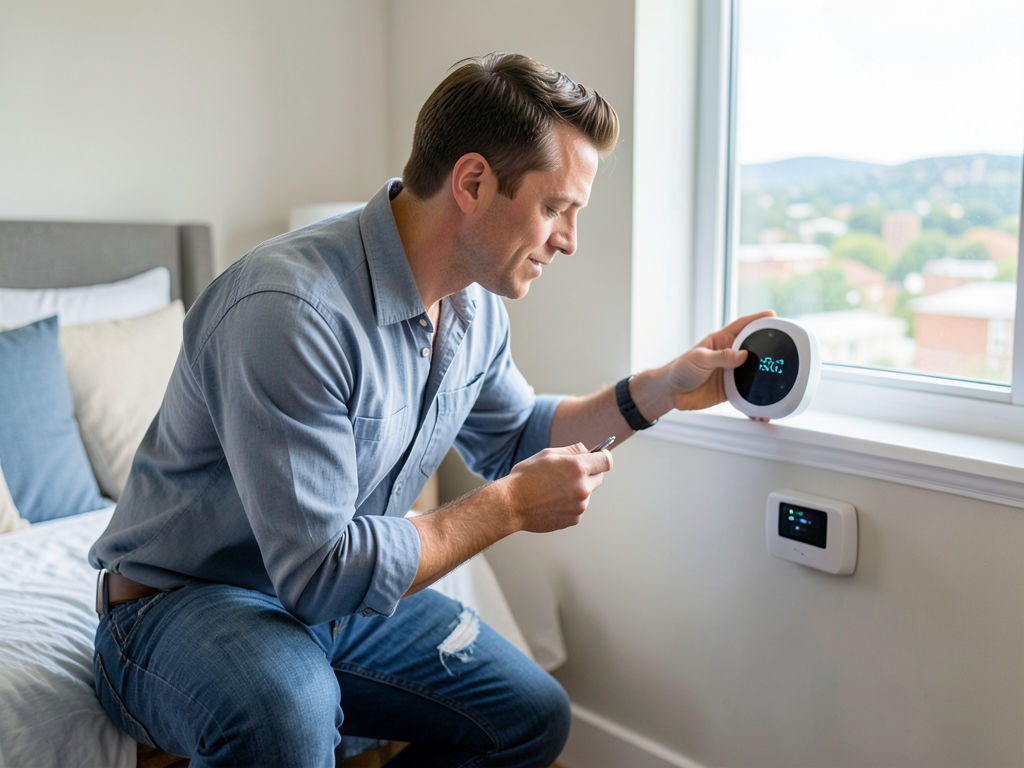
Why a Cooler Bedroom Leads to Better Sleep for Your Family in St. Louis Hills
Most people in St. Louis Hills struggle with restless nights during summer months. Your bedroom temperature directly impacts how well your family sleeps. Research shows that cooler bedrooms between 60-67°F help your body fall asleep faster and stay asleep longer. This happens because your core body temperature naturally drops when you sleep, and a cool environment supports that process. Sleep Foundation temperature recommendations.
St. Louis Hills residents face unique challenges with Missouri’s high humidity making rooms feel warmer than the thermostat reading. A bedroom at 70°F with 80% humidity feels like 75°F to your body. That extra warmth disrupts your sleep cycles and leaves you tossing and turning all night.
How Your Body Regulates Sleep Temperature
Your body’s internal thermostat works on a 24-hour cycle. As bedtime approaches, your core temperature drops by about 2°F. This cooling process triggers melatonin release, the hormone that makes you feel sleepy. When your bedroom is too warm, this natural cooling gets blocked.. Read more about Modern Cooling Options for Vintage Condos in DeMun That Can’t Use Window Units.
During deep sleep stages, your body loses its ability to regulate temperature. That’s why a cool room matters most during the middle of the night. If your bedroom hits 75°F at 2 AM, your body will wake you up to cool down.
Ideal Bedroom Temperatures for Different Family Members
Adults sleep best between 60-67°F. Infants need slightly warmer rooms at 65-70°F since they cannot regulate body temperature as well. Seniors often prefer 68-72°F because circulation changes affect how they perceive cold.
Children between ages 3-12 typically sleep well at 65-70°F. Their smaller bodies heat up faster during sleep, so they may kick off covers if the room is too warm.
St. Louis Hills Summer Humidity Challenges
St. Louis summers bring humidity levels that make cooling your bedroom harder. When outdoor humidity exceeds 70%, your air conditioner must work twice as hard to remove moisture. This creates cold spots and warm spots throughout your home.
Many St. Louis Hills homes built before 2000 have ductwork that leaks 20-30% of cooled air. This means your bedroom might only get 70% of the cooling your thermostat displays.
Learn how to fix cooling problems in older St. Louis homes
HVAC Solutions for Better Sleep Quality
Programmable thermostats can automatically lower bedroom temperatures at bedtime. Set your system to start cooling at 7 PM so your room reaches the ideal temperature by 10 PM.
Zoning systems let you cool bedrooms without wasting energy on empty living spaces. This can save 15-20% on cooling costs while improving sleep comfort.
Clean air filters improve airflow by 10-15%. Dirty filters make your system work harder and create uneven cooling. Replace filters every 60-90 days during summer.
Dehumidifiers remove moisture that makes rooms feel warmer. A 30-pint dehumidifier can make a 70°F room feel like 65°F by removing sticky humidity.
Energy-Efficient Cooling Strategies for Missouri Summers
Run ceiling fans counterclockwise to create a wind-chill effect. This makes rooms feel 4-5°F cooler without changing the actual temperature.
Close bedroom doors during the day to keep cool air concentrated where you sleep. This simple step can lower bedroom temperatures by 2-3°F. Top Rated AC Installation Companies Serving Ladue and Clayton.
Plant shade trees on the west side of your home. Deciduous trees block summer sun but allow winter warmth. This natural cooling can reduce bedroom heat gain by 10-15%.
Use blackout curtains to block solar heat gain. Windows facing east or west can add 20-30°F of heat to your bedroom during summer afternoons.
The Role of Air Quality in Sleep
Clean air helps you breathe easier during sleep. MERV 8-11 filters trap dust, pollen, and pet dander that can irritate airways and disrupt sleep.
High humidity promotes mold growth in ductwork. If your bedroom smells musty when the AC runs, you may have mold affecting your air quality.
Air purifiers with HEPA filters remove 99.97% of airborne particles. This can reduce nighttime allergies and improve breathing for better sleep. EPA indoor air quality guidelines.
Seasonal Transition Tips for St. Louis Weather
Spring in St. Louis brings rapid temperature swings. Your bedroom might need heating at night but cooling by afternoon. Smart thermostats learn these patterns and adjust automatically. Commercial Heating Services.
Fall requires careful temperature balancing. Open windows on cool nights but close them before morning humidity rises. This natural cooling can save energy while maintaining comfort.
Winter heating can dry bedroom air below 20% humidity. This dryness can cause nasal congestion and disrupt sleep. Whole-home humidifiers maintain 30-50% humidity for better breathing.
Smart Thermostat Benefits for Sleep Optimization
Smart thermostats track your sleep patterns and adjust temperatures automatically. They can lower bedroom temperatures 30 minutes before your usual bedtime.
Geofencing features detect when you’re approaching home and start cooling your bedroom early. This ensures your room is at the perfect temperature when you arrive.
Energy usage reports show how much you spend cooling your bedroom. Many families save 10-15% by optimizing sleep temperature schedules.
Common Bedroom Cooling Mistakes
Setting the thermostat too low wastes energy. Each degree below 70°F increases cooling costs by 3-5%. Find the highest temperature you can sleep comfortably at.
Ignoring ductwork leaks sends cooled air to your attic instead of your bedroom. Professional duct sealing can improve cooling efficiency by 20%. Why Professional Air Duct Cleaning is Essential for Wildwood Homes.
Using portable AC units creates hot spots. These units often cool only the area directly in front of them, leaving the rest of the room warm.
Running fans with windows open pulls in humid outside air. This can make your bedroom feel warmer than if you used AC alone.
When to Call an HVAC Professional
If your bedroom stays above 75°F even when the AC runs constantly, you may have airflow problems. This could mean blocked ducts, failing equipment, or improper system sizing.
Strange noises from your HVAC system often indicate failing components. Grinding sounds suggest motor bearing wear. Clicking could mean electrical problems.
Uneven cooling between rooms suggests ductwork issues. If your bedroom is 10°F warmer than your living room, you need professional diagnosis.
High energy bills during mild weather indicate system inefficiency. If your July bill is higher than June when temperatures were similar, something is wrong.
Sleep Comfort Investment Options
Zone control systems cost $3,000-8,000 but can pay for themselves in 3-5 years through energy savings. They provide precise temperature control for each bedroom.
High-efficiency air conditioners with SEER ratings above 16 use 30-40% less energy than older units. This means cooler bedrooms for less money.
Smart thermostats cost $150-300 and can reduce cooling costs by 10-15%. Many utility companies offer rebates that cover part of the cost.
Professional duct cleaning every 3-5 years improves airflow and air quality. This service typically costs $300-500 and can extend your system’s life by years.
Local Building Code Requirements
St. Louis County Mechanical Code requires minimum airflow of 400 CFM per ton of cooling capacity. Many older homes in St. Louis Hills have only 300 CFM per ton, causing cooling problems.
Building codes mandate that HVAC systems must maintain 78°F or below when outdoor temperatures reach 95°F. This standard ensures your bedroom stays cool even on the hottest St. Louis days.
Permits are required for any HVAC system replacement in St. Louis Hills. This ensures proper sizing and installation according to local climate conditions. The Best Local Furnace Replacement Options for Kirkwood Families.
Maintaining Your System for Better Sleep
Annual professional maintenance prevents 80% of system failures. A technician can identify worn parts before they cause a complete breakdown during a hot night.
Clean condenser coils improve efficiency by 20-30%. Dirty coils make your system work harder and cool less effectively.
Check refrigerant levels annually. Low refrigerant reduces cooling capacity by 10-20% and can freeze evaporator coils, stopping cooling entirely.
Inspect ductwork for leaks every 2-3 years. Even small leaks can reduce cooling efficiency by 15-20%.
Health Benefits of Proper Bedroom Cooling
Better sleep from proper cooling improves immune function. People who sleep in cool rooms get sick less often during cold and flu season.
Cool bedrooms reduce night sweats and hot flashes. This is especially important for women experiencing hormonal changes.
Lower bedroom temperatures can reduce asthma symptoms at night. Cool, clean air helps keep airways open during sleep.
Proper cooling may reduce risk of sudden infant death syndrome (SIDS). Cool rooms help regulate infant breathing patterns during sleep.
Emergency Cooling Solutions
If your AC fails on a hot night, close blinds and curtains to block solar heat gain. This can keep your bedroom 5-10°F cooler.
Use box fans in windows to create cross-ventilation. Position one fan to blow in cool air and another to exhaust hot air.
Take cool showers before bed to lower your body temperature. This can help you fall asleep even in a warm room.
Sleep on lower levels of your home. Heat rises, so bedrooms on upper floors can be 5-10°F warmer than main floor rooms.
Long-Term Cooling Strategies
Upgrade to high-efficiency windows with low-E coatings. These windows can reduce solar heat gain by 40-60%.
Install radiant barrier in your attic. This reflective material can reduce heat transfer into your bedroom by 20-30%.. Read more about Does Your Maryland Heights Attic Have Enough Ventilation for the Summer Heat?.
Consider a mini-split system for your bedroom. These ductless units provide precise temperature control without the energy losses of central ductwork.
Replace old insulation in walls and ceilings. Modern insulation can reduce heat transfer by 50% or more.
Cost vs. Comfort Analysis
Running your AC at 72°F instead of 78°F increases energy costs by 20-30%. Find the highest temperature you can comfortably sleep at to save money.
Programmable thermostats can pay for themselves in 1-2 summers through energy savings. They optimize cooling schedules based on your sleep patterns.
Professional duct sealing costs $500-1,500 but can save $200-400 per year in energy costs. This improvement pays for itself in 2-3 years.
Regular maintenance costs $150-300 per year but prevents costly emergency repairs. It also extends your system’s life by 3-5 years.
Sleep Quality Improvement Timeline
Most people notice better sleep within 2-3 nights of optimizing bedroom temperature. Your body quickly adapts to the ideal sleeping environment.
Energy savings from efficiency improvements typically appear on your first bill after changes. Many customers see 10-15% reductions in cooling costs.
System performance improvements from maintenance are immediate. Your bedroom will cool faster and maintain temperature more consistently.
Health benefits from better sleep quality develop over 2-4 weeks. You’ll likely notice improved energy levels and mood during the day.
Local Climate Considerations
St. Louis Hills experiences 40+ days above 90°F each summer. Your cooling system must handle extreme heat while maintaining comfortable bedroom temperatures.. Read more about Creating a Comfortable and Quiet Home Office in Your Brentwood Spare Bedroom.
Humidity levels in St. Louis often exceed 70% during summer nights. This moisture makes rooms feel warmer and promotes mold growth in ductwork.
Spring and fall temperature swings of 30-40°F in 24 hours stress HVAC systems. Your equipment needs proper sizing to handle these rapid changes.
Winter cold snaps can drop temperatures below 0°F. While this article focuses on cooling, your system must also provide reliable heating for year-round comfort. Finding a Reliable 24 Hour HVAC Technician in Chesterfield.
Professional Assessment Benefits
A professional HVAC assessment can identify cooling problems you cannot see. Technicians use specialized tools to measure airflow, temperature differentials, and system efficiency.
Many cooling issues stem from improper system sizing. A professional load calculation ensures your equipment matches your home’s cooling needs.
Technicians can identify energy waste sources that homeowners miss. This might include duct leaks, poor insulation, or inefficient equipment.
Professional recommendations are based on local climate data and building science. This ensures solutions work specifically for St. Louis Hills conditions.
Making the Right Choice for Your Family
Every family has different sleep temperature preferences. What works for one household may not work for another. Experiment to find your ideal temperature range.
Consider your budget when planning cooling improvements. Some solutions offer quick returns while others provide long-term comfort benefits.
Factor in your home’s age and construction when choosing cooling strategies. Older homes in St. Louis Hills often need different approaches than newer construction.
Think about future needs when upgrading your system. Choose equipment that can handle both current and anticipated cooling demands.
Getting Started with Better Sleep
Begin by measuring your current bedroom temperature at night. Use a simple thermometer to track how warm your room gets during sleep hours.
Test different thermostat settings to find your comfort zone. Start at 75°F and lower by 1°F each night until you find the ideal temperature.
Check your air filter monthly and replace when dirty. This simple step often solves many cooling problems.
Schedule professional maintenance if your system is over 5 years old. Regular service prevents most cooling failures and improves efficiency.
Frequently Asked Questions
What is the ideal bedroom temperature for sleep?
The National Sleep Foundation recommends 60-67°F for optimal sleep. This range supports your body’s natural temperature drop during sleep cycles.
Is 70 degrees too hot for sleep?
For most people, 70°F is slightly warm but still acceptable. However, in St. Louis’s humid climate, 70°F often feels like 73-75°F due to moisture in the air.
Should I sleep with a fan on?
Ceiling fans improve sleep comfort by creating a wind-chill effect that makes you feel 4-5°F cooler. They use much less energy than lowering your thermostat.
How can I keep my bedroom cool without AC?
Use blackout curtains, run ceiling fans, open windows at night when humidity is low, and use breathable cotton bedding. These strategies can lower bedroom temperatures by 5-10°F.
How often should I replace my air filter?
Replace standard 1-inch filters every 30-60 days during cooling season. Check them monthly and replace when dirty, which may be more frequent during high pollen or dust periods.
Can humidity affect my sleep quality?
Yes, high humidity makes rooms feel warmer and can cause discomfort during sleep. St. Louis’s summer humidity often exceeds 70%, making proper dehumidification important for sleep comfort.
What size air conditioner do I need?
AC sizing depends on your home’s square footage, insulation, windows, and local climate. A professional load calculation ensures proper sizing for your specific St. Louis Hills home.
How can I tell if my AC is working properly?
Check if your bedroom stays at your set temperature, listen for unusual noises, and monitor your energy bills. If cooling seems uneven or bills are high, you may need professional service.
Are smart thermostats worth the investment?
Smart thermostats typically pay for themselves in 1-2 years through energy savings. They also provide better sleep comfort by automatically adjusting temperatures based on your schedule.
How can I improve airflow to my bedroom?
Ensure air vents are open and unobstructed, check for duct leaks, clean or replace air filters, and consider professional duct cleaning if your system is over 5 years old.
Take Action for Better Sleep Tonight
Your family deserves restful sleep every night. The right bedroom temperature makes a huge difference in sleep quality and overall health. Don’t let another restless night affect your family’s wellbeing.
Call (314) 417-7771 today to schedule your sleep comfort assessment. Our local experts understand St. Louis Hills’ unique cooling challenges and can recommend solutions that work for your home and budget.
Pick up the phone and call (314) 417-7771 before the next heat wave hits. Better sleep is just one call away.
{
“@context”: “https://schema.org”,
“@type”: “BlogPosting”,
“headline”: “Why a Cooler Bedroom Leads to Better Sleep for Your Family in St. Louis Hills”,
“description”: “Discover how bedroom temperature affects your family’s sleep quality in St. Louis Hills. Learn optimal cooling strategies for Missouri’s humid climate from local HVAC experts.”,
“wordCount”: 2554,
“datePublished”: “2026-05-28T11:08:00.000Z”,
“dateModified”: “2026-05-28T11:08:00.000Z”,
“inLanguage”: “en-US”,
“mainEntityOfPage”: {
“@type”: “WebPage”,
“@id”: “https://keystonehvacstlouis.com”
},
“publisher”: {
“@type”: “LocalBusiness”,
“name”: “Keystone HVAC St. Louis”,
“url”: “https://keystonehvacstlouis.com”
},
“author”: {
“@type”: “Organization”,
“name”: “Keystone HVAC St. Louis”,
“url”: “https://keystonehvacstlouis.com”
},
“image”: {
“@type”: “ImageObject”,
“url”: “https://keystonehvacstlouis.com/wp-content/uploads/2026/03/why-a-cooler-bedroom-leads-to-better-sleep-for-you-1.png”
}
}
{
“@context”: “https://schema.org”,
“@type”: “HVACBusiness”,
“name”: “Keystone HVAC St. Louis”,
“url”: “https://keystonehvacstlouis.com”,
“address”: {
“@type”: “PostalAddress”,
“addressLocality”: “St. Louis”
},
“areaServed”: {
“@type”: “City”,
“name”: “St. Louis”
}
}
{
“@context”: “https://schema.org”,
“@type”: “FAQPage”,
“mainEntity”: [
{
“@type”: “Question”,
“name”: “What is the ideal bedroom temperature for sleep?”,
“acceptedAnswer”: {
“@type”: “Answer”,
“text”: “The National Sleep Foundation recommends 60-67°F for optimal sleep. This range supports your body’s natural temperature drop during sleep cycles.”
}
},
{
“@type”: “Question”,
“name”: “Is 70 degrees too hot for sleep?”,
“acceptedAnswer”: {
“@type”: “Answer”,
“text”: “For most people, 70°F is slightly warm but still acceptable. However, in St. Louis’s humid climate, 70°F often feels like 73-75°F due to moisture in the air.”
}
},
{
“@type”: “Question”,
“name”: “Should I sleep with a fan on?”,
“acceptedAnswer”: {
“@type”: “Answer”,
“text”: “Ceiling fans improve sleep comfort by creating a wind-chill effect that makes you feel 4-5°F cooler. They use much less energy than lowering your thermostat.”
}
},
{
“@type”: “Question”,
“name”: “How can I keep my bedroom cool without AC?”,
“acceptedAnswer”: {
“@type”: “Answer”,
“text”: “Use blackout curtains, run ceiling fans, open windows at night when humidity is low, and use breathable cotton bedding. These strategies can lower bedroom temperatures by 5-10°F.”
}
},
{
“@type”: “Question”,
“name”: “How often should I replace my air filter?”,
“acceptedAnswer”: {
“@type”: “Answer”,
“text”: “Replace standard 1-inch filters every 30-60 days during cooling season. Check them monthly and replace when dirty, which may be more frequent during high pollen or dust periods.”
}
},
{
“@type”: “Question”,
“name”: “Can humidity affect my sleep quality?”,
“acceptedAnswer”: {
“@type”: “Answer”,
“text”: “Yes, high humidity makes rooms feel warmer and can cause discomfort during sleep. St. Louis’s summer humidity often exceeds 70%, making proper dehumidification important for sleep comfort.”
}
},
{
“@type”: “Question”,
“name”: “What size air conditioner do I need?”,
“acceptedAnswer”: {
“@type”: “Answer”,
“text”: “AC sizing depends on your home’s square footage, insulation, windows, and local climate. A professional load calculation ensures proper sizing for your specific St. Louis Hills home.”
}
},
{
“@type”: “Question”,
“name”: “How can I tell if my AC is working properly?”,
“acceptedAnswer”: {
“@type”: “Answer”,
“text”: “Check if your bedroom stays at your set temperature, listen for unusual noises, and monitor your energy bills. If cooling seems uneven or bills are high, you may need professional service.”
}
},
{
“@type”: “Question”,
“name”: “Are smart thermostats worth the investment?”,
“acceptedAnswer”: {
“@type”: “Answer”,
“text”: “Smart thermostats typically pay for themselves in 1-2 years through energy savings. They also provide better sleep comfort by automatically adjusting temperatures based on your schedule.”
}
},
{
“@type”: “Question”,
“name”: “How can I improve airflow to my bedroom?”,
“acceptedAnswer”: {
“@type”: “Answer”,
“text”: “Ensure air vents are open and unobstructed, check for duct leaks, clean or replace air filters, and consider professional duct cleaning if your system is over 5 years old.”
}
}
]
}
{
“@context”: “https://schema.org”,
“@type”: “BreadcrumbList”,
“itemListElement”: [
{
“@type”: “ListItem”,
“position”: 1,
“name”: “Home”,
“item”: “https://keystonehvacstlouis.com”
},
{
“@type”: “ListItem”,
“position”: 2,
“name”: “Blog”,
“item”: “https://keystonehvacstlouis.com/blog”
},
{
“@type”: “ListItem”,
“position”: 3,
“name”: “Why a Cooler Bedroom Leads to Better Sleep for Your Family in St. Louis Hills”
}
]
}
{
“@context”: “https://schema.org”,
“@type”: “Service”,
“serviceType”: “HVAC”,
“provider”: {
“@type”: “LocalBusiness”,
“name”: “Keystone HVAC St. Louis”,
“url”: “https://keystonehvacstlouis.com”
},
“areaServed”: {
“@type”: “City”,
“name”: “St. Louis”
},
“description”: “Discover how bedroom temperature affects your family’s sleep quality in St. Louis Hills. Learn optimal cooling strategies for Missouri’s humid climate from local HVAC experts.”
}