
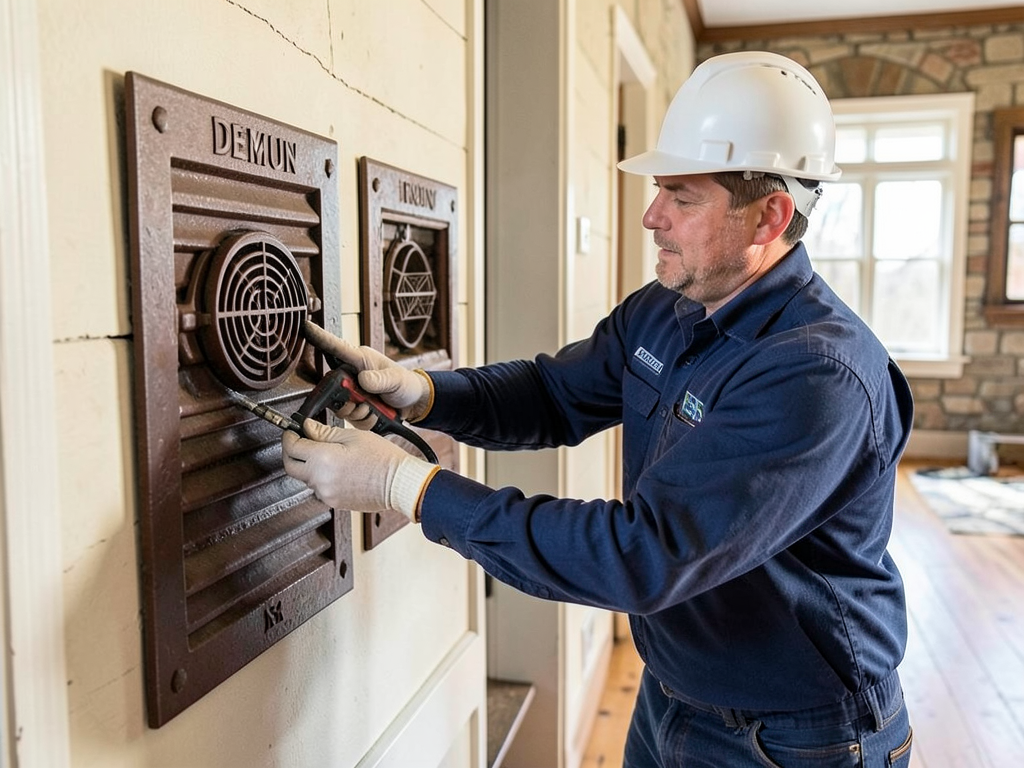
Upgrading Your Demun Home with Decorative Vent Covers That Don’t Restrict Airflow
Upgrading your Demun home’s HVAC vents with decorative covers can transform your interior design while maintaining proper airflow. The right vent covers enhance your home’s aesthetic appeal without compromising your heating and cooling system’s efficiency. This guide covers everything you need to know about selecting, measuring, and installing decorative vent covers that work with your existing ductwork. Commercial Heating Services.
Understanding Vent Cover Basics for Demun Homes
Demun’s historic homes often feature unique architectural details that modern vent covers can complement. Many older homes in this St. Louis neighborhood have non-standard duct sizes, requiring custom solutions rather than off-the-shelf options.. Read more about How Painting Your Historic Soulard Radiators Could Be Impacting Your Heating Efficiency.
The key to successful vent cover upgrades lies in understanding the difference between the duct opening and the register faceplate. Most homeowners measure the wrong dimension, leading to ill-fitting covers that either restrict airflow or look awkward on the wall.
Common Vent Types in Demun Architecture
Demun homes typically feature:
- Floor registers in older craftsman and bungalow-style homes
- Wall-mounted grilles in mid-century ranches
- Ceiling vents in homes with central air conditioning additions
- Oversized historical ducts requiring custom fabrication
The neighborhood’s mix of architectural styles means vent cover solutions must be tailored to each home’s specific character and functional requirements.
Materials That Balance Beauty and Performance
Choosing the right material for your decorative vent covers affects both appearance and HVAC performance. Each material offers different benefits for Demun’s climate and architectural context.
Cast Iron Vent Covers
Cast iron provides excellent durability and classic styling that complements Demun’s historic homes. These heavy-duty covers resist warping from temperature changes and maintain their shape over decades. The material’s density also helps reduce HVAC noise transmission.
However, cast iron requires proper powder coating or painting to prevent rust in Missouri’s humid climate. The weight also means installation must account for wall or floor mounting strength. Top Rated AC Installation Companies Serving Ladue and Clayton.
Solid Brass Options
Solid brass vent covers offer a premium look with excellent corrosion resistance. The material develops a natural patina over time, adding character to your home’s interior. Brass provides good structural integrity without the weight of cast iron.
Quality brass covers feature precision-engineered louvers that maintain airflow while preventing debris entry. The material’s thermal conductivity helps distribute air more evenly than plastic alternatives.
Wood Vent Covers
Wood vent covers bring warmth to Demun’s craftsman and bungalow homes. Maple, oak, and cherry provide different aesthetic options while maintaining structural integrity. Wood offers natural sound dampening properties.
The main consideration with wood is moisture resistance. Missouri’s humidity requires proper sealing and occasional maintenance to prevent warping or cracking. Quality wood covers use engineered cores for dimensional stability.
Laser-Cut Steel Designs
Modern laser-cut steel vent covers offer intricate patterns impossible with traditional manufacturing methods. The material provides excellent strength-to-weight ratio and accepts various finishes from powder coating to brushed metal.
Steel’s rigidity ensures louvers maintain their shape under system pressure changes. The material also allows for larger sizes without sagging that can occur with lighter materials.
Measuring for Perfect Fit
Accurate measurements prevent the most common vent cover installation problems. The process differs from standard home improvement projects because HVAC functionality depends on precise sizing.
Measuring Floor Registers
For floor-mounted vents, measure the actual duct opening width and length, not the existing register faceplate. Standard residential duct openings typically range from 4×10 inches to 8×14 inches, but Demun’s older homes often have non-standard dimensions.. Read more about Using Smart Vents to Control the Temperature in Different Rooms in University City.
Measure at multiple points to check for squareness. Older homes may have shifted over time, creating slightly irregular openings. Document any variations to ensure your new covers fit properly.
Wall and Ceiling Measurements
Wall and ceiling vents require different measurement approaches. For wall-mounted grilles, measure the rough opening plus any mounting flange requirements. Ceiling vents need clearance measurements above the ceiling plane for proper installation.
Consider the wall thickness in Demun’s historic brick homes. Some walls require deeper mounting frames to accommodate plaster and brick layers.
Accounting for Airflow Requirements
The National Fire Protection Association (NFPA) Standard 90A requires adequate airflow through ventilation systems. Decorative covers must maintain at least 70% of the original free area to prevent system strain. NFPA Standard 90A.
Calculate the free area by measuring the open space between louvers or through decorative patterns. More intricate designs may require larger overall dimensions to provide sufficient airflow.
Airflow and Performance Considerations
Decorative vent covers must balance aesthetics with HVAC system performance. Restricted airflow causes multiple problems that affect comfort and system longevity.
Understanding CFM Requirements
Cubic Feet per Minute (CFM) measures airflow volume through your vents. Standard residential vents typically require 50-200 CFM depending on room size and HVAC capacity. Undersized decorative covers can reduce CFM by 30% or more.
Calculate your room’s CFM needs using the formula: Room Area × Ceiling Height × Air Changes per Hour ÷ 60. This ensures your decorative covers provide adequate ventilation.. Read more about The Best Ventilation Strategies for Your High End Kitchen Remodel in Shaw.
Static Pressure Impact
Static pressure increases when vent covers restrict airflow. Most residential systems operate at 0.5 inches of water column (WC), but decorative covers can increase this to 0.8-1.0 WC if poorly designed.
Higher static pressure forces your HVAC system to work harder, increasing energy consumption and wear. Quality vent covers maintain pressure below 0.6 WC through optimized louver design.
Noise Prevention
Restricted airflow creates whistling and whooshing sounds through vent covers. The noise occurs when air velocity exceeds 600 feet per minute through restricted openings.
Quality decorative covers use gradual air direction changes and adequate free area to prevent noise. Some designs incorporate sound-dampening materials behind the visible cover.
Temperature Distribution
Proper airflow ensures even temperature distribution throughout your Demun home. Restricted vents create hot and cold spots that make rooms uncomfortable despite your HVAC system running continuously.
Test your current system’s temperature differential before upgrading. A 20-degree difference between supply and return air indicates adequate performance that your new covers should maintain.
Installation Best Practices
Professional installation ensures your decorative vent covers function properly while protecting your walls and floors from damage. Why Professional Air Duct Cleaning is Essential for Wildwood Homes.
Floor Register Installation
Floor registers require secure mounting to prevent movement from foot traffic. Use appropriate anchors for your subfloor material – masonry anchors for concrete, wood screws for plywood, or specialized anchors for tile floors.
Check floor level before installation. Uneven floors can create gaps that reduce efficiency and allow dust infiltration. Some installations require leveling shims for a proper fit.
Wall-Mounted Grille Installation
Wall-mounted covers need proper backing for secure attachment. Older Demun homes may have plaster over wood lath or directly on masonry, requiring different mounting approaches than modern drywall.
Consider wall thickness when selecting covers. Some designs require deeper mounting frames to accommodate plaster and any existing mounting hardware from previous covers.
Ceiling Vent Installation
Ceiling vents present unique challenges due to limited access above the ceiling. Ensure adequate clearance for mounting hardware and any required damper adjustments.
Check ceiling material strength before installation. Some decorative covers may be too heavy for standard ceiling grid systems without additional support.
Sealing and Weatherproofing
Proper sealing prevents air leakage around vent covers. Use appropriate caulk or sealant based on the mounting surface – silicone for most applications, but specialized products for historic materials.
Weatherstripping around the edges can improve efficiency while preventing dust infiltration. Choose materials that won’t degrade from temperature cycling or UV exposure.
Maintenance and Longevity
Quality vent covers require minimal maintenance but benefit from periodic care to maintain appearance and function.
Cleaning Procedures
Different materials require specific cleaning approaches. Metal covers clean easily with mild soap and water, while wood may need specialized cleaners to protect finishes.
Remove covers annually for deep cleaning. This allows inspection of the duct opening and any mounting hardware while preventing dust buildup that can restrict airflow.
Finish Protection
Protective finishes extend vent cover life in Demun’s climate. Powder coating provides excellent durability for metal covers, while quality wood finishes resist moisture and UV damage.
Inspect finishes annually for wear patterns. High-traffic floor registers may need touch-up coating more frequently than wall-mounted units.
Hardware Inspection
Check mounting hardware periodically for signs of wear or loosening. Floor registers experience the most stress from foot traffic, while wall units may loosen from thermal expansion and contraction.
Replace any corroded or damaged hardware immediately. Using incorrect replacement parts can compromise cover stability and system performance.
Local Considerations for Demun Homes
Demun’s unique characteristics influence vent cover selection and installation approaches. Understanding these local factors ensures successful upgrades. The Best Local Furnace Replacement Options for Kirkwood Families.
Historic District Requirements
Some Demun properties fall within historic districts with specific exterior and interior modification guidelines. Check with the St. Louis Preservation Board before making changes to ensure compliance.
Historic guidelines often favor materials and designs that match original construction periods. Cast iron or brass covers may be preferred over modern alternatives in certain areas.
Climate Impact
St. Louis’s humid continental climate affects vent cover material selection. Materials must withstand temperature swings from sub-zero winter lows to 100-degree summer highs.
Humidity levels averaging 70% in summer require moisture-resistant materials and finishes. Poor choices can lead to warping, rust, or finish deterioration within months.
Architectural Styles
Demun features diverse architectural styles from Victorian to Mid-Century Modern. Each style suggests different vent cover aesthetics – ornate patterns for Victorians, clean lines for modern homes.
Consider your home’s architectural details when selecting patterns and finishes. Matching vent covers to existing hardware and fixtures creates cohesive interior design.
Cost Considerations
Decorative vent cover pricing varies significantly based on material, size, and customization level. Understanding cost factors helps budget appropriately for your upgrade.
Material Price Ranges
Basic steel covers start around $15-30 per unit, while premium materials cost substantially more. Cast iron covers typically range $50-150, brass $75-200, and custom wood designs $100-300 per vent.
Size significantly impacts pricing. Oversized or non-standard dimensions can double or triple costs due to custom manufacturing requirements.
Installation Costs
Professional installation adds $25-75 per vent for standard replacements. Complex installations in historic homes or those requiring custom mounting hardware can cost $100-200 per unit.
DIY installation saves money but risks improper sealing or mounting that can cause long-term problems. Consider professional help for valuable or difficult installations.
Long-Term Value
Quality vent covers represent long-term investments in your home’s appearance and HVAC efficiency. Premium materials may cost more initially but often last decades longer than budget options.
Consider the replacement frequency when comparing costs. A $200 brass cover lasting 30 years may cost less per year than a $30 steel cover requiring replacement every 5 years.
Professional vs. DIY Installation
Deciding between professional installation and DIY depends on your skills, home characteristics, and the value of your vent covers.
DIY Considerations
DIY installation works for standard replacements in accessible locations. You’ll need basic tools including screwdrivers, measuring tape, level, and appropriate anchors for your mounting surface.
DIY risks include improper sealing causing air leaks, incorrect measurements leading to poor fit, and potential damage to historic materials during removal of old covers.
Professional Installation Benefits
Professional installers bring experience with various mounting surfaces and historic home considerations. They can identify potential issues before installation and have specialized tools for complex situations.
Professionals also ensure proper sealing and can address any HVAC system adjustments needed for new cover configurations.
Frequently Asked Questions
Will decorative vent covers reduce my HVAC efficiency?
Quality decorative vent covers designed for proper airflow will not significantly impact HVAC efficiency. Look for covers that maintain at least 70% of the original free area and are designed with HVAC performance in mind.
How do I clean decorative vent covers?
Cleaning methods vary by material. Most metal covers clean with mild soap and water, while wood may need specialized cleaners. Remove covers annually for deep cleaning and inspect mounting hardware during this process.
Can I paint my existing vent covers?
Yes, but proper preparation is essential. Clean thoroughly, sand lightly for adhesion, and use paint designed for the specific material. High-heat paint works best for vents near heat sources. Consider powder coating for professional-quality results.
What size vent cover do I need?
Measure the actual duct opening, not the existing faceplate. Standard sizes range from 4×10 to 8×14 inches, but older homes may have non-standard dimensions requiring custom fabrication.
Are floor vent covers different from wall vents?
Yes, floor vents need heavier construction to withstand foot traffic and often include dampers for airflow control. Wall vents prioritize aesthetics and may have different mounting requirements for various wall materials.
How much do decorative vent covers cost?
Prices range from $15-30 for basic steel covers to $100-300 for premium materials like brass or custom wood designs. Installation typically adds $25-75 per vent for standard replacements.
Ready to Upgrade Your Demun Home?
Decorative vent covers offer an excellent way to enhance your Demun home’s interior while maintaining HVAC efficiency. The right choices can complement your home’s architectural style and provide decades of reliable service. Finding a Reliable 24 Hour HVAC Technician in Chesterfield.
Call (314) 417-7771 today to schedule a consultation. Our HVAC experts can help you select the perfect vent covers for your home’s specific needs and handle professional installation that ensures optimal performance.
Don’t wait to transform your home’s appearance and improve your HVAC system’s efficiency. Pick up the phone and call (314) 417-7771 before the next season’s temperature extremes arrive. Your Demun home deserves vent covers that combine beauty with functionality. For more information, visit ASHRAE HVAC guidelines.
{
“@context”: “https://schema.org”,
“@type”: “BlogPosting”,
“headline”: “Upgrading Your Demun Home with Decorative Vent Covers That Don’t Restrict Airflow”,
“description”: “Discover how to upgrade your Demun home’s HVAC vents with decorative covers that maintain airflow. Learn about materials, sizing, and professional installation in St. Louis.”,
“wordCount”: 2249,
“datePublished”: “2026-05-08T09:26:00.000Z”,
“dateModified”: “2026-05-08T09:26:00.000Z”,
“inLanguage”: “en-US”,
“mainEntityOfPage”: {
“@type”: “WebPage”,
“@id”: “https://keystonehvacstlouis.com”
},
“publisher”: {
“@type”: “LocalBusiness”,
“name”: “Keystone HVAC St. Louis”,
“url”: “https://keystonehvacstlouis.com”
},
“author”: {
“@type”: “Organization”,
“name”: “Keystone HVAC St. Louis”,
“url”: “https://keystonehvacstlouis.com”
},
“image”: {
“@type”: “ImageObject”,
“url”: “https://keystonehvacstlouis.com/wp-content/uploads/2026/03/upgrading-your-demun-home-with-decorative-vent-cov-1.png”
}
}
{
“@context”: “https://schema.org”,
“@type”: “HVACBusiness”,
“name”: “Keystone HVAC St. Louis”,
“url”: “https://keystonehvacstlouis.com”,
“address”: {
“@type”: “PostalAddress”,
“addressLocality”: “St. Louis”
},
“areaServed”: {
“@type”: “City”,
“name”: “St. Louis”
}
}
{
“@context”: “https://schema.org”,
“@type”: “FAQPage”,
“mainEntity”: [
{
“@type”: “Question”,
“name”: “Will decorative vent covers reduce my HVAC efficiency?”,
“acceptedAnswer”: {
“@type”: “Answer”,
“text”: “Quality decorative vent covers designed for proper airflow will not significantly impact HVAC efficiency. Look for covers that maintain at least 70% of the original free area and are designed with HVAC performance in mind.”
}
},
{
“@type”: “Question”,
“name”: “How do I clean decorative vent covers?”,
“acceptedAnswer”: {
“@type”: “Answer”,
“text”: “Cleaning methods vary by material. Most metal covers clean with mild soap and water, while wood may need specialized cleaners. Remove covers annually for deep cleaning and inspect mounting hardware during this process.”
}
},
{
“@type”: “Question”,
“name”: “Can I paint my existing vent covers?”,
“acceptedAnswer”: {
“@type”: “Answer”,
“text”: “Yes, but proper preparation is essential. Clean thoroughly, sand lightly for adhesion, and use paint designed for the specific material. High-heat paint works best for vents near heat sources. Consider powder coating for professional-quality results.”
}
},
{
“@type”: “Question”,
“name”: “What size vent cover do I need?”,
“acceptedAnswer”: {
“@type”: “Answer”,
“text”: “Measure the actual duct opening, not the existing faceplate. Standard sizes range from 4×10 to 8×14 inches, but older homes may have non-standard dimensions requiring custom fabrication.”
}
},
{
“@type”: “Question”,
“name”: “Are floor vent covers different from wall vents?”,
“acceptedAnswer”: {
“@type”: “Answer”,
“text”: “Yes, floor vents need heavier construction to withstand foot traffic and often include dampers for airflow control. Wall vents prioritize aesthetics and may have different mounting requirements for various wall materials.”
}
},
{
“@type”: “Question”,
“name”: “How much do decorative vent covers cost?”,
“acceptedAnswer”: {
“@type”: “Answer”,
“text”: “Prices range from $15-30 for basic steel covers to $100-300 for premium materials like brass or custom wood designs. Installation typically adds $25-75 per vent for standard replacements.”
}
},
{
“@type”: “Question”,
“name”: “Ready to Upgrade Your Demun Home?”,
“acceptedAnswer”: {
“@type”: “Answer”,
“text”: “Decorative vent covers offer an excellent way to enhance your Demun home’s interior while maintaining HVAC efficiency. The right choices can complement your home’s architectural style and provide decades of reliable service. Finding a Reliable 24 Hour HVAC Technician in Chesterfield.”
}
}
]
}
{
“@context”: “https://schema.org”,
“@type”: “BreadcrumbList”,
“itemListElement”: [
{
“@type”: “ListItem”,
“position”: 1,
“name”: “Home”,
“item”: “https://keystonehvacstlouis.com”
},
{
“@type”: “ListItem”,
“position”: 2,
“name”: “Blog”,
“item”: “https://keystonehvacstlouis.com/blog”
},
{
“@type”: “ListItem”,
“position”: 3,
“name”: “Upgrading Your Demun Home with Decorative Vent Covers That Don’t Restrict Airflow”
}
]
}
{
“@context”: “https://schema.org”,
“@type”: “Service”,
“serviceType”: “HVAC”,
“provider”: {
“@type”: “LocalBusiness”,
“name”: “Keystone HVAC St. Louis”,
“url”: “https://keystonehvacstlouis.com”
},
“areaServed”: {
“@type”: “City”,
“name”: “St. Louis”
},
“description”: “Discover how to upgrade your Demun home’s HVAC vents with decorative covers that maintain airflow. Learn about materials, sizing, and professional installation in St. Louis.”
}