
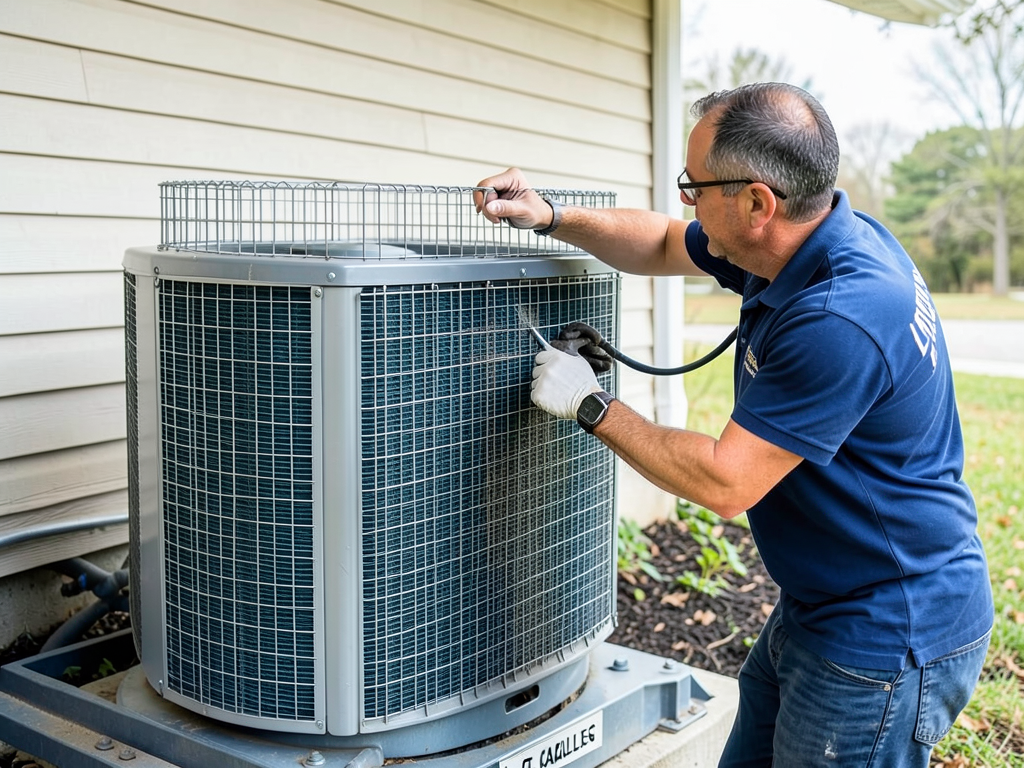
St. Charles homeowners face unique challenges when severe weather strikes. Your outdoor HVAC unit sits exposed to hail, high winds, lightning strikes, and flash flooding that can cause thousands of dollars in damage within minutes. This guide provides specific protection strategies for St. Louis-area weather patterns and shows you exactly what to do before, during, and after storms hit.
Understanding St. Louis Storm Threats to Your HVAC System
Missouri sits in Tornado Alley where spring and summer storms bring multiple threats to outdoor equipment. Hail damage alone costs St. Louis homeowners millions annually, with ice pellets often exceeding golf ball size during severe thunderstorms. High winds can topple units or send debris flying into condenser coils, while lightning strikes can destroy compressors through power surges. UL 1449 safety standards.
The St. Charles area experiences approximately 45 thunderstorm days per year, with May through July being the most active months. These storms often arrive with little warning, making preparation critical for protecting your investment.
Hail Damage: Protecting Your Outdoor Condenser
Hail creates microscopic fractures in aluminum fins that reduce heat exchange efficiency by up to 30 percent. These micro-cracks also allow refrigerant to escape slowly over time, leading to system failure months after the initial impact. A single hailstorm can reduce your unit’s lifespan by five years or more.
Hail guards made from powder-coated steel mesh provide the best protection. These guards attach directly to the condenser cabinet and deflect hailstones while allowing proper airflow. Quality guards meet NEMA 250 Type 4X standards for outdoor protection and typically cost $200 to $400 installed.
Foam hail blankets offer temporary protection but must be removed during operation. These blankets work well for units under trees or on covered patios where manual installation before storms is feasible. Never use plastic tarps as they trap heat and can cause compressor failure. Top Rated AC Installation Companies Serving Ladue and Clayton.
Diagnostic Tip: After hail events, inspect fins with a flashlight. Damaged fins appear dented or have visible cracks. Run your hand across the surface – if you feel rough edges or see aluminum shavings, your unit needs professional evaluation.
Power Surges and Lightning: The Role of Whole-Home Surge Protectors
Lightning strikes within a mile of your home can send 20,000+ volts through your electrical system. Standard power strips offer no protection against these surges. HVAC systems require Type 2 surge protective devices (SPDs) installed at the main electrical panel for complete protection.
Whole-home SPDs meet UL 1449 safety standards and provide multiple layers of protection. The first stage blocks external surges from utility lines, while the second stage protects against internal surges from your home’s appliances. These devices typically last 3-5 years before requiring replacement.
Point-of-use protectors installed directly at the HVAC disconnect switch add another layer of defense. These devices monitor voltage and disconnect power during extreme fluctuations, preventing compressor damage. Look for units with LED status indicators showing protection status.
Safety Warning: Never attempt to inspect electrical components after storms. Damaged wiring can hold lethal charges even when power appears off. Contact a licensed electrician if you suspect surge damage.
High Winds and Tornado Safety for Roof-Mounted Units
Roof-mounted HVAC units face unique risks during high-wind events. Standard mounting brackets often fail under tornado-force winds exceeding 100 mph. Hurricane straps and reinforced mounting bases prevent units from becoming airborne projectiles that can destroy property and injure people.
St. Louis County building codes require specific anchoring for commercial rooftop units, but residential installations often lack adequate reinforcement. Adding steel mounting brackets and concrete ballast increases stability by 300 percent or more. These upgrades typically cost $500 to $800 but prevent catastrophic damage. Commercial Heating Services.
Clearance around units matters during storms. Keep at least three feet of space free from loose objects that can become projectiles. Secure outdoor furniture, grills, and children’s toys before severe weather arrives.
Post-Storm Check: Inspect mounting bolts for rust or corrosion. Loose bolts allow units to shift slightly during operation, causing vibration damage over time. Tighten all connections and replace any rusted hardware.
Pre-Storm Checklist: 5 Steps to Take Now
Preparation prevents damage and speeds recovery after storms pass. Follow this checklist before severe weather arrives:
- Clear Debris and Vegetation
Remove leaves, branches, and grass clippings from around your unit. Debris blocks airflow and can be sucked into fans during operation. Trim back bushes to maintain three-foot clearance on all sides.
- Check and Clean Drain Lines
Clogged condensate drains cause water backup that can flood electrical components. Flush lines with vinegar solution and ensure proper drainage slope away from your foundation.
- Inspect Refrigerant Lines
Look for signs of oil residue around connections, which indicates leaks. Loose lines can vibrate free during storms. Secure all connections with proper insulation and weatherproof tape.
- Test Surge Protection
Verify your whole-home SPD status lights show proper operation. Replace any units with warning indicators. Test HVAC disconnect switch operation to ensure quick power shutoff capability.
- Document Current Condition
Take photos of your unit from multiple angles. Document any existing damage or wear. This baseline helps with insurance claims if new damage occurs.
Golden Nugget: St. Charles soil contains high clay content that expands when wet, potentially shifting concrete pads. Check pad level every spring – even a one-inch tilt can cause compressor strain and premature failure.
Post-Storm Inspection: How to Spot Hidden Damage
Storm damage isn’t always visible. Refrigerant leaks, electrical shorts, and motor stress often appear days or weeks after the initial impact. Proper inspection prevents minor issues from becoming major failures.
Start with a visual inspection from at least ten feet away. Look for bent fins, damaged panels, or displaced components. Check for standing water around the base and ensure drain lines flow freely. Listen for unusual noises when the system starts – grinding or clicking sounds indicate mechanical problems.
Diagnostic Process: Feel the copper refrigerant lines after the system runs for fifteen minutes. The larger line should feel cold to the touch, while the smaller line stays warm. If both lines feel the same temperature, your system may have lost refrigerant due to storm damage.
Check electrical connections for signs of burning or corrosion. Storm surges can cause arcing that damages terminals without tripping breakers. Look for melted wire insulation or discolored metal components.
Professional Testing Required: Only certified technicians should test refrigerant levels, check electrical grounding, or inspect internal components. DIY testing can void warranties and create safety hazards.
When to Call a St. Louis HVAC Professional
Certain storm damage requires immediate professional attention. Call (314) 417-7771 if you notice any of these warning signs: Why Professional Air Duct Cleaning is Essential for Wildwood Homes.
- Unit fails to start after power restoration
- Unusual burning smells from vents or outdoor unit
- Visible ice buildup on coils during summer operation
- Water pooling inside the unit or near electrical components
- Thermostat displays error codes or loses power
Emergency response matters most in the hours following severe weather. Quick diagnosis prevents secondary damage from refrigerant leaks or electrical shorts. Keystone HVAC provides 24/7 emergency service throughout St. Charles and the greater St. Louis area. Emergency AC Repair in Creve Coeur That Won’t Break the Bank.
Cost Consideration: Surge protector replacement typically costs $150 to $300, while compressor replacement runs $1,500 to $2,500. Protection always costs less than repairs.
Comparison of Storm Protection Options
| Protection Type | Initial Cost | Coverage | Lifespan | Best For |
|---|---|---|---|---|
| Hail Guards | $200-400 | Physical impact | 10-15 years | Hail-prone areas |
| Whole-Home SPD | $300-500 | Electrical surges | 3-5 years | All homes |
| Mounting Reinforcement | $500-800 | Wind damage | 15-20 years | Roof-mounted units |
| Condensate Pump | $250-400 | Flood protection | 5-8 years | Low-lying areas |
Frequently Asked Questions
What should I do if my AC unit is flooded?
Immediately shut off power at the main breaker and outdoor disconnect. Do not attempt to restart the unit. Water in electrical components creates shock hazards and can destroy compressors. Call a professional for inspection and drying procedures.
How can I tell if hail damaged my condenser?
Look for dented or bent fins on the exterior coil. Shine a flashlight through the unit – if you see cracks or holes in the fins, damage occurred. Professional testing with a fin comb can restore airflow in minor cases.
Does homeowners insurance cover storm damage to HVAC systems?
Most policies cover sudden damage from covered perils like hail, lightning, and wind. However, wear-and-tear or lack of maintenance typically isn’t covered. Document damage with photos and keep receipts for any emergency repairs.
How often should I replace my surge protector?
Replace whole-home SPDs every 3-5 years or after any direct lightning strike. Point-of-use protectors should be replaced annually or when indicator lights show failure. Regular replacement ensures continuous protection.
Can I install hail guards myself?
While DIY installation is possible, professional installation ensures proper fit and maintains manufacturer warranties. Incorrect installation can reduce airflow and efficiency. Professional installation also includes proper grounding and weather sealing.
Local Resource: St. Charles County Emergency Management recommends registering for weather alerts through the National Weather Service and keeping emergency contact numbers readily available.
Protecting your HVAC system requires understanding local weather patterns and taking proactive steps before storms arrive. The cost of prevention is always less than the cost of repairs or replacement. Don’t wait until the next severe weather warning to secure your home’s comfort system. The Best Local Furnace Replacement Options for Kirkwood Families.
Take Action Now: Call (314) 417-7771 today to schedule your pre-storm HVAC inspection. Our certified technicians will evaluate your current protection measures and recommend specific upgrades for your St. Charles home. Don’t let the next storm catch you unprepared.
{
“@context”: “https://schema.org”,
“@type”: “BlogPosting”,
“headline”: “Protecting Your Outdoor HVAC Unit from Severe Storm Damage in St. Charles”,
“description”: “Learn how to protect your outdoor HVAC unit from Missouri storms with expert tips on hail guards, surge protection, and post-storm inspections from Keystone HVAC.”,
“wordCount”: 1599,
“datePublished”: “2026-04-11T07:59:00.000Z”,
“dateModified”: “2026-04-11T07:59:00.000Z”,
“inLanguage”: “en-US”,
“mainEntityOfPage”: {
“@type”: “WebPage”,
“@id”: “https://keystonehvacstlouis.com”
},
“publisher”: {
“@type”: “LocalBusiness”,
“name”: “Keystone HVAC St. Louis”,
“url”: “https://keystonehvacstlouis.com”
},
“author”: {
“@type”: “Organization”,
“name”: “Keystone HVAC St. Louis”,
“url”: “https://keystonehvacstlouis.com”
},
“image”: {
“@type”: “ImageObject”,
“url”: “https://keystonehvacstlouis.com/wp-content/uploads/2026/03/protecting-your-outdoor-hvac-unit-from-severe-stor-1.png”
}
}
{
“@context”: “https://schema.org”,
“@type”: “HVACBusiness”,
“name”: “Keystone HVAC St. Louis”,
“url”: “https://keystonehvacstlouis.com”,
“address”: {
“@type”: “PostalAddress”,
“addressLocality”: “St. Louis”
},
“areaServed”: {
“@type”: “City”,
“name”: “St. Louis”
}
}
{
“@context”: “https://schema.org”,
“@type”: “FAQPage”,
“mainEntity”: [
{
“@type”: “Question”,
“name”: “What should I do if my AC unit is flooded?”,
“acceptedAnswer”: {
“@type”: “Answer”,
“text”: “Immediately shut off power at the main breaker and outdoor disconnect. Do not attempt to restart the unit. Water in electrical components creates shock hazards and can destroy compressors. Call a professional for inspection and drying procedures.”
}
},
{
“@type”: “Question”,
“name”: “How can I tell if hail damaged my condenser?”,
“acceptedAnswer”: {
“@type”: “Answer”,
“text”: “Look for dented or bent fins on the exterior coil. Shine a flashlight through the unit – if you see cracks or holes in the fins, damage occurred. Professional testing with a fin comb can restore airflow in minor cases.”
}
},
{
“@type”: “Question”,
“name”: “Does homeowners insurance cover storm damage to HVAC systems?”,
“acceptedAnswer”: {
“@type”: “Answer”,
“text”: “Most policies cover sudden damage from covered perils like hail, lightning, and wind. However, wear-and-tear or lack of maintenance typically isn’t covered. Document damage with photos and keep receipts for any emergency repairs.”
}
},
{
“@type”: “Question”,
“name”: “How often should I replace my surge protector?”,
“acceptedAnswer”: {
“@type”: “Answer”,
“text”: “Replace whole-home SPDs every 3-5 years or after any direct lightning strike. Point-of-use protectors should be replaced annually or when indicator lights show failure. Regular replacement ensures continuous protection.”
}
},
{
“@type”: “Question”,
“name”: “Can I install hail guards myself?”,
“acceptedAnswer”: {
“@type”: “Answer”,
“text”: “While DIY installation is possible, professional installation ensures proper fit and maintains manufacturer warranties. Incorrect installation can reduce airflow and efficiency. Professional installation also includes proper grounding and weather sealing.”
}
}
]
}
{
“@context”: “https://schema.org”,
“@type”: “HowTo”,
“name”: “Storm Preparation Steps”,
“step”: [
{
“@type”: “HowToStep”,
“position”: 1,
“name”: “Clear Debris and Vegetation”,
“text”: “Remove leaves, branches, and grass clippings from around your unit. Debris blocks airflow and can be sucked into fans during operation. Trim back bushes to maintain three-foot clearance on all sides.”
},
{
“@type”: “HowToStep”,
“position”: 2,
“name”: “Check and Clean Drain Lines”,
“text”: “Clogged condensate drains cause water backup that can flood electrical components. Flush lines with vinegar solution and ensure proper drainage slope away from your foundation.”
},
{
“@type”: “HowToStep”,
“position”: 3,
“name”: “Inspect Refrigerant Lines”,
“text”: “Look for signs of oil residue around connections, which indicates leaks. Loose lines can vibrate free during storms. Secure all connections with proper insulation and weatherproof tape.”
},
{
“@type”: “HowToStep”,
“position”: 4,
“name”: “Test Surge Protection”,
“text”: “Verify your whole-home SPD status lights show proper operation. Replace any units with warning indicators. Test HVAC disconnect switch operation to ensure quick power shutoff capability.”
},
{
“@type”: “HowToStep”,
“position”: 5,
“name”: “Document Current Condition”,
“text”: “Take photos of your unit from multiple angles. Document any existing damage or wear. This baseline helps with insurance claims if new damage occurs.”
}
],
“image”: “https://keystonehvacstlouis.com/wp-content/uploads/2026/03/protecting-your-outdoor-hvac-unit-from-severe-stor-1.png”
}
{
“@context”: “https://schema.org”,
“@type”: “BreadcrumbList”,
“itemListElement”: [
{
“@type”: “ListItem”,
“position”: 1,
“name”: “Home”,
“item”: “https://keystonehvacstlouis.com”
},
{
“@type”: “ListItem”,
“position”: 2,
“name”: “Blog”,
“item”: “https://keystonehvacstlouis.com/blog”
},
{
“@type”: “ListItem”,
“position”: 3,
“name”: “Protecting Your Outdoor HVAC Unit from Severe Storm Damage in St. Charles”
}
]
}
{
“@context”: “https://schema.org”,
“@type”: “Service”,
“serviceType”: “HVAC”,
“provider”: {
“@type”: “LocalBusiness”,
“name”: “Keystone HVAC St. Louis”,
“url”: “https://keystonehvacstlouis.com”
},
“areaServed”: {
“@type”: “City”,
“name”: “St. Louis”
},
“description”: “Learn how to protect your outdoor HVAC unit from Missouri storms with expert tips on hail guards, surge protection, and post-storm inspections from Keystone HVAC.”
}