
Pros and Cons of Solar Ready HVAC Systems for Homeowners in Crestwood
Solar-ready HVAC systems offer Crestwood homeowners a way to reduce energy bills while preparing for future solar panel installation. These systems work with your existing electrical grid but are designed to integrate seamlessly with photovoltaic panels when you’re ready to make the switch. The technology provides immediate efficiency gains while creating a pathway to energy independence. Energy Star heat pump efficiency standards.
Before investing in a solar-ready system, homeowners should understand both the advantages and limitations specific to the St. Louis climate and local utility policies. This guide breaks down everything you need to know about making this energy-efficient upgrade work for your Crestwood home. The Best Local Furnace Replacement Options for Kirkwood Families.
How Solar-Assisted HVAC Works in the Missouri Climate
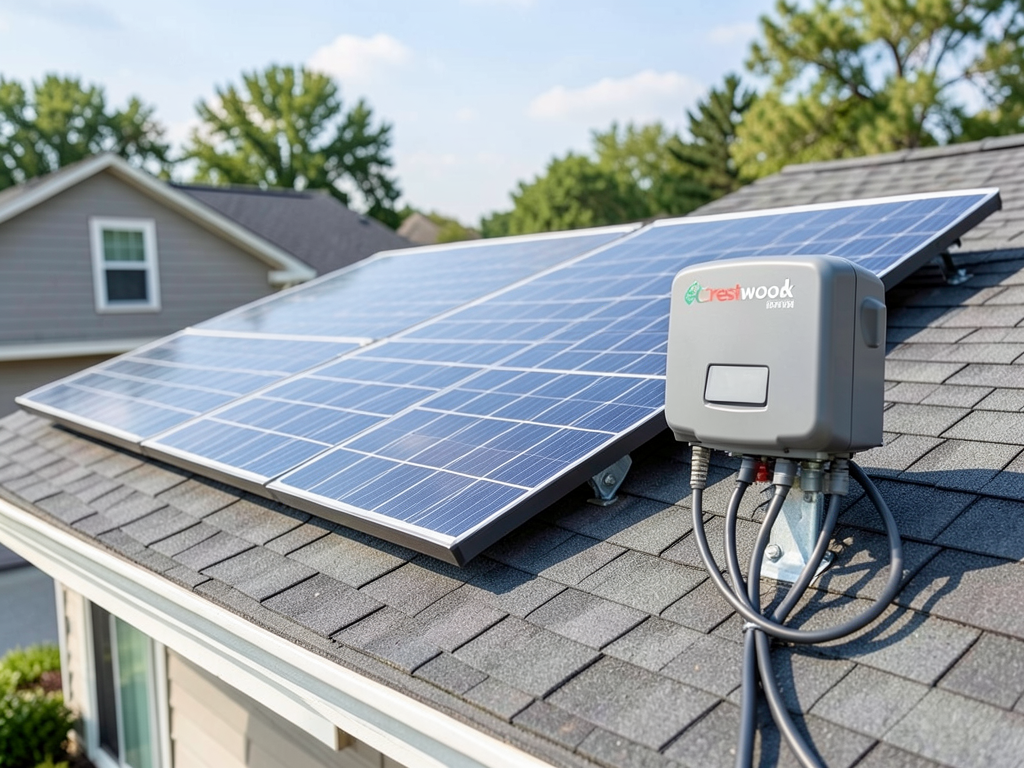
Solar-ready HVAC systems use high-efficiency heat pumps or air conditioners with variable-speed compressors that can operate on both traditional electricity and solar power. The systems include specialized controls that optimize energy usage based on available solar power throughout the day.
In Crestwood’s humid continental climate, these systems excel during summer months when cooling demands peak. The variable-speed technology allows the unit to ramp up or down based on solar availability, reducing strain on the electrical grid during hot July afternoons when Ameren Missouri experiences highest demand. Ameren Missouri Energy Efficiency Program.
During winter, solar-ready heat pumps still provide efficient heating even when sunlight is limited. Modern systems can extract heat from outdoor air at temperatures well below freezing, though they typically include electric resistance backup for the coldest St. Louis nights.. Read more about Heating and Cooling Ideas for New Backyard Cottages and ADUs in Maplewood.
The key advantage is that solar-ready equipment doesn’t require immediate solar panel installation. You can install the HVAC system now and add panels later when you’re ready to maximize your investment. Top Rated AC Installation Companies Serving Ladue and Clayton.
Benefits of Switching to Solar Air Conditioning and Heating
Energy savings represent the most immediate benefit for Crestwood homeowners. Solar-ready systems typically achieve 30-40% better efficiency than standard units, translating to hundreds of dollars in annual utility savings even before adding solar panels.
Environmental impact reduction appeals to many St. Louis County residents concerned about carbon emissions. A solar-ready system can cut your home’s carbon footprint by up to 50% when fully integrated with a solar array, helping Missouri move toward its renewable energy goals.
Property value increases often surprise homeowners. Studies show energy-efficient homes with solar-ready systems sell for 3-4% more than comparable properties, a significant advantage in Crestwood’s competitive real estate market.
Energy independence provides peace of mind during Missouri’s frequent summer thunderstorms and winter ice storms. When the grid goes down, a properly configured solar-ready system with battery backup can keep your home comfortable.
Ameren Missouri offers net metering programs that allow you to sell excess solar power back to the grid, creating potential credits on your utility bill year-round.
Costs, Incentives, and Federal Tax Credits for St. Louis Homeowners
Initial investment for solar-ready HVAC systems typically runs 15-25% higher than standard high-efficiency units. For a typical Crestwood home, expect to pay $6,000-$8,000 for the equipment alone, with total installed costs ranging from $12,000-$15,000 depending on your home’s specific requirements.
The Federal Investment Tax Credit (ITC) provides a 30% credit on both the solar-ready HVAC equipment and any solar panels you install. This means a $15,000 system could qualify for a $4,500 federal tax credit, significantly reducing your net cost.
Ameren Missouri offers additional rebates through their Energy Efficiency Program. Current incentives include up to $500 for high-efficiency heat pumps and $300 for smart thermostats when installed by participating contractors.
Missouri offers a property tax exemption for solar energy systems, meaning your home’s assessed value won’t increase due to the solar installation. This protects you from higher property taxes while enjoying the increased home value.
Local utility companies may offer time-of-use rates that further reduce costs when your system operates during off-peak hours. Check with Ameren Missouri about their current rate structures and solar integration programs.
Comparing Hybrid vs. Off-Grid Solar HVAC Solutions
Hybrid systems connect to both solar panels and the electrical grid, providing the most practical solution for most Crestwood homeowners. These systems automatically switch between power sources based on availability and demand, ensuring consistent comfort without requiring lifestyle changes.
Off-grid systems require substantial battery storage capacity to handle Missouri’s variable weather patterns. A typical off-grid setup needs 20-30 kWh of battery storage plus a backup generator for extended cloudy periods, significantly increasing both complexity and cost.
Hybrid advantages include lower upfront costs since you don’t need extensive battery storage. You also maintain grid reliability for times when solar production is insufficient, eliminating concerns about running out of power during heat waves or cold snaps.
Off-grid systems offer complete energy independence but require careful energy management. You must monitor weather forecasts, adjust usage patterns, and potentially sacrifice comfort during extended cloudy periods.
For most Crestwood residents, hybrid systems provide the best balance of cost, reliability, and environmental benefit. You can start with a smaller solar array and expand over time as your budget allows.
Is Your St. Louis Home a Candidate for Solar HVAC?
Roof orientation significantly impacts solar HVAC effectiveness. South-facing roofs with minimal shading provide optimal conditions, but modern solar panels can still generate substantial power from east or west-facing installations common in Crestwood’s established neighborhoods.
Older homes in historic districts may face additional permitting requirements. The St. Louis County Historic Preservation Commission requires approval for any exterior modifications, including solar panel installations on visible roof surfaces.
Tree coverage affects system performance throughout the year. While Crestwood’s mature trees provide summer shade that reduces cooling loads, they can also block sunlight from reaching solar panels. A professional site assessment can determine your specific shading patterns and energy potential. Why Professional Air Duct Cleaning is Essential for Wildwood Homes.
Electrical panel capacity matters for system integration. Homes built before 2000 may need electrical service upgrades to accommodate solar-ready HVAC systems and potential future solar panel additions.
Local building codes require specific clearances and mounting methods for outdoor equipment. St. Louis County Mechanical Code Section 1303 mandates minimum distances from property lines and proper condensate drainage to prevent foundation issues common in the area’s clay soil.
Frequently Asked Questions
How long do solar-ready HVAC systems last?
Quality solar-ready systems typically last 15-20 years with proper maintenance. The solar components themselves can last 25-30 years, allowing you to maximize your investment over time.
Can I install solar panels later if I start with just the HVAC system?
Yes, that’s one of the main advantages of solar-ready equipment. These systems are designed for future solar integration without requiring major modifications or replacements.
What maintenance do solar-ready systems require?
Regular maintenance includes annual professional tune-ups, monthly air filter changes, and occasional coil cleaning. Solar panels require minimal maintenance beyond keeping them free of debris and snow.
Will solar-ready HVAC work during power outages?
Standard grid-tied systems shut down during outages for safety. However, with battery backup or a specialized inverter, you can maintain operation during brief outages common in St. Louis’s storm season.
How much can I really save on my utility bills?
Most homeowners see 30-50% reductions in heating and cooling costs. When combined with solar panels, some Crestwood residents achieve near-zero energy bills during peak production months.
Making the Right Choice for Your Crestwood Home
Solar-ready HVAC systems represent a significant investment but offer compelling benefits for Crestwood homeowners looking to reduce energy costs and environmental impact. The technology has matured significantly, making it a reliable choice for Missouri’s climate. Finding a Reliable 24 Hour HVAC Technician in Chesterfield.
Consider your long-term plans when making this decision. If you plan to stay in your home for more than five years, the energy savings and potential tax benefits often justify the higher upfront costs compared to standard systems.
Local incentives make 2026 an excellent time to invest in energy-efficient HVAC technology. Federal tax credits, utility rebates, and property tax exemptions combine to reduce your net investment significantly.
Professional installation ensures your system meets all local codes and performs optimally in Crestwood’s specific conditions. Proper sizing, placement, and integration with your home’s existing systems are critical for maximizing efficiency and comfort.
Ready to explore solar-ready HVAC options for your Crestwood home? Call (314) 417-7771 today to schedule a free consultation and learn how you can start saving on energy costs while preparing for a solar-powered future.
Installation Process and Timeline
The installation process for solar-ready HVAC systems typically takes 1-2 days for the equipment itself. If you’re adding solar panels simultaneously, expect the entire project to span 2-3 weeks from initial assessment to final commissioning.
Site assessment represents the critical first step. A qualified technician evaluates your home’s energy usage patterns, roof orientation, electrical capacity, and existing HVAC infrastructure to design the optimal system configuration.
Permitting requirements vary by location within St. Louis County. Most installations require electrical permits, and if you’re adding solar panels, you may need building permits as well. Your contractor should handle all necessary paperwork and inspections.
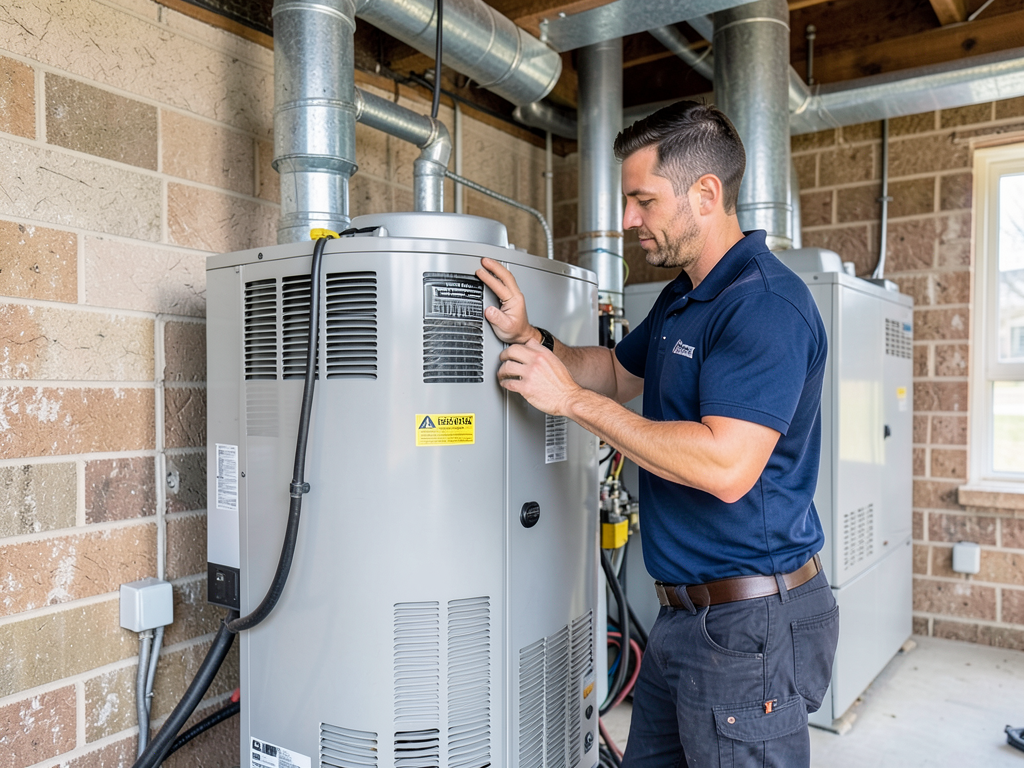
Installation day involves removing your old equipment, preparing the site for new components, and installing the solar-ready HVAC system. If you’re adding solar panels, that work typically occurs separately due to different crew specializations and equipment needs.
Final commissioning includes system testing, programming the smart controls, and ensuring proper integration with your home’s electrical system. The technician will demonstrate the system’s operation and help you understand the monitoring features.
Post-installation support is crucial for maximizing your investment. Most reputable contractors offer maintenance plans and 24/7 emergency service to keep your system running at peak efficiency. Emergency AC Repair in Creve Coeur That Won’t Break the Bank.
Energy Efficiency Ratings and What They Mean
SEER2 ratings measure cooling efficiency for air conditioners and heat pumps. Higher numbers indicate better efficiency, with modern solar-ready systems achieving SEER2 ratings of 18-22 compared to 14-16 for standard units.
HSPF2 ratings apply to heating efficiency for heat pumps. Solar-ready heat pumps typically achieve HSPF2 ratings of 9-10, providing excellent heating performance even in Missouri’s cold winters.
Energy Star certification indicates systems meeting strict efficiency guidelines set by the EPA. Solar-ready equipment often exceeds these standards, providing additional assurance of quality and performance.
Variable-speed technology allows these systems to operate at partial capacity when full power isn’t needed, dramatically reducing energy consumption during mild weather conditions common in spring and fall.
Smart controls learn your household patterns and automatically adjust operation to maximize efficiency while maintaining comfort. Many systems offer smartphone apps for remote monitoring and control.
Understanding these ratings helps you compare different solar-ready options and make informed decisions based on your specific energy needs and budget constraints.
Local Building Codes and Requirements
St. Louis County requires all HVAC installations to comply with the International Mechanical Code, with local amendments addressing specific regional concerns. Section 1303 covers mechanical system installation requirements, including minimum clearances and ventilation standards.
Historic district regulations in areas like Webster Groves and Clayton may restrict visible equipment placement. Solar panels on front-facing roofs often require special approval from preservation boards.
Electrical codes mandate proper grounding and surge protection for solar-integrated systems. NEC Article 690 specifically addresses solar photovoltaic system requirements, including conductor sizing and overcurrent protection.
Permitting typically takes 2-4 weeks, depending on your location within St. Louis County. Rush permits may be available for emergency replacements but cost more and don’t guarantee faster processing.
Post-installation inspections verify code compliance and proper system operation. Most jurisdictions require final inspections before activating grid-connected solar components.
Working with a contractor familiar with local requirements prevents costly mistakes and ensures your installation proceeds smoothly without unexpected delays or compliance issues.
Environmental Impact and Sustainability
Solar-ready HVAC systems significantly reduce greenhouse gas emissions compared to conventional equipment. A typical installation can prevent 3-5 tons of CO2 emissions annually, equivalent to planting 100 trees.
Manufacturing impacts are offset within 1-2 years of operation through energy savings. Modern solar panels have a carbon footprint of approximately 50 grams per kWh, compared to 450 grams for coal-generated electricity.
End-of-life recycling programs are available for both HVAC equipment and solar panels. Many manufacturers offer take-back programs to ensure responsible disposal and material recovery.
Water conservation benefits extend beyond energy savings. High-efficiency systems use less water for cooling tower operations and reduce the energy required for water treatment and distribution.
Local air quality improves as your system reduces reliance on fossil fuel power plants. St. Louis experiences ozone alerts during summer months, and every solar installation helps reduce the region’s overall emissions.
Community solar programs allow apartment dwellers and homeowners with unsuitable roofs to participate in renewable energy benefits, expanding the environmental impact beyond individual installations.
Financing Options and Payment Plans
Many contractors offer financing plans with terms ranging from 5-15 years. Monthly payments often equal or fall below your current energy savings, making the investment cash-flow positive from day one.
Home equity loans provide another financing avenue with potentially lower interest rates than unsecured loans. The interest may be tax-deductible if used for home improvements, including energy-efficient upgrades.
Solar-specific loans are available through banks and credit unions, often featuring favorable terms for renewable energy projects. Some programs offer rates as low as 3-4% for qualified borrowers.
Power purchase agreements allow you to install systems with little or no upfront cost, paying instead for the energy produced at rates typically below current utility prices.
Property Assessed Clean Energy (PACE) programs may be available in your area, allowing you to finance improvements through property tax assessments that spread payments over 10-20 years.
Consider the total cost of ownership when comparing financing options, including interest charges, potential energy savings, and available incentives that may affect your overall return on investment.
Performance in Missouri’s Seasonal Weather
Summer performance excels when properly sized systems handle Crestwood’s humid heat efficiently. Solar-ready equipment’s variable-speed operation prevents the short-cycling that reduces efficiency in conventional units during extreme heat.
Winter operation remains effective even during Missouri’s occasional sub-zero spells. Modern heat pumps extract usable heat from outdoor air at temperatures as low as -15°F, though efficiency decreases as temperatures drop.
Spring and fall transitional seasons provide optimal conditions for solar energy production. Mild temperatures reduce HVAC demand while abundant sunshine maximizes solar panel output.
Storm resilience matters in St. Louis’s tornado-prone region. Quality installations include surge protection and proper grounding to protect both HVAC and solar components from lightning strikes and power surges.
Humidity control capabilities prevent the mold and mildew issues common in Missouri homes. Variable-speed systems maintain more consistent indoor humidity levels than single-speed units that cycle on and off.
Understanding seasonal performance patterns helps you optimize system settings and maximize energy savings throughout the year.
Choosing the Right Contractor
Look for NATE-certified technicians with specific experience in solar-ready HVAC installations. Certification ensures technicians understand the complex integration between HVAC systems and solar power generation.
Verify licensing and insurance coverage. Missouri requires HVAC contractors to hold proper state licenses, and liability insurance protects you from potential damages during installation.
Check references and review portfolios of completed installations. Ask to see systems similar to what you’re considering and speak with past customers about their experiences.
Obtain multiple quotes but compare apples to apples. Ensure each contractor is quoting the same equipment quality, warranty terms, and scope of work.
Ask about warranty coverage. Quality contractors offer 10-year parts warranties and 1-2 year labor warranties on new installations, with extended options available for additional peace of mind.
Communication skills matter as much as technical expertise. Your contractor should explain options clearly, answer questions patiently, and keep you informed throughout the process.
Maximizing Your Investment
Proper system sizing prevents both undersized units that can’t maintain comfort and oversized units that waste energy through short cycling. Professional load calculations consider your home’s specific characteristics, not just square footage.
Smart thermostat integration enhances efficiency by learning your patterns and automatically adjusting temperatures based on occupancy, weather forecasts, and utility rate structures.
Regular maintenance preserves efficiency and prevents costly repairs. Annual professional tune-ups, monthly filter changes, and keeping outdoor units clear of debris can extend system life by 5-10 years.
Energy monitoring systems track performance in real-time, alerting you to efficiency drops that might indicate maintenance needs or system problems before they become major issues.
Consider future expansion when designing your initial system. Leaving space for additional solar panels or battery storage allows you to increase your renewable energy capacity as your needs evolve.
Understanding your energy usage patterns helps you optimize system operation. Many homeowners find they can shift discretionary loads to daylight hours when solar production is highest.
Future Trends and Technology
Emerging technologies promise even greater efficiency gains. Solid-state cooling systems, currently in development, could replace traditional compressors with devices that use no moving parts and achieve 50% better efficiency.
Artificial intelligence integration allows systems to predict weather patterns and adjust operation proactively. Machine learning algorithms can optimize energy usage based on your household’s specific patterns and preferences.
Battery technology improvements continue to reduce costs while increasing storage capacity. Within five years, home battery systems could become standard equipment for solar-ready installations, providing true energy independence.
Vehicle-to-home integration will allow electric vehicle batteries to serve as backup power sources during outages, creating a more resilient home energy system.
Community microgrids may emerge in St. Louis suburbs, allowing neighborhoods to share renewable energy resources and provide mutual support during grid outages.
Staying informed about these developments helps you make decisions that position your home for future energy innovations while maximizing your current investment.
Getting Started with Your Solar-Ready HVAC Project
Begin with a professional energy audit to understand your current usage patterns and identify opportunities for improvement. Many utilities offer free or discounted audits to customers considering energy-efficient upgrades.
Research available incentives through Ameren Missouri’s website and the Database of State Incentives for Renewables and Efficiency (DSIRE). Incentive programs change frequently, so verify current offerings before making decisions.
Develop a realistic budget that includes equipment, installation, permits, and potential electrical upgrades. Don’t forget to factor in available tax credits and rebates that can significantly reduce your net cost.
Schedule consultations with multiple qualified contractors to compare approaches and pricing. Pay attention to how thoroughly each contractor assesses your home and explains their recommendations.
Review contracts carefully before signing. Ensure all promises about equipment, warranties, and timelines are documented in writing to prevent misunderstandings later.
Ready to take the next step toward energy independence? Call (314) 417-7771 today to schedule your free consultation and learn how solar-ready HVAC can transform your Crestwood home’s comfort and efficiency.
[IMAGE_PLACEHOLDER_3>
{
“@context”: “https://schema.org”,
“@type”: “BlogPosting”,
“headline”: “Pros and Cons of Solar Ready HVAC Systems for Homeowners in Crestwood”,
“description”: “Discover the benefits and drawbacks of solar-ready HVAC systems in Crestwood. Learn about energy savings, costs, and local incentives for St. Louis homeowners.”,
“wordCount”: 3100,
“datePublished”: “2026-04-26T14:34:00.000Z”,
“dateModified”: “2026-04-26T14:34:00.000Z”,
“inLanguage”: “en-US”,
“mainEntityOfPage”: {
“@type”: “WebPage”,
“@id”: “https://keystonehvacstlouis.com”
},
“publisher”: {
“@type”: “LocalBusiness”,
“name”: “Keystone HVAC St. Louis”,
“url”: “https://keystonehvacstlouis.com”
},
“author”: {
“@type”: “Organization”,
“name”: “Keystone HVAC St. Louis”,
“url”: “https://keystonehvacstlouis.com”
},
“image”: {
“@type”: “ImageObject”,
“url”: “https://keystonehvacstlouis.com/wp-content/uploads/2026/03/pros-and-cons-of-solar-ready-hvac-systems-for-home-1.png”
}
}
{
“@context”: “https://schema.org”,
“@type”: “HVACBusiness”,
“name”: “Keystone HVAC St. Louis”,
“url”: “https://keystonehvacstlouis.com”,
“address”: {
“@type”: “PostalAddress”,
“addressLocality”: “St. Louis”
},
“areaServed”: {
“@type”: “City”,
“name”: “St. Louis”
}
}
{
“@context”: “https://schema.org”,
“@type”: “FAQPage”,
“mainEntity”: [
{
“@type”: “Question”,
“name”: “Is Your St. Louis Home a Candidate for Solar HVAC?”,
“acceptedAnswer”: {
“@type”: “Answer”,
“text”: “Roof orientation significantly impacts solar HVAC effectiveness. South-facing roofs with minimal shading provide optimal conditions, but modern solar panels can still generate substantial power from east or west-facing installations common in Crestwood’s established neighborhoods.”
}
},
{
“@type”: “Question”,
“name”: “How long do solar-ready HVAC systems last?”,
“acceptedAnswer”: {
“@type”: “Answer”,
“text”: “Quality solar-ready systems typically last 15-20 years with proper maintenance. The solar components themselves can last 25-30 years, allowing you to maximize your investment over time.”
}
},
{
“@type”: “Question”,
“name”: “Can I install solar panels later if I start with just the HVAC system?”,
“acceptedAnswer”: {
“@type”: “Answer”,
“text”: “Yes, that’s one of the main advantages of solar-ready equipment. These systems are designed for future solar integration without requiring major modifications or replacements.”
}
},
{
“@type”: “Question”,
“name”: “What maintenance do solar-ready systems require?”,
“acceptedAnswer”: {
“@type”: “Answer”,
“text”: “Regular maintenance includes annual professional tune-ups, monthly air filter changes, and occasional coil cleaning. Solar panels require minimal maintenance beyond keeping them free of debris and snow.”
}
},
{
“@type”: “Question”,
“name”: “Will solar-ready HVAC work during power outages?”,
“acceptedAnswer”: {
“@type”: “Answer”,
“text”: “Standard grid-tied systems shut down during outages for safety. However, with battery backup or a specialized inverter, you can maintain operation during brief outages common in St. Louis’s storm season.”
}
},
{
“@type”: “Question”,
“name”: “How much can I really save on my utility bills?”,
“acceptedAnswer”: {
“@type”: “Answer”,
“text”: “Most homeowners see 30-50% reductions in heating and cooling costs. When combined with solar panels, some Crestwood residents achieve near-zero energy bills during peak production months.”
}
}
]
}
{
“@context”: “https://schema.org”,
“@type”: “BreadcrumbList”,
“itemListElement”: [
{
“@type”: “ListItem”,
“position”: 1,
“name”: “Home”,
“item”: “https://keystonehvacstlouis.com”
},
{
“@type”: “ListItem”,
“position”: 2,
“name”: “Blog”,
“item”: “https://keystonehvacstlouis.com/blog”
},
{
“@type”: “ListItem”,
“position”: 3,
“name”: “Pros and Cons of Solar Ready HVAC Systems for Homeowners in Crestwood”
}
]
}
{
“@context”: “https://schema.org”,
“@type”: “Service”,
“serviceType”: “HVAC”,
“provider”: {
“@type”: “LocalBusiness”,
“name”: “Keystone HVAC St. Louis”,
“url”: “https://keystonehvacstlouis.com”
},
“areaServed”: {
“@type”: “City”,
“name”: “St. Louis”
},
“description”: “Discover the benefits and drawbacks of solar-ready HVAC systems in Crestwood. Learn about energy savings, costs, and local incentives for St. Louis homeowners.”
}