
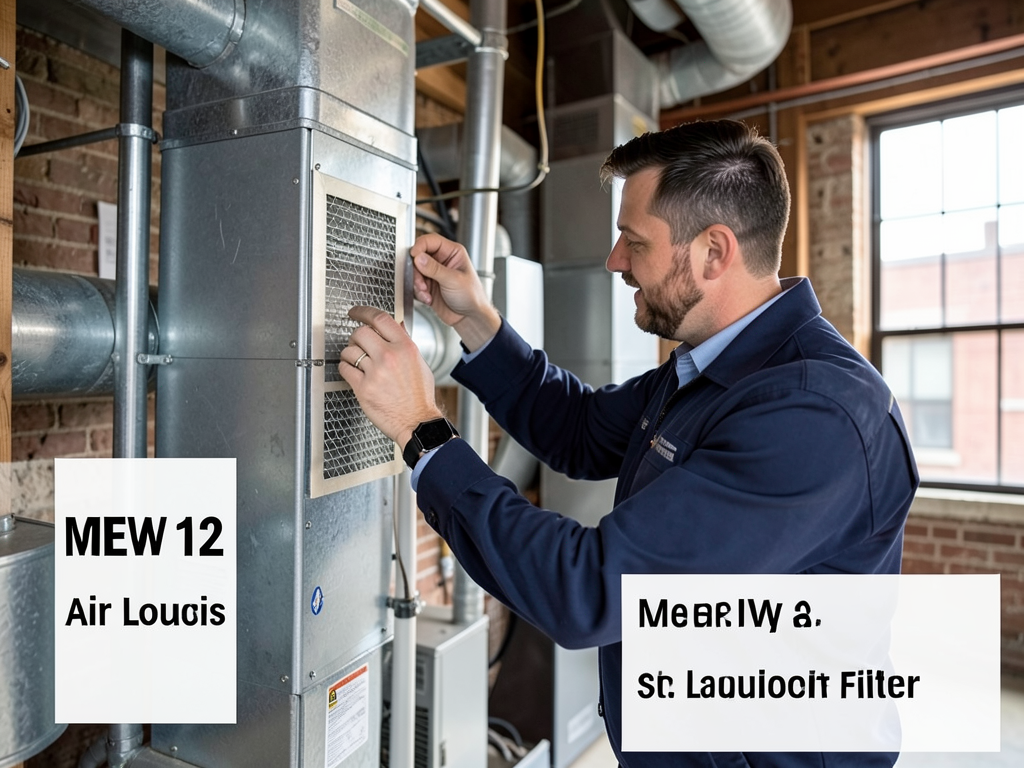
Keeping Wildfire Smoke and Urban Smog Out of Your Downtown St. Louis Loft
Wildfire smoke from Canadian fires and urban smog from downtown traffic can turn your loft’s air quality from fresh to hazardous in hours. The fine particles in wildfire smoke, especially PM2.5, are small enough to slip through standard HVAC filters and settle deep in your lungs. In St. Louis, we’ve seen AQI readings spike above 150 during wildfire events, triggering health warnings for everyone, not just sensitive groups. Your loft’s large windows and open floor plans, while beautiful, can also let in more pollutants if not properly sealed.
The good news is that with the right filtration system and some smart habits, you can maintain healthy indoor air even when outdoor conditions deteriorate. This guide covers exactly what happens to your HVAC system during smoke events, which upgrades actually work, and how to protect your space without sacrificing comfort.
Understanding PM2.5 and Why Standard Filters Fail
Wildfire smoke contains particulate matter smaller than 2.5 microns. These particles are about 30 times smaller than a human hair and can pass right through standard MERV 8 filters. When smoke settles in St. Louis, you might notice a campfire smell or see haze even indoors. Your HVAC system, designed for dust and pollen, struggles with this dense particulate load.
Standard filters work by trapping particles as air passes through. But PM2.5 moves differently than household dust. It stays suspended longer and can bypass filters entirely if there are any gaps in the filter frame or ductwork. During heavy smoke events, your system’s blower motor works harder, potentially shortening its lifespan if not properly maintained.
Golden Nugget #1: The St. Louis Metropolitan Area sits in a valley where temperature inversions trap pollutants near the ground. This means smoke and smog can linger for days, not hours, making filtration even more critical than in other regions.
Immediate Actions When Smoke Hits Downtown
When AQI alerts pop up on your phone, take these steps right away. First, switch your HVAC fan from “Auto” to “On.” This keeps air circulating through your filters continuously instead of just when heating or cooling cycles run. Next, check all windows and doors for drafts. Even small gaps let in significant amounts of polluted air. Commercial Heating Services.
Create a temporary clean room by sealing off one space with painter’s tape around doors and windows. Use a box fan with a MERV 13 filter taped to the back as a makeshift air purifier. This won’t replace a whole-home system but can provide relief in your bedroom or home office.
Monitor your HVAC filter closely during smoke events. A filter that normally lasts three months might need replacement in three weeks when dealing with wildfire particulates. The filter will look dark gray or black when it’s saturated.
Golden Nugget #2: During the 2023 Canadian wildfire season, St. Louis saw PM2.5 levels spike to 180 micrograms per cubic meter, over 12 times the EPA’s safe level. Homes with MERV 13+ filtration maintained indoor AQI readings 70-80% lower than outdoor levels.
HVAC Upgrades That Actually Block Smoke
Not all air quality upgrades are created equal. Here’s what works and what doesn’t when it comes to wildfire smoke:
| Filter Type | Smoke Removal Efficiency | Impact on HVAC System |
|---|---|---|
| MERV 8 (Standard) | 20-30% | Minimal strain |
| MERV 11 | 50-60% | Slight airflow reduction |
| MERV 13+ | 85-95% | Moderate airflow reduction |
| HEPA Bypass | 99.97% | Requires dedicated system |
Moving to MERV 13 filters is the most cost-effective upgrade for most lofts. These filters capture particles as small as 0.3 microns, which includes most wildfire smoke components. The trade-off is slightly reduced airflow, so you’ll want a technician to verify your system can handle the upgrade.
For maximum protection, consider a whole-home air purifier that mounts beside your HVAC unit. Systems like the iWave or REME Halo use ionization to make particles clump together, making them easier for your filter to capture. These units also neutralize some of the gases and odors that accompany smoke. Air Purification Systems.
Golden Nugget #3: The International Mechanical Code Section 403.2.1 requires mechanical ventilation in all new residential construction. This means your loft likely has a fresh air intake that can be closed during smoke events to prevent outdoor air from entering.
Mechanical Ventilation: When to Close It and When to Open It
Your loft’s ventilation system is designed to bring in fresh air year-round. During smoke events, this becomes a liability. Most modern systems have a damper that can be closed to stop outdoor air intake. If you’re unsure, check your system manual or have a technician show you the ventilation controls.
Energy Recovery Ventilators (ERVs) offer a smart solution. These units exchange heat and moisture between incoming and outgoing air but can be equipped with high-efficiency filters that block smoke while still providing fresh air exchange. During clean air days, your ERV provides energy-efficient ventilation. During smoke events, you can close the outdoor air damper.
Post-smoke maintenance is crucial. Wildfire particulates can coat your evaporator coil and ductwork, reducing efficiency and potentially causing odors. Schedule a professional cleaning after major smoke events to remove this buildup.
Learn more about how smoke affects your ductwork
Creating Your Loft’s Smoke Defense System
Start with a professional HVAC assessment. A technician can measure your system’s static pressure, verify filter compatibility, and check for duct leaks that let smoke in. Many downtown lofts have older duct systems with gaps that need sealing.
Install a smart air quality monitor that tracks indoor AQI. These devices alert you when smoke levels rise, often before you can see or smell it. Some integrate with smart thermostats to automatically adjust your HVAC settings during air quality events.
Consider zoned air purification for large open spaces. Your loft’s kitchen and living areas might need different filtration strategies than bedrooms. Portable HEPA units can supplement your main system in high-traffic areas. EPA Air Research.
See how whole-home systems protect larger spaces
Post-Smoke Event Maintenance Checklist
After smoke clears, your HVAC system needs attention. Replace all filters, even if they don’t look completely saturated. Smoke particles can embed deep in filter media, reducing effectiveness for the next event.
Check your evaporator coil for soot buildup. This black film reduces heat exchange efficiency and can cause your system to freeze up. A professional coil cleaning removes this residue and restores performance.
Inspect your ductwork for smoke odor. If you notice a campfire smell when your system runs, particulates may have settled in your ducts. Professional duct cleaning can eliminate these odors and prevent them from circulating through your home.
Test your system’s static pressure. Smoke events can strain blower motors, and you want to catch any performance issues before they become failures. Most HVAC companies offer post-smoke inspections at reduced rates.
Frequently Asked Questions
How often should I replace my filter during wildfire season?
Check your filter every two weeks during active smoke events. Replace when it appears dark gray or black, which could be every 2-4 weeks instead of the usual 3 months.
Can I just open windows when the smoke clears?
Wait 24-48 hours after AQI readings return to healthy levels. Smoke particles settle on surfaces and can be stirred back into the air when you open windows too soon.
Will a higher MERV rating damage my HVAC system?
MERV 13 is safe for most modern systems. MERV 14-16 may require system modifications. A professional assessment can determine your system’s capabilities.
How do I know if my loft has mechanical ventilation?
Look for a fresh air intake vent, usually near your HVAC unit. If you’re unsure, check your building plans or ask your HVAC technician during your next service visit.
Take Control of Your Indoor Air Quality Today
Wildfire smoke and urban smog don’t have to compromise your loft’s air quality. With the right filtration system, smart ventilation controls, and regular maintenance, you can breathe easy even when outdoor conditions deteriorate. The key is preparation before the next smoke event hits St. Louis.
Don’t wait until you see haze in your living room to act. A professional assessment can identify vulnerabilities in your current system and recommend cost-effective upgrades that provide immediate protection. Many solutions can be installed in a single day, giving you peace of mind before the next air quality alert.
Call (314) 417-7771 today to schedule your indoor air quality assessment. Our technicians understand the unique challenges of downtown loft living and can recommend solutions that protect your space without sacrificing comfort or efficiency.
Pick up the phone and call (314) 417-7771 before the next smoke event hits. Your health and comfort are worth the investment. For more information, visit ASHRAE Technical Resources.
{
“@context”: “https://schema.org”,
“@type”: “BlogPosting”,
“headline”: “Keeping Wildfire Smoke and Urban Smog Out of Your Downtown St. Louis Loft”,
“description”: “Protect your St. Louis loft from wildfire smoke and urban smog with MERV 13+ filters, HEPA systems, and ERVs. Call (314) 417-7771 for expert air quality solutions.”,
“wordCount”: 1448,
“datePublished”: “2026-06-04T15:59:00.000Z”,
“dateModified”: “2026-06-04T15:59:00.000Z”,
“inLanguage”: “en-US”,
“mainEntityOfPage”: {
“@type”: “WebPage”,
“@id”: “https://keystonehvacstlouis.com”
},
“publisher”: {
“@type”: “LocalBusiness”,
“name”: “Keystone HVAC St. Louis”,
“url”: “https://keystonehvacstlouis.com”
},
“author”: {
“@type”: “Organization”,
“name”: “Keystone HVAC St. Louis”,
“url”: “https://keystonehvacstlouis.com”
},
“image”: {
“@type”: “ImageObject”,
“url”: “https://keystonehvacstlouis.com/wp-content/uploads/2026/03/keeping-wildfire-smoke-and-urban-smog-out-of-your-1.png”
}
}
{
“@context”: “https://schema.org”,
“@type”: “HVACBusiness”,
“name”: “Keystone HVAC St. Louis”,
“url”: “https://keystonehvacstlouis.com”,
“address”: {
“@type”: “PostalAddress”,
“addressLocality”: “St. Louis”
},
“areaServed”: {
“@type”: “City”,
“name”: “St. Louis”
}
}
{
“@context”: “https://schema.org”,
“@type”: “FAQPage”,
“mainEntity”: [
{
“@type”: “Question”,
“name”: “How often should I replace my filter during wildfire season?”,
“acceptedAnswer”: {
“@type”: “Answer”,
“text”: “Check your filter every two weeks during active smoke events. Replace when it appears dark gray or black, which could be every 2-4 weeks instead of the usual 3 months.”
}
},
{
“@type”: “Question”,
“name”: “Can I just open windows when the smoke clears?”,
“acceptedAnswer”: {
“@type”: “Answer”,
“text”: “Wait 24-48 hours after AQI readings return to healthy levels. Smoke particles settle on surfaces and can be stirred back into the air when you open windows too soon.”
}
},
{
“@type”: “Question”,
“name”: “Will a higher MERV rating damage my HVAC system?”,
“acceptedAnswer”: {
“@type”: “Answer”,
“text”: “MERV 13 is safe for most modern systems. MERV 14-16 may require system modifications. A professional assessment can determine your system’s capabilities.”
}
}
]
}
{
“@context”: “https://schema.org”,
“@type”: “BreadcrumbList”,
“itemListElement”: [
{
“@type”: “ListItem”,
“position”: 1,
“name”: “Home”,
“item”: “https://keystonehvacstlouis.com”
},
{
“@type”: “ListItem”,
“position”: 2,
“name”: “Blog”,
“item”: “https://keystonehvacstlouis.com/blog”
},
{
“@type”: “ListItem”,
“position”: 3,
“name”: “Keeping Wildfire Smoke and Urban Smog Out of Your Downtown St. Louis Loft”
}
]
}
{
“@context”: “https://schema.org”,
“@type”: “Service”,
“serviceType”: “HVAC”,
“provider”: {
“@type”: “LocalBusiness”,
“name”: “Keystone HVAC St. Louis”,
“url”: “https://keystonehvacstlouis.com”
},
“areaServed”: {
“@type”: “City”,
“name”: “St. Louis”
},
“description”: “Protect your St. Louis loft from wildfire smoke and urban smog with MERV 13+ filters, HEPA systems, and ERVs. Call (314) 417-7771 for expert air quality solutions.”
}