
Distinguishing Sewer Smells from HVAC Issues in Your Skinker DeBaliviere Basement
Basement odors can signal anything from a simple dry P-trap to a cracked heat exchanger. In Skinker DeBaliviere’s mix of historic brick homes and aging plumbing, these smells often cross boundaries between sewer and HVAC systems. This guide helps you identify the source quickly so you can take the right action before the problem escalates. Air Purification Systems.
Safety First: When to Evacuate Immediately
Certain smells demand immediate evacuation. If you detect rotten eggs or sulfur, natural gas is leaking. Mercaptan, the additive that gives gas its distinctive odor, signals danger. Open windows, leave the house, and call the gas company from outside. Burning electrical smells or carbon monoxide alarms also require immediate action. Don’t investigate these yourself—call 911 or your utility provider.
Carbon monoxide has no odor but can cause headaches, dizziness, and nausea. Install detectors on every level of your home, especially near sleeping areas. Test them monthly and replace batteries annually.
Common Basement Odor Sources and Their Characteristics
Understanding what you’re smelling helps pinpoint the source. Here’s a diagnostic breakdown of the most frequent basement odors:
| Smell Description | Color/Visual Cue | Common Sources | Urgency Level |
|---|---|---|---|
| Rotten eggs/sulfur | None | Natural gas leak | Immediate evacuation |
| Musty/moldy | Dark spots on walls | Moisture, poor ventilation | Schedule inspection |
| Sewage | Water backing up | Dry P-traps, broken seals | Address within 24 hours |
| Electrical burning | Discolored outlets | Overloaded circuits | Immediate shutdown |
Sewage Smells: Plumbing Problems in Historic Homes
Sewage odors typically indicate plumbing issues. In Skinker DeBaliviere’s older homes, common culprits include dry P-traps, cracked sewer lines, or failed wax seals on toilets. P-traps dry out when fixtures aren’t used regularly, allowing sewer gases to enter living spaces.
Check floor drains first. Pour water down unused drains to refill P-traps. If the smell persists after 24 hours, you may have a cracked sewer line or damaged plumbing vent. These issues require professional inspection since they can cause structural damage and health hazards. Why Professional Air Duct Cleaning is Essential for Wildwood Homes.
HVAC Odors: When Your System Is the Culprit
HVAC systems produce distinct smells that differ from sewage. Musty odors often indicate mold growth in ductwork or on evaporator coils. This occurs when condensation doesn’t drain properly or when humidity levels remain high.
Electrical burning smells from your HVAC unit suggest motor bearing failure or wiring problems. A sweet, chemical odor might indicate refrigerant leaks. Both require immediate professional attention since they can lead to system failure or safety hazards.
According to the EPA’s Indoor Air Quality guidelines, proper ventilation and regular maintenance prevent most HVAC-related odors. St. Louis’s high humidity levels make mold growth more likely, especially in basements where temperature fluctuations are common. EPA’s Indoor Air Quality guidelines.
Climate Impact on Basement Odors in St. Louis
St. Louis’s climate creates unique challenges for basement odor control. Summer humidity levels often exceed 70%, creating ideal conditions for mold and mildew growth. When warm, moist air contacts cool basement surfaces, condensation forms, feeding odor-causing organisms.
Winter freeze-thaw cycles can stress older plumbing systems. Water expands when frozen, potentially cracking pipes that then leak when temperatures rise. These hidden leaks create perfect breeding grounds for bacteria that produce foul odors.
The Missouri Department of Natural Resources reports that St. Louis’s clay soil retains moisture longer than sandy soils, increasing hydrostatic pressure on basement walls. This pressure can force water through tiny cracks, creating damp conditions that amplify odors. Missouri Department of Natural Resources.
Diagnostic Steps You Can Take Today
Before calling professionals, perform these basic checks to narrow down the source:
- Visual inspection: Look for water stains, mold growth, or pest droppings. Check around plumbing fixtures and HVAC equipment.
- Water test: Pour water down floor drains and unused sinks. If the smell disappears, you’ve found the problem.
- System check: Examine your HVAC filter. A clogged filter can cause overheating and burning smells.
- Moisture meter test: Use a moisture meter on basement walls. Readings above 15% indicate excessive moisture that could cause odors.
Document what you find. Note when the smell appears (time of day, weather conditions) and whether it’s constant or intermittent. This information helps technicians diagnose problems faster.
Professional Solutions for Persistent Odors
When DIY checks don’t resolve the issue, professional intervention becomes necessary. HVAC technicians use specialized equipment to diagnose problems that homeowners can’t detect.
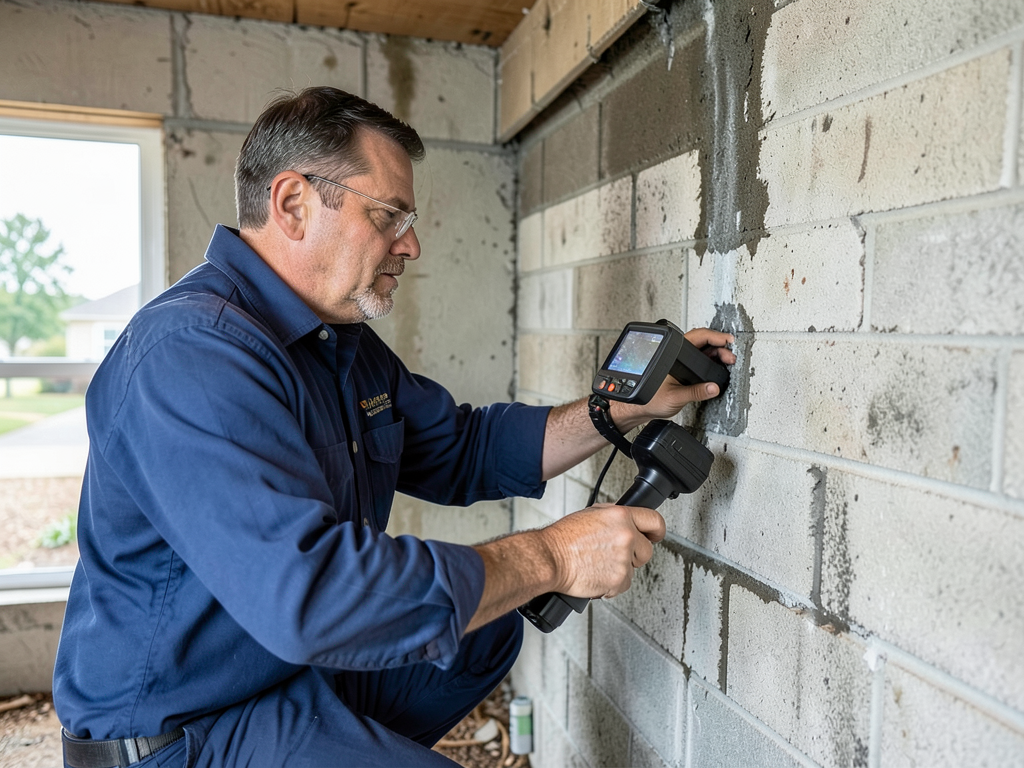
Electronic leak detectors can find refrigerant leaks as small as 0.1 ounces per year. Thermal imaging cameras reveal hidden moisture patterns behind walls. Carbon monoxide detectors measure gas concentrations that are invisible to humans.. Read more about Small Duct High Velocity Cooling for Historic Mansions in the West End.
Professional duct cleaning removes accumulated dust, mold, and debris that cause persistent odors. According to NADCA (National Air Duct Cleaners Association) standards, ducts should be cleaned every 3-5 years, or more frequently in humid climates like St. Louis. NADCA (National Air Duct Cleaners Association) standards.
Prevention Strategies for Long-Term Odor Control
Preventing basement odors requires a multi-faceted approach. Start with proper humidity control. Dehumidifiers should maintain relative humidity between 30-50%. In Skinker DeBaliviere’s climate, you may need a whole-house dehumidifier rather than portable units.. Read more about Why Whole Home Dehumidifiers Beat Portable Units for Damp Basements in Northampton.
Regular HVAC maintenance prevents many odor-causing issues. Change filters monthly during peak usage seasons. Schedule professional tune-ups twice yearly—before summer cooling and winter heating seasons. Commercial Heating Services.
Plumbing maintenance includes checking for leaks under sinks and around toilets. Replace old wax seals and ensure all P-traps contain water. Consider installing backwater valves if your home is prone to sewer backups during heavy rains.
When to Call a Professional
Call professionals if you experience any of these situations:
- Odors persist after basic troubleshooting
- You notice water damage or mold growth
- Your carbon monoxide detector sounds
- You smell gas or burning electrical odors
- Multiple drains are slow or backing up
Professional HVAC technicians can identify problems that mimic plumbing issues and vice versa. A cracked heat exchanger, for example, can produce odors that smell like sewer gas but indicate a dangerous carbon monoxide leak.
Local Resources and Building Codes
St. Louis County requires permits for most HVAC and plumbing work. The St. Louis County Building Division enforces codes that ensure proper ventilation and prevent dangerous gas buildup in homes.
Local building codes mandate specific requirements for combustion air in basements. Insufficient combustion air can cause backdrafting, where exhaust gases enter living spaces instead of venting outside. This creates both odor and safety hazards. The Best Local Furnace Replacement Options for Kirkwood Families.
The International Mechanical Code, adopted by St. Louis County, requires proper venting for all fuel-burning appliances. Violations can result in fines and require costly corrections.
Cost Considerations for Odor Resolution
Odor resolution costs vary widely based on the source. Simple fixes like refilling P-traps cost under $100. Duct cleaning typically ranges from $300-$500. Major repairs like replacing a heat exchanger can exceed $2,000. Emergency AC Repair in Creve Coeur That Won’t Break the Bank.
Many HVAC companies offer diagnostic services for $75-$150. This fee often applies toward repair costs if you proceed with recommended work. Some companies provide free estimates, but these may come with high-pressure sales tactics.
Consider the long-term costs of ignoring odors. Mold remediation can cost thousands if allowed to spread. Gas leaks pose explosion risks that could destroy your home. Early intervention almost always costs less than emergency repairs.
Emergency Response Timeline
Understanding how quickly problems escalate helps you prioritize actions:
- 0-2 hours: Gas leaks can reach explosive concentrations. Electrical fires can spread rapidly.
- 2-24 hours: Sewage odors indicate active leaks that worsen over time. Mold begins colonizing damp surfaces.
- 24-72 hours: Persistent moisture creates conditions for structural damage. Bacteria multiply exponentially.
- 3-7 days: Hidden leaks can cause foundation damage. Mold colonies become visible and release spores.
Don’t wait to address basement odors. What starts as a minor inconvenience can become a major health and safety hazard within days.
Frequently Asked Questions
Why does my basement smell worse after rain?
Rain increases hydrostatic pressure on basement walls and can overwhelm drainage systems. This forces water through foundation cracks and may cause sewer backups. Check your sump pump operation and consider installing a backwater valve if you experience frequent flooding.
Can dirty air filters cause bad smells?
Yes. Clogged filters restrict airflow, causing your HVAC system to overheat. This can create burning smells and reduce efficiency. Additionally, dirty filters trap moisture and organic matter, creating ideal conditions for mold growth that produces musty odors.
How do I know if the smell is coming from my vents or plumbing?
Test by running your HVAC system. If the smell intensifies when the blower runs, the source is likely your HVAC system. If the smell remains constant regardless of HVAC operation, suspect plumbing issues. Also check if the odor is stronger near specific fixtures or vents.
Take Action Today
Basement odors aren’t just unpleasant—they’re warning signs that something needs attention. Whether you’re dealing with a simple dry P-trap or a serious HVAC malfunction, prompt action prevents small problems from becoming expensive disasters.
Don’t let uncertainty about the source delay necessary repairs. Our experienced technicians can quickly diagnose the problem and recommend cost-effective solutions. We serve Skinker DeBaliviere and all St. Louis neighborhoods with 24/7 emergency service.
Call (314) 417-7771 today to schedule your inspection. Don’t wait until that odor becomes a health hazard or system failure. Your family’s comfort and safety are worth a quick phone call.
Pick up the phone and call (314) 417-7771 before the next storm hits. We’ll help you breathe easier knowing your basement is odor-free and your systems are operating safely.
{
“@context”: “https://schema.org”,
“@type”: “BlogPosting”,
“headline”: “Distinguishing Sewer Smells from HVAC Issues in Your Skinker DeBaliviere Basement”,
“description”: “Identify whether basement odors in your Skinker DeBaliviere home come from sewer or HVAC issues. Learn diagnostic steps and when to call for emergency service.”,
“wordCount”: 1593,
“datePublished”: “2026-04-05T08:07:00.000Z”,
“dateModified”: “2026-04-05T08:07:00.000Z”,
“inLanguage”: “en-US”,
“mainEntityOfPage”: {
“@type”: “WebPage”,
“@id”: “https://keystonehvacstlouis.com”
},
“publisher”: {
“@type”: “LocalBusiness”,
“name”: “Keystone HVAC St. Louis”,
“url”: “https://keystonehvacstlouis.com”
},
“author”: {
“@type”: “Organization”,
“name”: “Keystone HVAC St. Louis”,
“url”: “https://keystonehvacstlouis.com”
},
“image”: {
“@type”: “ImageObject”,
“url”: “https://keystonehvacstlouis.com/wp-content/uploads/2026/03/distinguishing-sewer-smells-from-hvac-issues-in-yo-1.png”
}
}
{
“@context”: “https://schema.org”,
“@type”: “HVACBusiness”,
“name”: “Keystone HVAC St. Louis”,
“url”: “https://keystonehvacstlouis.com”,
“address”: {
“@type”: “PostalAddress”,
“addressLocality”: “St. Louis”
},
“areaServed”: {
“@type”: “City”,
“name”: “St. Louis”
}
}
{
“@context”: “https://schema.org”,
“@type”: “FAQPage”,
“mainEntity”: [
{
“@type”: “Question”,
“name”: “Why does my basement smell worse after rain?”,
“acceptedAnswer”: {
“@type”: “Answer”,
“text”: “Rain increases hydrostatic pressure on basement walls and can overwhelm drainage systems. This forces water through foundation cracks and may cause sewer backups. Check your sump pump operation and consider installing a backwater valve if you experience frequent flooding.”
}
},
{
“@type”: “Question”,
“name”: “Can dirty air filters cause bad smells?”,
“acceptedAnswer”: {
“@type”: “Answer”,
“text”: “Yes. Clogged filters restrict airflow, causing your HVAC system to overheat. This can create burning smells and reduce efficiency. Additionally, dirty filters trap moisture and organic matter, creating ideal conditions for mold growth that produces musty odors.”
}
},
{
“@type”: “Question”,
“name”: “How do I know if the smell is coming from my vents or plumbing?”,
“acceptedAnswer”: {
“@type”: “Answer”,
“text”: “Test by running your HVAC system. If the smell intensifies when the blower runs, the source is likely your HVAC system. If the smell remains constant regardless of HVAC operation, suspect plumbing issues. Also check if the odor is stronger near specific fixtures or vents.”
}
}
]
}
{
“@context”: “https://schema.org”,
“@type”: “BreadcrumbList”,
“itemListElement”: [
{
“@type”: “ListItem”,
“position”: 1,
“name”: “Home”,
“item”: “https://keystonehvacstlouis.com”
},
{
“@type”: “ListItem”,
“position”: 2,
“name”: “Blog”,
“item”: “https://keystonehvacstlouis.com/blog”
},
{
“@type”: “ListItem”,
“position”: 3,
“name”: “Distinguishing Sewer Smells from HVAC Issues in Your Skinker DeBaliviere Basement”
}
]
}
{
“@context”: “https://schema.org”,
“@type”: “Service”,
“serviceType”: “HVAC”,
“provider”: {
“@type”: “LocalBusiness”,
“name”: “Keystone HVAC St. Louis”,
“url”: “https://keystonehvacstlouis.com”
},
“areaServed”: {
“@type”: “City”,
“name”: “St. Louis”
},
“description”: “Identify whether basement odors in your Skinker DeBaliviere home come from sewer or HVAC issues. Learn diagnostic steps and when to call for emergency service.”
}