
Why Geothermal Heating and Cooling Makes Sense for Large Eureka Properties
Large properties in Eureka offer a unique advantage when it comes to heating and cooling systems. The expansive lots common in this St. Louis suburb provide the space needed for geothermal ground loops, making this technology a practical and cost-effective solution for homes over 3,000 square feet. With Missouri’s extreme seasonal temperature swings and Eureka’s clay-heavy soil composition, geothermal systems deliver consistent comfort while cutting utility bills by 30-70% compared to conventional HVAC. Commercial Heating Services.
The ground beneath your Eureka property maintains a steady temperature between 50-60°F year-round, regardless of surface conditions. This natural thermal stability means your system works less to heat in winter and cool in summer, reducing wear and extending equipment life to 25+ years for ground loops and 20+ years for heat pumps. For properties with 1+ acre lots, the long-term energy savings and environmental benefits make geothermal an investment that pays for itself within 5-10 years. Energy Department geothermal information.
Understanding Geothermal Technology for St. Louis Properties
Geothermal systems harness the earth’s constant underground temperature through a network of pipes buried in your yard. These pipes circulate a water-based solution that absorbs heat from the ground in winter and rejects heat into the ground in summer. The heat pump inside your home concentrates this thermal energy to maintain comfortable indoor temperatures.
St. Louis’s climate creates ideal conditions for geothermal efficiency. Our region experiences 90+ degree summers and sub-zero winter nights, conditions that strain conventional air-source heat pumps. Geothermal systems maintain their efficiency regardless of outdoor air temperature because they exchange heat with the stable ground rather than fluctuating air.
Eureka’s soil composition plays a crucial role in system design. The area’s clay-heavy soil provides good thermal conductivity but requires proper loop installation depth to avoid freeze-thaw damage. Professional soil analysis determines the optimal loop configuration for your specific property conditions. Why Professional Air Duct Cleaning is Essential for Wildwood Homes.
Cost Analysis and Financial Incentives for 2026
The upfront cost of geothermal installation ranges from $20,000 to $45,000 for large Eureka properties, depending on home size and loop configuration. While this exceeds traditional HVAC installation by $10,000-$25,000, the federal geothermal tax credit covers 30% of total system costs through 2032, potentially saving you $6,000-$13,500. Top Rated AC Installation Companies Serving Ladue and Clayton.
Ameren Missouri offers additional rebates for geothermal installations, typically $500-$1,500 based on system efficiency ratings. Combined with the federal credit, these incentives can reduce your net investment by 35-40%. Local utility rates in Eureka average $0.12/kWh, and geothermal systems can cut annual heating and cooling costs by $800-$2,000 for large homes. Ameren Missouri geothermal rebates.
Financing options include Property Assessed Clean Energy (PACE) programs through Missouri’s Clean Energy District, allowing you to finance the system through property tax assessments rather than personal loans. Monthly energy savings often offset financing payments, creating immediate positive cash flow.
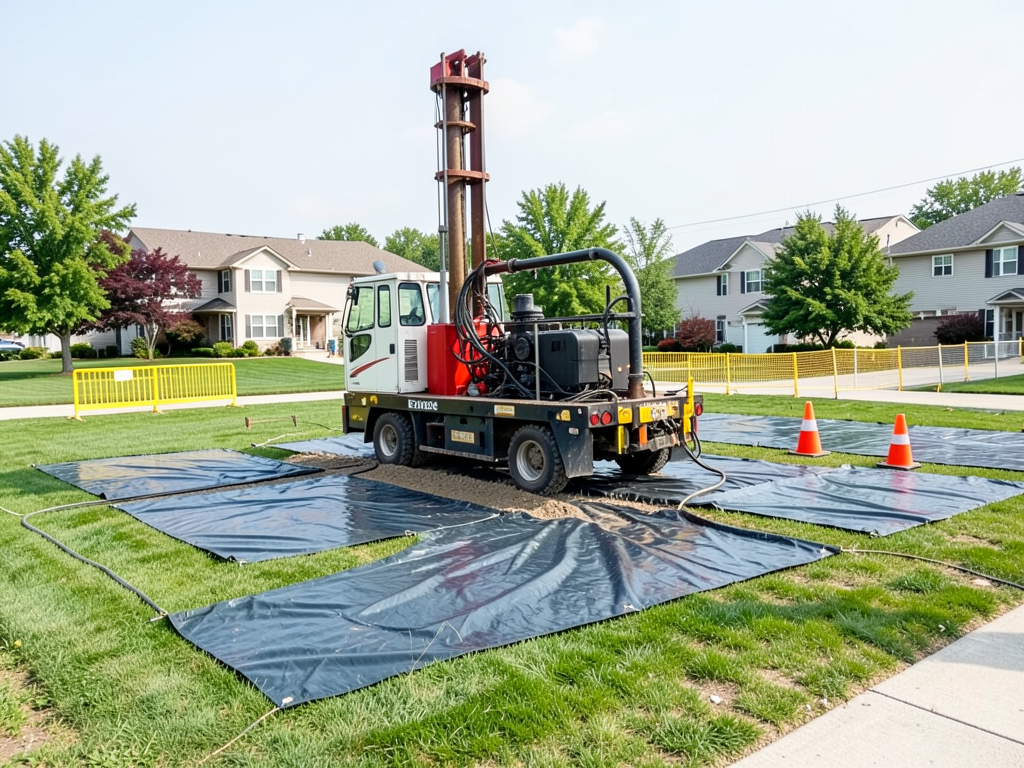
Diagram showing vertical vs horizontal ground loop configurations for 1+ acre Eureka properties with typical drilling depths and spacing requirements.
Loop System Options for Large Eureka Properties
Horizontal loop systems work best for Eureka properties with 1+ acre lots. These systems require trenches 100-400 feet long and 6-8 feet deep, spaced 10-20 feet apart. The total loop field covers 1/4 to 1/2 acre, making it ideal for properties with expansive yards and minimal landscaping constraints.
Vertical loop systems suit properties where horizontal loops aren’t feasible due to landscaping, existing structures, or bedrock proximity. These systems use 200-500 foot deep boreholes spaced 15-20 feet apart. While drilling costs more per linear foot, vertical loops require less surface area and work well in Eureka’s variable soil conditions.
Hybrid systems combine geothermal with traditional HVAC components for properties where full geothermal installation isn’t practical. These systems use smaller ground loops paired with high-efficiency air-source heat pumps, reducing upfront costs while still providing significant energy savings.
Pond/lake loops offer another option for Eureka properties with suitable water features. These systems circulate water through submerged coils, leveraging the thermal mass of the pond or lake. Water temperatures remain more stable than ground temperatures, potentially improving system efficiency by 10-15%.
Installation Process and Timeline
Professional geothermal installation follows a systematic process beginning with site evaluation and ending with system commissioning. The entire project typically requires 2-4 weeks from start to finish, with actual drilling and loop installation taking 3-5 days.
Initial site assessment includes soil testing, groundwater evaluation, and property survey to determine optimal loop configuration. Engineers calculate heating and cooling loads based on your home’s insulation, windows, and square footage to properly size the heat pump and ground loop.
Drilling and loop installation create the most visible disruption. Heavy equipment accesses your property to drill boreholes or excavate trenches. Professional contractors use protective measures to minimize lawn damage and can restore landscaping after installation. Most Eureka properties require 4-8 boreholes or 400-1,000 feet of horizontal trenching.
Heat pump installation occurs alongside loop work, with technicians running refrigerant lines and electrical connections between the indoor unit and ground loops. The system undergoes pressure testing and flushing to remove debris before final commissioning.
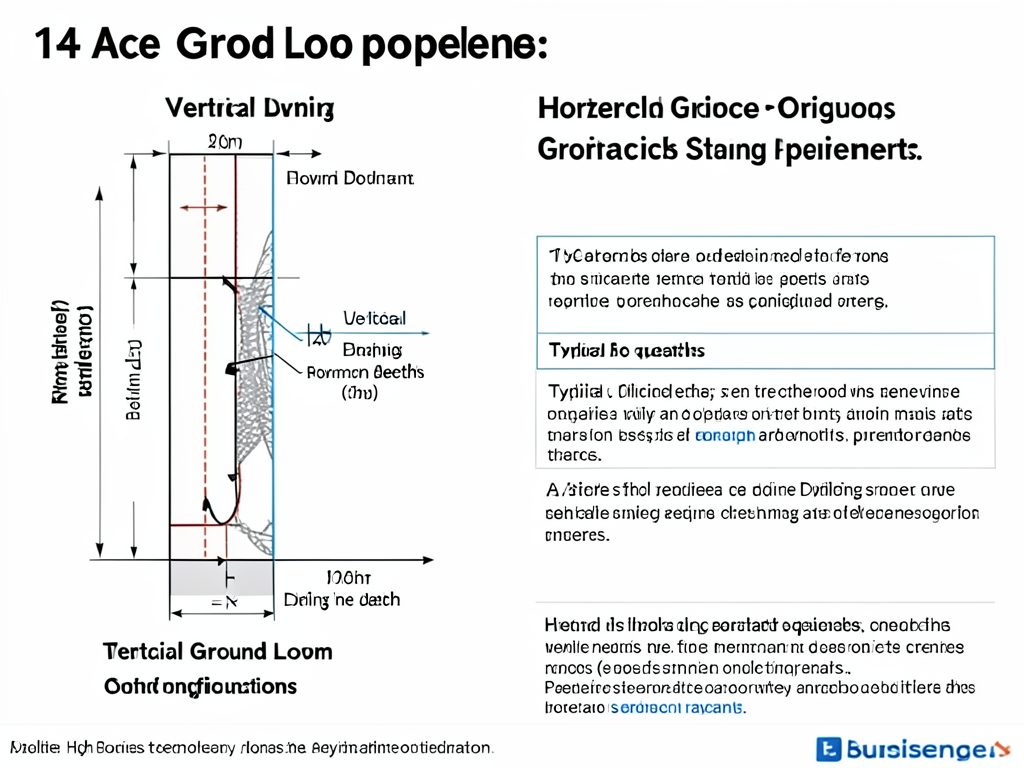
Photo of geothermal drilling rig operating in a suburban Eureka yard, showing protective mats protecting lawn and proper safety equipment usage.
Maintenance Requirements and System Longevity
Geothermal systems require minimal maintenance compared to conventional HVAC. The ground loop, being a sealed system, typically needs no maintenance for 25-50 years. Annual professional inspection includes checking antifreeze concentration, pressure testing for leaks, and verifying pump operation.
Indoor heat pump maintenance mirrors standard HVAC service: changing air filters every 1-3 months, cleaning coils annually, and checking refrigerant levels. The heat pump’s fewer moving parts and protected environment mean fewer breakdowns and longer service life than outdoor condensing units.
System monitoring helps identify issues early. Unusual noises, reduced heating/cooling capacity, or increased energy consumption may indicate problems requiring professional attention. Most geothermal systems include diagnostic displays that alert homeowners to performance issues.
Loop field integrity remains the system’s most critical factor. While leaks are rare in properly installed systems, damage from tree roots, shifting soil, or construction activities can occur. Professional leak detection using thermal imaging and pressure testing locates problems without extensive excavation.
Environmental Benefits and Energy Independence
Geothermal systems reduce carbon emissions by 50-70% compared to conventional heating systems. For a typical large Eureka home, this equals 5-8 tons of CO2 reduction annually, equivalent to planting 150-240 trees or removing 1-2 cars from the road.
The systems operate without on-site combustion, eliminating risks associated with natural gas leaks, carbon monoxide poisoning, and fuel storage. This makes geothermal particularly attractive for properties in wooded areas or those prioritizing safety and environmental stewardship.
Energy independence increases with geothermal adoption. While the system requires electricity to operate pumps and compressors, pairing it with solar panels can create a nearly self-sufficient heating and cooling solution. Many Eureka homeowners report energy costs dropping below $50/month for HVAC after installing both technologies.
Water heating integration through desuperheaters captures waste heat from the cooling cycle to preheat domestic hot water, further improving overall system efficiency. This feature can provide 50-80% of annual water heating needs during cooling season.
Common Misconceptions About Geothermal in Missouri
Many homeowners believe geothermal only works in extreme climates or requires massive yards. In reality, Missouri’s moderate ground temperatures and the availability of vertical loop options make geothermal viable for most Eureka properties, regardless of lot size.
Another misconception involves system noise. Geothermal heat pumps operate at 50-60 decibels, comparable to a refrigerator, and can be installed in basements or utility rooms. The buried ground loops produce no operational noise, unlike traditional outdoor condensing units.
Installation disruption concerns often deter homeowners. Professional contractors use protective measures and can work around existing landscaping. Most Eureka properties see temporary yard disturbance limited to specific installation zones, with full restoration possible within weeks of completion.
Some believe geothermal systems can’t handle Missouri’s humidity. Modern geothermal heat pumps include dehumidification capabilities that often exceed conventional systems, maintaining comfortable indoor humidity levels between 40-60% year-round.
Retrofitting Historic and Older Eureka Homes
Eureka features many mid-century and historic homes where geothermal retrofitting presents unique challenges. These properties often have steam radiators, hot water baseboards, or inadequate ductwork that requires modification for modern heat pump operation.
Low-temperature radiant heating systems work exceptionally well with geothermal because the technology operates most efficiently at lower delivery temperatures. Converting from high-temperature boilers to geothermal radiant systems can improve comfort while dramatically reducing energy consumption.
Ductless mini-split geothermal systems offer solutions for homes lacking ductwork. These systems use small refrigerant lines to deliver heating and cooling to individual rooms, eliminating the need for extensive duct renovation while maintaining zoning capabilities.
Historic preservation considerations in Eureka may affect outdoor installation locations. Working with local preservation boards ensures geothermal components meet aesthetic guidelines while maintaining system performance. Underground components remain invisible, preserving property character. The Best Local Furnace Replacement Options for Kirkwood Families.
Comparing Geothermal to Other High-Efficiency Options
Air-source heat pumps offer lower upfront costs but reduced efficiency in extreme temperatures. While modern cold-climate heat pumps work to -15°F, their efficiency drops significantly compared to geothermal’s consistent performance. For Eureka’s climate, air-source heat pumps achieve 250-300% efficiency while geothermal maintains 300-500% efficiency year-round.
High-efficiency gas furnaces paired with air conditioners provide reliable performance but continue reliance on fossil fuels. Current high-efficiency furnaces achieve 95-98% efficiency, but geothermal’s 300-500% efficiency means three to five units of heat energy per unit of electricity consumed. Finding a Reliable 24 Hour HVAC Technician in Chesterfield.
Hybrid systems combining geothermal with auxiliary heating provide backup during extreme conditions while maximizing efficiency. These systems automatically switch between geothermal and auxiliary heat based on outdoor temperatures and energy costs, optimizing performance year-round.
Solar integration with geothermal creates synergistic benefits. Solar panels generate electricity during peak cooling season when geothermal systems consume the most power, while excess solar production in winter helps offset heating demands.
Photo comparing utility bills before and after geothermal installation for a 4,000 sq ft Eureka home, showing monthly savings and annual ROI calculations.
Frequently Asked Questions
How long does a geothermal system last in Missouri’s climate?
Ground loops typically last 25-50 years, while heat pumps last 20-25 years. Missouri’s moderate ground temperatures and proper installation practices contribute to system longevity exceeding conventional HVAC by 5-10 years.
Can geothermal work on smaller Eureka lots under 1 acre?
Yes, vertical loop systems require only 15-20 feet of surface area per borehole, making geothermal viable for most Eureka properties. Properties under 1/2 acre may need hybrid systems or creative loop configurations.
What maintenance does a geothermal system require?
Annual professional inspection includes checking antifreeze levels, pressure testing, and verifying pump operation. Indoor components need standard HVAC maintenance like filter changes and coil cleaning. The sealed ground loop typically requires no maintenance for decades.
How much can I save on utility bills with geothermal?
Large Eureka homes typically save $800-$2,000 annually on heating and cooling costs. Combined with water heating integration, total utility savings often reach 50-70% compared to conventional systems.
Does geothermal increase home value in Eureka?
Energy-efficient upgrades like geothermal systems typically increase home value by the system’s cost while providing immediate utility savings. Buyers increasingly value low operating costs and environmental benefits in the St. Louis market.
Is Geothermal Right for Your Eureka Property?
Geothermal heating and cooling makes particular sense for large Eureka properties where the combination of expansive lots, high energy consumption, and long-term ownership creates ideal conditions for return on investment. The technology’s reliability, efficiency, and environmental benefits align perfectly with Missouri’s climate challenges and Eureka’s suburban character.
Properties with heating and cooling bills exceeding $2,500 annually, lots over 1/2 acre, or owners planning to stay 5+ years typically see the strongest financial returns. The combination of federal tax credits, local rebates, and energy savings creates a compelling value proposition that improves each year as utility rates increase.
Professional evaluation determines your property’s specific potential. Soil testing, heating load calculations, and site assessment identify the optimal system configuration for your home’s unique characteristics. With proper design and installation, geothermal provides decades of reliable comfort while reducing your environmental impact and energy costs.
Ready to explore geothermal options for your Eureka property? Call (314) 417-7771 today to schedule a comprehensive evaluation and discover how much you could save with this proven technology.
- Schedule Professional Assessment
Contact our team for comprehensive site evaluation including soil testing and heating load calculations.
- Review System Options
Receive detailed proposals comparing horizontal, vertical, and hybrid configurations with ROI projections.
- Secure Incentives
Navigate federal tax credits, Ameren rebates, and financing options to maximize your investment.
- Professional Installation
Experience minimal disruption with our expert installation team protecting your property throughout the process.
- Enjoy Long-Term Savings
Start saving immediately on utility bills while enjoying consistent comfort and increased property value.
Call (314) 417-7771 today to schedule your geothermal consultation and take the first step toward energy independence.
{
“@context”: “https://schema.org”,
“@type”: “BlogPosting”,
“headline”: “Why Geothermal Heating and Cooling Makes Sense for Large Eureka Properties”,
“description”: “Discover why geothermal HVAC systems are ideal for large Eureka properties. Learn about local soil conditions, federal tax credits, and long-term savings for St. Louis homeowners.”,
“wordCount”: 2158,
“datePublished”: “2026-04-07T07:02:00.000Z”,
“dateModified”: “2026-04-07T07:02:00.000Z”,
“inLanguage”: “en-US”,
“mainEntityOfPage”: {
“@type”: “WebPage”,
“@id”: “https://keystonehvacstlouis.com”
},
“publisher”: {
“@type”: “LocalBusiness”,
“name”: “Keystone HVAC St. Louis”,
“url”: “https://keystonehvacstlouis.com”
},
“author”: {
“@type”: “Organization”,
“name”: “Keystone HVAC St. Louis”,
“url”: “https://keystonehvacstlouis.com”
},
“image”: {
“@type”: “ImageObject”,
“url”: “https://keystonehvacstlouis.com/wp-content/uploads/2026/03/why-geothermal-heating-and-cooling-makes-sense-for-1.png”
}
}
{
“@context”: “https://schema.org”,
“@type”: “HVACBusiness”,
“name”: “Keystone HVAC St. Louis”,
“url”: “https://keystonehvacstlouis.com”,
“address”: {
“@type”: “PostalAddress”,
“addressLocality”: “St. Louis”
},
“areaServed”: {
“@type”: “City”,
“name”: “St. Louis”
}
}
{
“@context”: “https://schema.org”,
“@type”: “FAQPage”,
“mainEntity”: [
{
“@type”: “Question”,
“name”: “How long does a geothermal system last in Missouri’s climate?”,
“acceptedAnswer”: {
“@type”: “Answer”,
“text”: “Ground loops typically last 25-50 years, while heat pumps last 20-25 years. Missouri’s moderate ground temperatures and proper installation practices contribute to system longevity exceeding conventional HVAC by 5-10 years.”
}
},
{
“@type”: “Question”,
“name”: “Can geothermal work on smaller Eureka lots under 1 acre?”,
“acceptedAnswer”: {
“@type”: “Answer”,
“text”: “Yes, vertical loop systems require only 15-20 feet of surface area per borehole, making geothermal viable for most Eureka properties. Properties under 1/2 acre may need hybrid systems or creative loop configurations.”
}
},
{
“@type”: “Question”,
“name”: “What maintenance does a geothermal system require?”,
“acceptedAnswer”: {
“@type”: “Answer”,
“text”: “Annual professional inspection includes checking antifreeze levels, pressure testing, and verifying pump operation. Indoor components need standard HVAC maintenance like filter changes and coil cleaning. The sealed ground loop typically requires no maintenance for decades.”
}
},
{
“@type”: “Question”,
“name”: “How much can I save on utility bills with geothermal?”,
“acceptedAnswer”: {
“@type”: “Answer”,
“text”: “Large Eureka homes typically save $800-$2,000 annually on heating and cooling costs. Combined with water heating integration, total utility savings often reach 50-70% compared to conventional systems.”
}
},
{
“@type”: “Question”,
“name”: “Does geothermal increase home value in Eureka?”,
“acceptedAnswer”: {
“@type”: “Answer”,
“text”: “Energy-efficient upgrades like geothermal systems typically increase home value by the system’s cost while providing immediate utility savings. Buyers increasingly value low operating costs and environmental benefits in the St. Louis market.”
}
},
{
“@type”: “Question”,
“name”: “Is Geothermal Right for Your Eureka Property?”,
“acceptedAnswer”: {
“@type”: “Answer”,
“text”: “Geothermal heating and cooling makes particular sense for large Eureka properties where the combination of expansive lots, high energy consumption, and long-term ownership creates ideal conditions for return on investment. The technology’s reliability, efficiency, and environmental benefits align perfectly with Missouri’s climate challenges and Eureka’s suburban character.”
}
}
]
}
{
“@context”: “https://schema.org”,
“@type”: “HowTo”,
“name”: “How to Get Started with Geothermal”,
“step”: [
{
“@type”: “HowToStep”,
“position”: 1,
“name”: “Schedule Professional Assessment”,
“text”: “Contact our team for comprehensive site evaluation including soil testing and heating load calculations.”
},
{
“@type”: “HowToStep”,
“position”: 2,
“name”: “Review System Options”,
“text”: “Receive detailed proposals comparing horizontal, vertical, and hybrid configurations with ROI projections.”
},
{
“@type”: “HowToStep”,
“position”: 3,
“name”: “Secure Incentives”,
“text”: “Navigate federal tax credits, Ameren rebates, and financing options to maximize your investment.”
},
{
“@type”: “HowToStep”,
“position”: 4,
“name”: “Professional Installation”,
“text”: “Experience minimal disruption with our expert installation team protecting your property throughout the process.”
},
{
“@type”: “HowToStep”,
“position”: 5,
“name”: “Enjoy Long-Term Savings”,
“text”: “Start saving immediately on utility bills while enjoying consistent comfort and increased property value.”
}
],
“image”: “https://keystonehvacstlouis.com/wp-content/uploads/2026/03/why-geothermal-heating-and-cooling-makes-sense-for-1.png”
}
{
“@context”: “https://schema.org”,
“@type”: “BreadcrumbList”,
“itemListElement”: [
{
“@type”: “ListItem”,
“position”: 1,
“name”: “Home”,
“item”: “https://keystonehvacstlouis.com”
},
{
“@type”: “ListItem”,
“position”: 2,
“name”: “Blog”,
“item”: “https://keystonehvacstlouis.com/blog”
},
{
“@type”: “ListItem”,
“position”: 3,
“name”: “Why Geothermal Heating and Cooling Makes Sense for Large Eureka Properties”
}
]
}
{
“@context”: “https://schema.org”,
“@type”: “Service”,
“serviceType”: “HVAC”,
“provider”: {
“@type”: “LocalBusiness”,
“name”: “Keystone HVAC St. Louis”,
“url”: “https://keystonehvacstlouis.com”
},
“areaServed”: {
“@type”: “City”,
“name”: “St. Louis”
},
“description”: “Discover why geothermal HVAC systems are ideal for large Eureka properties. Learn about local soil conditions, federal tax credits, and long-term savings for St. Louis homeowners.”
}