
Solving Common Airflow Problems in Multi Story Lindenwood Park Homes
Hot upstairs rooms, cold downstairs floors, and rooms that never seem to get comfortable are common frustrations in Lindenwood Park’s historic multi-story homes. These airflow problems aren’t just annoying—they’re symptoms of deeper HVAC system issues that waste energy and strain equipment. Here’s what’s really happening and how to fix it for good.
Lindenwood Park’s mix of early 20th-century bungalows and mid-century brick homes creates unique airflow challenges. Many were built before central air conditioning was standard, with narrow ductwork that struggles to handle modern cooling loads. Add St. Louis’s high summer humidity and you’ve got a perfect storm for airflow problems that leave your second floor sweltering while your first floor stays comfortable.
Why Your Multi-Story Lindenwood Park Home Has Airflow Issues
Most airflow problems in multi-story homes stem from one or more of these factors: inadequate return air pathways, undersized ductwork, improper duct design, or equipment that can’t overcome the natural physics of hot air rising. In Lindenwood Park, the problem is often compounded by homes with finished basements and open floor plans that create competing pressure zones.
The science is simple but critical: warm air naturally rises while cool air falls. Your HVAC system has to work against this principle, especially when trying to cool a second floor in summer. If your ductwork isn’t sized correctly or your return air vents are inadequate, the system can’t overcome the physics—resulting in hot second floors and cold first floors.
Another common issue in older Lindenwood Park homes is duct leakage. The EPA estimates that typical duct systems lose 20-30% of conditioned air through leaks, holes, and poor connections. In homes with original ductwork, this loss can be even higher, meaning your system is working overtime just to maintain basic comfort. EPA indoor air quality standards.
Common Airflow Problems in Lindenwood Park Architecture
Lindenwood Park’s architectural diversity—from Craftsman bungalows to post-war brick ranches—means airflow solutions aren’t one-size-fits-all. Craftsman homes often have plaster walls and limited attic space, making duct modifications challenging. Mid-century ranches frequently have sprawling one-story layouts that require careful zoning to maintain even temperatures.
Many Lindenwood Park homes also have finished basements, which create additional pressure on the HVAC system. The basement’s cooler temperature combined with the second floor’s heat load means your system is fighting battles on multiple fronts. Without proper zoning or airflow management, you’ll experience the classic “hot upstairs, cold downstairs” scenario.
St. Louis’s climate adds another layer of complexity. Our high dew points in summer (often 70°F or higher) mean your AC has to remove massive amounts of moisture from the air. If airflow is restricted, evaporator coils can freeze, reducing cooling capacity and potentially damaging the compressor. This is a common failure pattern we see in Lindenwood Park homes during July and August heat waves.
Diagnostic Tools We Use to Find Airflow Problems
When we investigate airflow issues, we use diagnostic tools that reveal problems invisible to the naked eye. A digital manometer measures static pressure in your ductwork—think of it as blood pressure for your HVAC system. High static pressure readings indicate restricted airflow, often caused by undersized ducts or clogged filters.
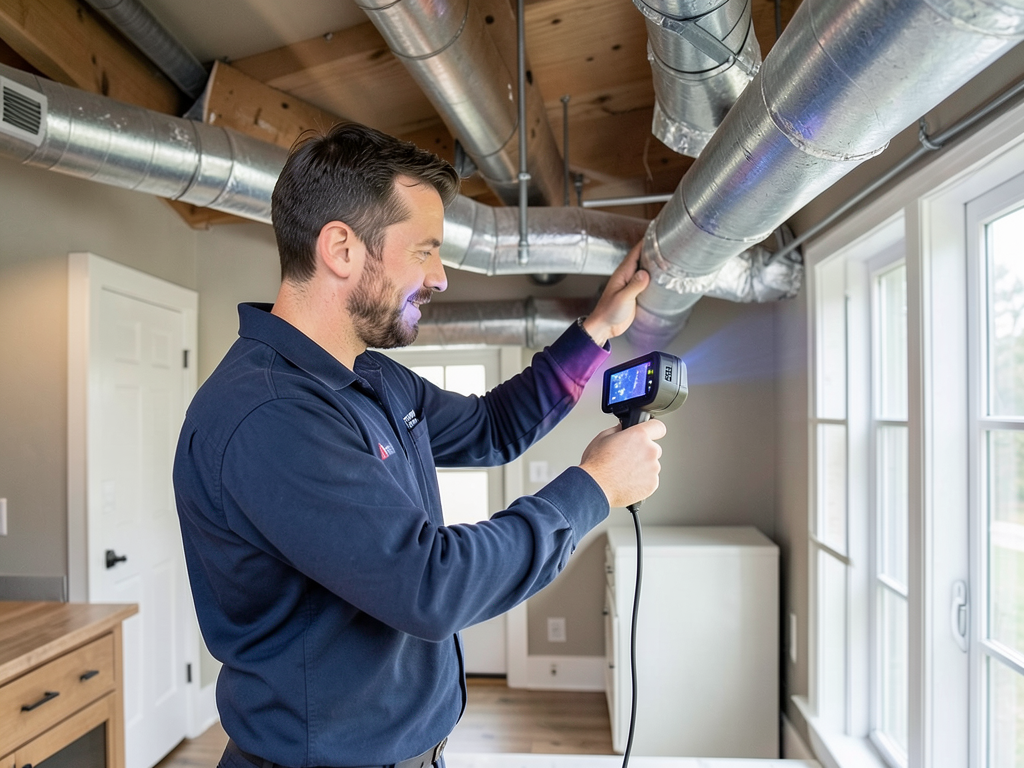
We also use thermal imaging cameras to identify temperature variations in walls and ceilings that suggest airflow problems. Cold spots on exterior walls might indicate missing insulation, while hot spots near registers could mean airflow is being blocked by furniture or closed dampers.
Another critical test is measuring CFM (cubic feet per minute) at each register. This tells us whether your system is delivering the airflow it was designed to provide. In many Lindenwood Park homes, we find registers delivering only 60-70% of their rated CFM due to duct restrictions or equipment limitations. Top Rated AC Installation Companies Serving Ladue and Clayton.
The “duct blaster” test is another diagnostic tool we use. This involves pressurizing your duct system and measuring leakage. Homes with original ductwork often show 30-40% leakage rates—meaning nearly half your conditioned air never reaches its intended destination.
Proven Solutions for Multi-Story Airflow Problems
Once we’ve diagnosed your specific airflow issues, we can recommend targeted solutions. Here are the most effective approaches we’ve used in Lindenwood Park homes:
Ductwork Modifications and Sealing
Many airflow problems can be solved by modifying existing ductwork. This might involve adding dampers to balance airflow between floors, resizing return air ducts, or adding dedicated return paths to reduce pressure imbalances. In some cases, we can modify duct runs to eliminate restrictions that are throttling airflow.
Duct sealing is another critical step. Using products like Aeroseal, we can seal leaks from the inside of your ducts, improving efficiency and airflow delivery. This is especially important in older homes where duct joints have deteriorated over decades of use.
Zoning Systems for Multi-Story Comfort
Zoning systems are often the best solution for multi-story homes. These systems use motorized dampers and multiple thermostats to create separate temperature zones. For a typical Lindenwood Park two-story home, we might create one zone for the first floor and another for the second floor, allowing independent temperature control. Air Purification Systems.
Modern zoning systems can be added to existing HVAC equipment in most cases. The key is proper design—we need to ensure your equipment can handle the additional static pressure created by the zoning dampers.
Variable Speed Equipment Upgrades
Variable speed furnaces and air conditioners offer superior airflow control compared to single-speed units. These systems can adjust their output in small increments, maintaining more consistent temperatures and improving humidity control. For Lindenwood Park’s humid climate, this can make a significant difference in comfort. The Best Local Furnace Replacement Options for Kirkwood Families.
The variable speed blower motors also run more quietly and can operate at lower speeds for longer periods, which improves air filtration and reduces temperature swings between cycles.
The Impact of St. Louis Humidity on Airflow
St. Louis’s high humidity creates unique challenges for airflow management. When humidity levels exceed 60%, your AC has to work much harder to remove moisture from the air. If airflow is restricted, the evaporator coil can get too cold, causing condensation to freeze on the coil surface.
This “coil freeze” is a common failure pattern in Lindenwood Park homes during peak summer months. You might notice reduced cooling, longer run times, or even complete system shutdown as the unit goes into freeze protection mode.
Proper airflow is essential for humidity control. Your AC needs to move enough air across the evaporator coil to effectively remove moisture. If airflow is restricted, the system cools the air but doesn’t dehumidify it properly, leaving you with cold, clammy conditions.
We often recommend whole-house dehumidifiers for homes with persistent humidity issues. These systems work alongside your AC to maintain optimal humidity levels (45-55%), improving comfort and preventing mold growth in basements and crawl spaces.
DIY Troubleshooting for Hot and Cold Spots
Before calling a professional, there are several things you can check yourself: Why Professional Air Duct Cleaning is Essential for Wildwood Homes.
- Check Air Filters
Clogged filters are the most common cause of restricted airflow. Replace filters monthly during peak cooling season.
- Inspect Supply Registers
Make sure all registers are open and not blocked by furniture, curtains, or rugs. Even partially blocked registers can significantly reduce airflow.
- Examine Return Air Vents
Check that return air grilles aren’t blocked by furniture or clogged with dust. Inadequate return air is a major cause of pressure imbalances.
- Test Room-to-Room Temperatures
Use a simple thermometer to check temperatures in different rooms. A 5-7 degree difference between floors is normal; larger differences indicate problems.
- Listen for Unusual Noises
Rattling, whistling, or humming sounds from ducts often indicate airflow restrictions or loose components.
If these basic checks don’t solve your problems, it’s time to call a professional who can perform proper diagnostic testing.
Energy Efficiency and Cost Savings
Fixing airflow problems isn’t just about comfort—it’s also about energy efficiency. The Department of Energy estimates that proper duct sealing and insulation can improve HVAC efficiency by 20% or more. For a typical Lindenwood Park home, this could mean annual savings of $300-500 on utility bills. Department of Energy HVAC efficiency guidelines.
Better airflow also reduces wear and tear on your HVAC equipment. When your system doesn’t have to work as hard to overcome restrictions, it runs more efficiently and lasts longer. This can extend the life of your equipment by several years, delaying costly replacement expenses.
Many utility companies offer rebates for energy efficiency improvements, including duct sealing and high-efficiency equipment upgrades. Ameren Missouri and Spire often have programs that can offset a significant portion of improvement costs.
Local Building Codes and Standards
Any airflow improvements must comply with local building codes. In St. Louis County, mechanical work is governed by the International Mechanical Code as adopted by local ordinance. This code specifies minimum duct sizing, insulation requirements, and ventilation standards.. Read more about Designing the Right Ventilation for Your Professional Grade Kitchen in Huntleigh.
For homes in historic districts, additional restrictions may apply. The Lindenwood Park Neighborhood Association has guidelines that protect the architectural character of homes while allowing necessary mechanical upgrades. We’re familiar with these requirements and can ensure your improvements meet all applicable standards.
The EPA’s ENERGY STAR program also provides guidelines for HVAC efficiency that often exceed minimum code requirements. While not mandatory, following these guidelines can improve comfort and reduce operating costs.
When to Call a Professional
While some airflow issues can be resolved with simple DIY fixes, others require professional diagnosis and repair. Call us if you experience: Emergency AC Repair in Creve Coeur That Won’t Break the Bank.
- Persistent hot or cold spots that don’t respond to basic troubleshooting
- Uneven temperatures between floors exceeding 8-10 degrees
- Unusual noises from your ductwork or HVAC equipment
- High energy bills without corresponding weather changes
- Rooms that are difficult to heat or cool regardless of thermostat settings
Professional diagnosis involves specialized tools and expertise that go beyond what’s available to homeowners. We can identify problems that aren’t visible to the naked eye and recommend solutions tailored to your specific home and comfort needs.. Read more about What Homeowners in The Hill Should Know About Sizing a New Furnace.
Comparing Airflow Solutions
| Solution | Cost Range | Effectiveness | Best For | Installation Time |
|---|---|---|---|---|
| Duct sealing (Aeroseal) | $1,500-3,500 | High | Leaky ducts, older homes | 4-6 hours |
| Zoning system installation | $3,000-6,000 | Very High | Multi-story homes, temperature variations | 1-2 days |
| Variable speed upgrade | $4,000-8,000 | High | Humidity control, efficiency | 1 day |
| Duct modifications | $2,000-5,000 | Medium-High | Specific airflow restrictions | 1-2 days |
| Whole-house dehumidifier | $3,500-6,000 | High | Humidity problems, mold prevention | 1 day |
Frequently Asked Questions
Why is my second floor so much hotter than my first floor?
Hot second floors are usually caused by inadequate return air pathways, undersized ductwork, or equipment that can’t overcome the natural rise of hot air. In many Lindenwood Park homes, the problem is compounded by original ductwork that wasn’t designed for modern cooling loads.
How much does it cost to fix airflow problems?
Costs vary widely depending on the specific issues and solutions needed. Simple duct sealing might cost $1,500-3,500, while comprehensive zoning systems can run $3,000-6,000. We provide detailed estimates after diagnostic testing to identify the exact problems in your home.
Can I add a second HVAC system for my second floor?
Yes, but it’s often more cost-effective to modify your existing system with zoning or duct improvements. Adding a second system requires significant electrical work, new ductwork, and potentially structural modifications. We’ll help you compare options based on your specific situation.
How long does it take to fix airflow problems?
Simple fixes like duct sealing can be completed in a day. More complex solutions like zoning system installation typically take 2-3 days. We’ll provide a timeline with your estimate so you know what to expect.
Get Your Airflow Problems Diagnosed Today
Don’t let another summer pass with uncomfortable rooms and high energy bills. Our diagnostic process identifies the exact causes of your airflow problems and provides targeted solutions that work for your specific home.
We understand the unique challenges of Lindenwood Park’s historic homes and can recommend solutions that preserve your home’s character while improving comfort and efficiency. Our team is NATE-certified and experienced in solving the complex airflow issues common in St. Louis’s older neighborhoods.
Call (314) 417-7771 today to schedule your professional airflow audit. We’ll test your system, identify problems, and provide a clear plan for restoring comfort to every room in your home.
Pick up the phone and call (314) 417-7771 before the next heat wave hits. Your comfort is too important to leave to chance, and our diagnostic expertise can save you money while making your home more comfortable year-round.
{
“@context”: “https://schema.org”,
“@type”: “BlogPosting”,
“headline”: “Solving Common Airflow Problems in Multi Story Lindenwood Park Homes”,
“description”: “Fix hot upstairs rooms and cold downstairs floors in your Lindenwood Park home. Learn HVAC airflow solutions for St. Louis’s historic multi-story homes.”,
“wordCount”: 2088,
“datePublished”: “2026-03-18T11:00:00.000Z”,
“dateModified”: “2026-03-18T11:00:00.000Z”,
“inLanguage”: “en-US”,
“mainEntityOfPage”: {
“@type”: “WebPage”,
“@id”: “https://keystonehvacstlouis.com”
},
“publisher”: {
“@type”: “LocalBusiness”,
“name”: “Keystone HVAC St. Louis”,
“url”: “https://keystonehvacstlouis.com”
},
“author”: {
“@type”: “Organization”,
“name”: “Keystone HVAC St. Louis”,
“url”: “https://keystonehvacstlouis.com”
},
“image”: {
“@type”: “ImageObject”,
“url”: “https://keystonehvacstlouis.com/wp-content/uploads/2026/03/solving-common-airflow-problems-in-multi-story-lin-1.png”
}
}
{
“@context”: “https://schema.org”,
“@type”: “HVACBusiness”,
“name”: “Keystone HVAC St. Louis”,
“url”: “https://keystonehvacstlouis.com”,
“address”: {
“@type”: “PostalAddress”,
“addressLocality”: “St. Louis”
},
“areaServed”: {
“@type”: “City”,
“name”: “St. Louis”
}
}
{
“@context”: “https://schema.org”,
“@type”: “FAQPage”,
“mainEntity”: [
{
“@type”: “Question”,
“name”: “Why is my second floor so much hotter than my first floor?”,
“acceptedAnswer”: {
“@type”: “Answer”,
“text”: “Hot second floors are usually caused by inadequate return air pathways, undersized ductwork, or equipment that can’t overcome the natural rise of hot air. In many Lindenwood Park homes, the problem is compounded by original ductwork that wasn’t designed for modern cooling loads.”
}
},
{
“@type”: “Question”,
“name”: “How much does it cost to fix airflow problems?”,
“acceptedAnswer”: {
“@type”: “Answer”,
“text”: “Costs vary widely depending on the specific issues and solutions needed. Simple duct sealing might cost $1,500-3,500, while comprehensive zoning systems can run $3,000-6,000. We provide detailed estimates after diagnostic testing to identify the exact problems in your home.”
}
},
{
“@type”: “Question”,
“name”: “Can I add a second HVAC system for my second floor?”,
“acceptedAnswer”: {
“@type”: “Answer”,
“text”: “Yes, but it’s often more cost-effective to modify your existing system with zoning or duct improvements. Adding a second system requires significant electrical work, new ductwork, and potentially structural modifications. We’ll help you compare options based on your specific situation.”
}
},
{
“@type”: “Question”,
“name”: “How long does it take to fix airflow problems?”,
“acceptedAnswer”: {
“@type”: “Answer”,
“text”: “Simple fixes like duct sealing can be completed in a day. More complex solutions like zoning system installation typically take 2-3 days. We’ll provide a timeline with your estimate so you know what to expect.”
}
}
]
}
{
“@context”: “https://schema.org”,
“@type”: “HowTo”,
“name”: “DIY Airflow Troubleshooting”,
“step”: [
{
“@type”: “HowToStep”,
“position”: 1,
“name”: “Check Air Filters”,
“text”: “Clogged filters are the most common cause of restricted airflow. Replace filters monthly during peak cooling season.”
},
{
“@type”: “HowToStep”,
“position”: 2,
“name”: “Inspect Supply Registers”,
“text”: “Make sure all registers are open and not blocked by furniture, curtains, or rugs. Even partially blocked registers can significantly reduce airflow.”
},
{
“@type”: “HowToStep”,
“position”: 3,
“name”: “Examine Return Air Vents”,
“text”: “Check that return air grilles aren’t blocked by furniture or clogged with dust. Inadequate return air is a major cause of pressure imbalances.”
},
{
“@type”: “HowToStep”,
“position”: 4,
“name”: “Test Room-to-Room Temperatures”,
“text”: “Use a simple thermometer to check temperatures in different rooms. A 5-7 degree difference between floors is normal; larger differences indicate problems.”
},
{
“@type”: “HowToStep”,
“position”: 5,
“name”: “Listen for Unusual Noises”,
“text”: “Rattling, whistling, or humming sounds from ducts often indicate airflow restrictions or loose components.”
}
],
“image”: “https://keystonehvacstlouis.com/wp-content/uploads/2026/03/solving-common-airflow-problems-in-multi-story-lin-1.png”
}
{
“@context”: “https://schema.org”,
“@type”: “BreadcrumbList”,
“itemListElement”: [
{
“@type”: “ListItem”,
“position”: 1,
“name”: “Home”,
“item”: “https://keystonehvacstlouis.com”
},
{
“@type”: “ListItem”,
“position”: 2,
“name”: “Blog”,
“item”: “https://keystonehvacstlouis.com/blog”
},
{
“@type”: “ListItem”,
“position”: 3,
“name”: “Solving Common Airflow Problems in Multi Story Lindenwood Park Homes”
}
]
}
{
“@context”: “https://schema.org”,
“@type”: “Service”,
“serviceType”: “HVAC”,
“provider”: {
“@type”: “LocalBusiness”,
“name”: “Keystone HVAC St. Louis”,
“url”: “https://keystonehvacstlouis.com”
},
“areaServed”: {
“@type”: “City”,
“name”: “St. Louis”
},
“description”: “Fix hot upstairs rooms and cold downstairs floors in your Lindenwood Park home. Learn HVAC airflow solutions for St. Louis’s historic multi-story homes.”
}