
Custom Ductwork Design and Installation for New Home Additions in Fenton
Adding a new room or expanding your Fenton home creates exciting possibilities but also introduces critical HVAC challenges. When you build out that new master suite or family room addition, your existing ductwork system often can’t handle the additional heating and cooling load. That’s where custom ductwork design and installation becomes essential for maintaining comfort, efficiency, and indoor air quality throughout your entire home. Top Rated AC Installation Companies Serving Ladue and Clayton.
Custom ductwork isn’t just about running a few extra vents to your new space. It’s a comprehensive engineering solution that considers your home’s unique layout, the new addition’s square footage, and how air moves through your existing system. In Fenton’s climate zone, where summer humidity can exceed 80% and winter temperatures regularly dip below freezing, properly designed ductwork ensures your new space stays comfortable year-round while your existing rooms maintain their temperature balance.
The process starts with precise load calculations using Manual J methodology to determine exactly how much heating and cooling your expanded home requires. From there, Manual D duct design creates a blueprint for optimal airflow distribution. This isn’t guesswork—it’s engineering that accounts for static pressure, duct velocity, and the specific challenges of Fenton’s older homes with their plaster walls and limited access points.
Local building codes in St. Louis County require compliance with specific duct design standards, including proper insulation R-values and sealed connections to prevent energy loss. The Missouri HVAC licensing board mandates that all custom ductwork installations meet SMACNA (Sheet Metal and Air Conditioning Contractors’ National Association) standards, ensuring your system operates at peak efficiency for years to come. SMACNA (Sheet Metal and Air Conditioning Contractors’ National Association).
Whether you’re working with a general contractor on a major addition or handling the HVAC integration yourself, understanding the custom ductwork process helps you make informed decisions about your home’s comfort system. Let’s explore what custom ductwork design and installation involves, why it matters for Fenton homeowners, and how the right approach can save you money while maximizing comfort in your expanded living space.
Understanding Custom Ductwork for Home Additions
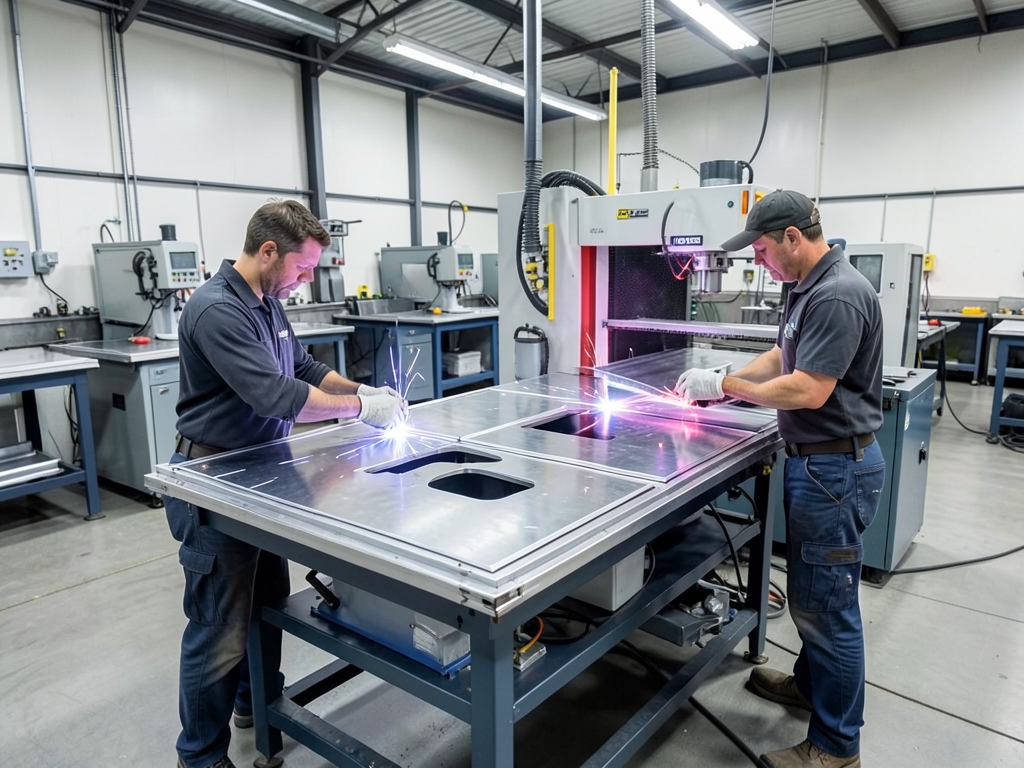
Custom ductwork design addresses the unique airflow challenges that arise when you expand your living space. Unlike off-the-shelf solutions that might work for standard homes, custom ductwork adapts to your specific floor plan, ceiling heights, and existing HVAC system capacity.
The key difference between custom and standard ductwork lies in the engineering approach. Custom systems use precise calculations to determine duct sizing, layout, and material selection based on your home’s specific needs. This means accounting for factors like:
- Room-by-room heat gain and loss calculations
- Existing duct system capacity and static pressure
- Architectural constraints like vaulted ceilings or finished basements
- Local climate conditions that affect heating and cooling loads
In Fenton, where many homes were built between the 1960s and 1990s, existing ductwork often operates at 70-80% efficiency due to settling, poor initial design, or modifications over the years. Adding new space without addressing these underlying issues compounds the problem, leading to hot and cold spots, increased energy bills, and premature system failure.
Custom ductwork installation involves more than just extending existing ducts. It requires careful planning to integrate new runs with your current system while maintaining proper airflow balance. This might mean resizing main trunk lines, adding zoning controls, or even upgrading your HVAC equipment to handle the increased load.
The materials used in custom ductwork also matter significantly. Galvanized steel remains the gold standard for durability and airtightness, while flexible ducting offers easier installation in tight spaces but requires careful support to prevent sagging and airflow restriction. The choice depends on your specific application, budget, and performance requirements.
Proper duct design also considers indoor air quality factors unique to Fenton homes. The area’s high humidity levels mean ductwork must be properly sealed and insulated to prevent condensation, which can lead to mold growth and reduced system efficiency. Custom designs incorporate these considerations from the start rather than as afterthoughts.
The Custom Ductwork Design Process

The custom ductwork design process follows a systematic approach that ensures your new addition integrates seamlessly with your existing HVAC system. This engineering-driven method eliminates guesswork and delivers predictable performance.
The process begins with a comprehensive home assessment. Technicians evaluate your current system’s capacity, inspect existing ductwork for leaks or damage, and measure your new addition’s dimensions. This inspection includes checking for proper attic access, crawl space conditions, and any structural elements that might impact duct routing.
Next comes the critical Manual J load calculation. This computer-aided analysis determines your home’s total heating and cooling requirements based on factors like square footage, insulation levels, window orientation, and local climate data. For Fenton homes, this calculation must account for the area’s significant temperature swings and high summer humidity levels. The Best Local Furnace Replacement Options for Kirkwood Families.
Following the load calculation, Manual D duct design creates the actual ductwork layout. This process determines duct sizing, register locations, and return air pathways. The design must maintain proper air velocity—typically 600-900 feet per minute for supply ducts—while keeping static pressure within your system’s operating range.
During the design phase, technicians also consider zoning options. If your new addition has different usage patterns than the rest of your home, separate zoning might make sense. This could involve installing dampers and additional thermostats to control temperatures independently in different areas. EPA Indoor Air Quality guidelines.
The fabrication phase transforms design drawings into physical ductwork. Modern shops use computer-aided plasma cutting for precise sheet metal components, ensuring tight fits and minimal air leakage. Each piece is fabricated to exact specifications, whether it’s a custom plenum, transition fitting, or main trunk run.
Installation follows a specific sequence. First, the main trunk line gets positioned and secured. Then branch ducts get connected to their respective rooms. Finally, registers and grilles get installed, and the entire system gets pressure tested to verify proper airflow and identify any leaks.
Throughout the process, technicians use specialized tools like digital manometers to measure static pressure and airflow hoods to verify each register delivers the designed airflow volume. These diagnostic tests ensure the installed system matches the engineered design.
Materials and Construction Methods
Custom ductwork construction relies on specific materials and techniques that ensure longevity and performance. Understanding these options helps you make informed decisions about your installation.
Galvanized steel remains the preferred material for most custom ductwork applications. The zinc coating prevents rust and corrosion, while the steel’s rigidity maintains proper duct shape over time. Standard gauges range from 24-gauge for residential supply ducts to 30-gauge for return air applications.
Sheet metal fabrication techniques have evolved significantly. Modern plasma cutting tables can produce complex shapes with tolerances of +/- 1/16 inch, ensuring tight-fitting joints that minimize air leakage. Traditional methods like Pittsburgh seams and drive cleats remain essential for creating strong, airtight connections.
Insulation choices impact both energy efficiency and condensation control. For Fenton’s climate, R-6 to R-8 insulation is standard for supply ducts in unconditioned spaces. The insulation must have a vapor barrier to prevent moisture migration that could lead to mold growth or reduced insulating value.
Flexible ducting offers advantages in tight spaces but requires careful installation. The inner liner must be supported every 4-5 feet to prevent sagging, and the duct must be stretched to its full length to maintain proper airflow. Bends should have minimum radii of 5 times the duct diameter to avoid restriction.
Sealing methods have advanced beyond traditional duct tape. Mastic sealants provide superior adhesion and flexibility, while UL 181-rated foil tape offers reliable sealing for accessible joints. For critical connections, technicians may use combination approaches—mastic covered with tape for maximum durability. Finding a Reliable 24 Hour HVAC Technician in Chesterfield.
Access considerations influence material choices and installation methods. In finished basements or attic spaces, technicians might use smaller diameter ducts or alternative routing to minimize disruption. Sometimes this means using multiple smaller ducts instead of one large trunk line to navigate around existing structures.
Modern fabrication shops use CAD software to create detailed shop drawings before any cutting begins. This digital approach allows homeowners to visualize the final product and make adjustments before fabrication starts. It also ensures precise material ordering, reducing waste and project costs.
Common Challenges in Fenton Home Additions
Fenton’s specific housing stock and climate create unique challenges for custom ductwork installations. Understanding these local factors helps set realistic expectations for your project.
Many Fenton homes feature finished basements that complicate duct routing for main-floor additions. The concrete foundation limits access points, often requiring creative solutions like running ducts through closets or building soffits to conceal ductwork. Sometimes this means using higher velocity systems that can work with smaller duct sizes.
The area’s high summer humidity—often exceeding 75%—creates condensation risks in unconditioned spaces. Custom ductwork must include proper vapor barriers and insulation to prevent moisture accumulation. Without these precautions, condensation can lead to mold growth, reduced insulation effectiveness, and even structural damage over time.
Older Fenton homes often have undersized returns that can’t handle the additional airflow from new additions. This creates negative pressure that draws in unconditioned air through gaps around doors and windows. Custom designs must address return air capacity, sometimes requiring new return runs or upgraded filters to maintain proper system balance.
Local building codes in St. Louis County require specific fire-blocking measures where ducts penetrate floor or wall assemblies. This means installing approved fire-rated materials and maintaining proper clearances to combustible materials. These requirements add complexity but are essential for code compliance and safety.
Soil conditions in Fenton can affect foundation stability, which in turn impacts duct routing through crawl spaces or basements. Shifting foundations may require flexible connections or additional support systems to prevent duct damage over time. Custom designs must account for these geological factors.
Energy efficiency standards have tightened significantly in recent years. Current Missouri energy codes require duct leakage testing for new installations, with maximum allowable leakage rates of 4% for supply ducts and 6% for return ducts. Custom ductwork must meet these standards to pass inspection.
Noise transmission through ductwork can be problematic in multi-story homes. Custom designs incorporate sound attenuators and proper duct sizing to minimize noise transfer between floors. This is particularly important for bedrooms or home offices where quiet operation matters.
Cost Factors and ROI Considerations
Understanding the cost factors involved in custom ductwork helps you budget appropriately and recognize the long-term value of proper installation.
Material costs vary significantly based on your choices. Galvanized steel ductwork typically costs $8-12 per linear foot for standard sizes, while specialized fittings or large diameter ducts can exceed $20 per foot. Insulation adds $2-4 per foot, and sealing materials cost $1-2 per foot.
Labor represents the largest cost component, often 60-70% of the total project cost. Skilled sheet metal workers command $75-125 per hour, and complex installations may require multiple technicians working several days. The expertise required for custom design and installation justifies these labor rates.
Additional costs include permits ($100-300 in St. Louis County), testing and commissioning ($200-500), and potential HVAC equipment upgrades if your existing system can’t handle the additional load. These ancillary costs should factor into your total budget planning.
The return on investment for custom ductwork extends beyond immediate comfort improvements. Properly designed systems typically reduce energy consumption by 15-30% compared to poorly designed alternatives. In Fenton’s climate, this translates to annual savings of $200-600 depending on your home’s size and usage patterns.
Increased home value represents another ROI factor. Energy-efficient HVAC systems with properly designed ductwork appeal to buyers and can increase your home’s marketability. Some real estate studies suggest energy-efficient homes sell 2-5% faster than comparable properties without these features.
Warranty considerations also impact long-term value. Custom ductwork installed by licensed professionals typically carries 5-10 year warranties on materials and workmanship. This protection provides peace of mind and can prevent costly repairs down the road. Emergency AC Repair in Creve Coeur That Won’t Break the Bank.
Insurance companies increasingly recognize the value of proper HVAC installation. Some providers offer premium discounts for homes with energy-efficient systems and documented proper installation, potentially offsetting a portion of your initial investment over time.
Choosing the Right Contractor
Selecting the right contractor for your custom ductwork installation can mean the difference between a system that performs flawlessly for decades and one that causes ongoing problems.
Proper licensing and certification should be non-negotiable requirements. In Missouri, HVAC contractors must hold a state license and carry appropriate insurance. Look for technicians certified by NATE (North American Technician Excellence) or holding SMACNA credentials, which demonstrate advanced training in duct design and installation.
Experience with Fenton-area homes provides valuable local knowledge. Contractors familiar with the area’s common housing styles, building codes, and climate challenges can anticipate problems before they arise. Ask about their experience with similar projects in your neighborhood or surrounding areas.
Detailed proposals separate quality contractors from those cutting corners. A comprehensive proposal should include load calculations, duct design drawings, material specifications, and a clear scope of work. Avoid contractors who provide vague estimates without technical documentation.
References and portfolio reviews offer insight into a contractor’s capabilities. Ask to see photos of completed projects similar to yours, and contact past clients to discuss their experiences. Pay attention to how the contractor handled any issues that arose during previous projects.
Communication skills matter more than many homeowners realize. The best contractors explain technical concepts in understandable terms and keep you informed throughout the process. They should be willing to answer questions and provide updates without making you feel pressured or uninformed.
Equipment and facility quality often reflect a contractor’s overall professionalism. Modern fabrication shops with CNC equipment can produce more precise components than those relying solely on manual methods. While not essential, this capability often indicates a commitment to quality and efficiency. Why Professional Air Duct Cleaning is Essential for Wildwood Homes.
Post-installation support distinguishes great contractors from adequate ones. Ask about warranty terms, maintenance recommendations, and their policy for addressing any issues that arise after completion. The best contractors remain available for questions and support long after the installation finishes.
Maintenance and Longevity
Proper maintenance ensures your custom ductwork continues performing optimally for its expected 20-30 year lifespan. Understanding maintenance requirements helps protect your investment.
Regular filter changes represent the most critical maintenance task. Dirty filters restrict airflow, reduce efficiency, and can damage your HVAC equipment. For most Fenton homes, changing filters every 60-90 days works well, though homes with pets or allergies may need more frequent changes.
Annual professional inspections catch problems before they become major issues. During these inspections, technicians check for duct leaks, insulation integrity, and proper airflow. They also clean accessible components and verify that all connections remain secure.
DIY maintenance tasks include keeping vents and registers clean and unobstructed. Vacuum dust from vent covers regularly and ensure furniture or curtains don’t block airflow. These simple steps maintain system efficiency and prevent unnecessary strain on your equipment.
Condensation control becomes particularly important in Fenton’s humid climate. Watch for signs of moisture accumulation around ducts in unconditioned spaces. Address any water stains or mold growth immediately, as these indicate problems that require professional attention.
System balancing may be necessary as your home’s usage patterns change over time. If certain rooms feel too hot or cold, professional balancing can adjust airflow distribution without major modifications. This service typically costs $200-400 and can significantly improve comfort.
Documentation helps track maintenance and identify patterns. Keep records of filter changes, professional inspections, and any repairs. This information proves valuable for warranty claims and helps technicians diagnose problems more efficiently when issues arise.
Upgrades and modifications might become necessary as technology advances or your needs change. Modern zoning systems, smart thermostats, and improved filtration options can enhance your existing ductwork’s performance without requiring complete replacement.
Frequently Asked Questions
How long does custom ductwork installation take?
Most residential projects take 2-5 days depending on complexity. Simple additions might finish in two days, while whole-house replacements or complex multi-story installations typically require 4-5 days. Weather rarely impacts indoor work, though material delivery times can affect scheduling.
Will I need to leave my home during installation?
Generally no. Technicians work to minimize disruption, though you might need to avoid certain areas during active construction. Some noise and dust are inevitable, but quality contractors use dust containment measures and clean thoroughly when finished.
How much does custom ductwork cost for a typical home addition?
Costs range from $3,000-8,000 for most additions, with the final price depending on size, complexity, and material choices. A 300-square-foot addition typically costs $4,000-5,500, while larger or more complex projects can exceed $10,000.
Can I add ductwork to my existing system myself?
Missouri law requires licensed HVAC contractors for most duct modifications. Beyond legal requirements, improper installation can cause serious problems including reduced efficiency, poor air quality, and equipment damage. Professional installation ensures code compliance and optimal performance.
How do I know if my existing ductwork can handle a new addition?
A professional load calculation and duct analysis will determine your system’s capacity. Signs your system might be undersized include existing hot or cold spots, frequent cycling, and high energy bills. However, only proper testing can confirm whether upgrades are necessary.
What’s the difference between custom and standard ductwork?
Custom ductwork uses engineered designs specific to your home’s layout and needs, while standard ductwork relies on generic sizing and layouts. Custom systems typically provide better comfort, efficiency, and longevity, though they require higher upfront investment.
How long will custom ductwork last?
Properly installed custom ductwork typically lasts 20-30 years. Galvanized steel ducts often exceed 30 years with proper maintenance, while flexible ducting may need replacement after 15-20 years. Regular maintenance significantly extends system lifespan.
Will custom ductwork reduce my energy bills?
Yes, properly designed systems typically reduce energy consumption by 15-30% compared to poorly designed alternatives. The exact savings depend on your existing system’s efficiency, local energy rates, and how well the new design addresses your home’s specific needs.
Do I need permits for ductwork modifications?
Yes, St. Louis County requires permits for most HVAC work including duct modifications. Quality contractors handle permit acquisition as part of their service. Permits ensure your installation meets current building codes and passes required inspections.
Can custom ductwork help with allergies or air quality?
Absolutely. Custom designs can incorporate advanced filtration, proper ventilation, and minimize dust collection points. Sealed ducts prevent contaminants from entering your air supply, while proper sizing ensures adequate air exchange for healthy indoor air quality.
- Assess Your Needs
Evaluate your home’s current HVAC performance and determine how the addition will impact heating and cooling requirements. Consider factors like room usage, occupancy patterns, and any existing comfort issues.
- Obtain Professional Evaluation
Have a licensed HVAC contractor perform load calculations and inspect your existing system. This assessment should include ductwork evaluation, equipment capacity analysis, and identification of any code compliance issues.
- Review Design Options
Compare different design approaches, considering factors like upfront costs, long-term efficiency, and installation complexity. Ask about zoning options, filtration upgrades, and any smart home integration possibilities.
- Verify Contractor Credentials
Confirm licensing, insurance, and certifications. Check references and review portfolios of similar projects. Ensure the contractor understands local building codes and has experience with homes like yours.
- Understand the Proposal
Review detailed proposals that include load calculations, design drawings, material specifications, and clear pricing. Avoid vague estimates that don’t provide technical documentation or specific scope definitions.
Custom ductwork design and installation represents a significant investment in your home’s comfort and efficiency. By understanding the process, materials, and local considerations specific to Fenton, you can make informed decisions that will serve your family well for decades to come.
The right custom ductwork solution addresses not just your immediate addition needs but also improves your entire home’s HVAC performance. From proper load calculations to precise fabrication and professional installation, every step matters in creating a system that delivers consistent comfort while minimizing energy costs.
Don’t let inadequate ductwork compromise your new home addition. Whether you’re expanding your living space, finishing a basement, or building that dream master suite, proper HVAC integration ensures your investment delivers the comfort and efficiency you expect.
Ready to get started on your custom ductwork project? Call (314) 417-7771 today to schedule your consultation. Our experienced technicians will evaluate your needs, design the perfect system for your home, and provide a detailed proposal with no hidden costs. Don’t wait until summer heat or winter cold exposes your HVAC shortcomings—take action now and enjoy perfect comfort in your expanded living space.
Pick up the phone and call (314) 417-7771 before the next season hits. Your family deserves the comfort and efficiency that only properly designed custom ductwork can provide.
Remember, quality ductwork installation isn’t just about moving air—it’s about creating the perfect environment for your family to thrive in your expanded home.
{
“@context”: “https://schema.org”,
“@type”: “BlogPosting”,
“headline”: “Custom Ductwork Design and Installation for New Home Additions in Fenton”,
“description”: “Expert custom ductwork design and installation for Fenton home additions. Get properly sized, energy-efficient duct systems that integrate seamlessly with your new space.”,
“wordCount”: 3480,
“datePublished”: “2026-03-04T12:19:00.000Z”,
“dateModified”: “2026-03-04T12:19:00.000Z”,
“inLanguage”: “en-US”,
“mainEntityOfPage”: {
“@type”: “WebPage”,
“@id”: “https://keystonehvacstlouis.com”
},
“publisher”: {
“@type”: “LocalBusiness”,
“name”: “Keystone HVAC St. Louis”,
“url”: “https://keystonehvacstlouis.com”
},
“author”: {
“@type”: “Organization”,
“name”: “Keystone HVAC St. Louis”,
“url”: “https://keystonehvacstlouis.com”
},
“image”: {
“@type”: “ImageObject”,
“url”: “https://keystonehvacstlouis.com/wp-content/uploads/2026/03/custom-ductwork-design-and-installation-for-new-ho-1.png”
}
}
{
“@context”: “https://schema.org”,
“@type”: “HVACBusiness”,
“name”: “Keystone HVAC St. Louis”,
“url”: “https://keystonehvacstlouis.com”,
“address”: {
“@type”: “PostalAddress”,
“addressLocality”: “St. Louis”
},
“areaServed”: {
“@type”: “City”,
“name”: “St. Louis”
}
}
{
“@context”: “https://schema.org”,
“@type”: “FAQPage”,
“mainEntity”: [
{
“@type”: “Question”,
“name”: “How long does custom ductwork installation take?”,
“acceptedAnswer”: {
“@type”: “Answer”,
“text”: “Most residential projects take 2-5 days depending on complexity. Simple additions might finish in two days, while whole-house replacements or complex multi-story installations typically require 4-5 days. Weather rarely impacts indoor work, though material delivery times can affect scheduling.”
}
},
{
“@type”: “Question”,
“name”: “Will I need to leave my home during installation?”,
“acceptedAnswer”: {
“@type”: “Answer”,
“text”: “Generally no. Technicians work to minimize disruption, though you might need to avoid certain areas during active construction. Some noise and dust are inevitable, but quality contractors use dust containment measures and clean thoroughly when finished.”
}
},
{
“@type”: “Question”,
“name”: “How much does custom ductwork cost for a typical home addition?”,
“acceptedAnswer”: {
“@type”: “Answer”,
“text”: “Costs range from $3,000-8,000 for most additions, with the final price depending on size, complexity, and material choices. A 300-square-foot addition typically costs $4,000-5,500, while larger or more complex projects can exceed $10,000.”
}
},
{
“@type”: “Question”,
“name”: “Can I add ductwork to my existing system myself?”,
“acceptedAnswer”: {
“@type”: “Answer”,
“text”: “Missouri law requires licensed HVAC contractors for most duct modifications. Beyond legal requirements, improper installation can cause serious problems including reduced efficiency, poor air quality, and equipment damage. Professional installation ensures code compliance and optimal performance.”
}
},
{
“@type”: “Question”,
“name”: “How do I know if my existing ductwork can handle a new addition?”,
“acceptedAnswer”: {
“@type”: “Answer”,
“text”: “A professional load calculation and duct analysis will determine your system’s capacity. Signs your system might be undersized include existing hot or cold spots, frequent cycling, and high energy bills. However, only proper testing can confirm whether upgrades are necessary.”
}
},
{
“@type”: “Question”,
“name”: “What’s the difference between custom and standard ductwork?”,
“acceptedAnswer”: {
“@type”: “Answer”,
“text”: “Custom ductwork uses engineered designs specific to your home’s layout and needs, while standard ductwork relies on generic sizing and layouts. Custom systems typically provide better comfort, efficiency, and longevity, though they require higher upfront investment.”
}
},
{
“@type”: “Question”,
“name”: “How long will custom ductwork last?”,
“acceptedAnswer”: {
“@type”: “Answer”,
“text”: “Properly installed custom ductwork typically lasts 20-30 years. Galvanized steel ducts often exceed 30 years with proper maintenance, while flexible ducting may need replacement after 15-20 years. Regular maintenance significantly extends system lifespan.”
}
},
{
“@type”: “Question”,
“name”: “Will custom ductwork reduce my energy bills?”,
“acceptedAnswer”: {
“@type”: “Answer”,
“text”: “Yes, properly designed systems typically reduce energy consumption by 15-30% compared to poorly designed alternatives. The exact savings depend on your existing system’s efficiency, local energy rates, and how well the new design addresses your home’s specific needs.”
}
},
{
“@type”: “Question”,
“name”: “Do I need permits for ductwork modifications?”,
“acceptedAnswer”: {
“@type”: “Answer”,
“text”: “Yes, St. Louis County requires permits for most HVAC work including duct modifications. Quality contractors handle permit acquisition as part of their service. Permits ensure your installation meets current building codes and passes required inspections.”
}
},
{
“@type”: “Question”,
“name”: “Can custom ductwork help with allergies or air quality?”,
“acceptedAnswer”: {
“@type”: “Answer”,
“text”: “Absolutely. Custom designs can incorporate advanced filtration, proper ventilation, and minimize dust collection points. Sealed ducts prevent contaminants from entering your air supply, while proper sizing ensures adequate air exchange for healthy indoor air quality.”
}
}
]
}
{
“@context”: “https://schema.org”,
“@type”: “HowTo”,
“name”: “How to Choose Custom Ductwork”,
“step”: [
{
“@type”: “HowToStep”,
“position”: 1,
“name”: “Assess Your Needs”,
“text”: “Evaluate your home’s current HVAC performance and determine how the addition will impact heating and cooling requirements. Consider factors like room usage, occupancy patterns, and any existing comfort issues.”
},
{
“@type”: “HowToStep”,
“position”: 2,
“name”: “Obtain Professional Evaluation”,
“text”: “Have a licensed HVAC contractor perform load calculations and inspect your existing system. This assessment should include ductwork evaluation, equipment capacity analysis, and identification of any code compliance issues.”
},
{
“@type”: “HowToStep”,
“position”: 3,
“name”: “Review Design Options”,
“text”: “Compare different design approaches, considering factors like upfront costs, long-term efficiency, and installation complexity. Ask about zoning options, filtration upgrades, and any smart home integration possibilities.”
},
{
“@type”: “HowToStep”,
“position”: 4,
“name”: “Verify Contractor Credentials”,
“text”: “Confirm licensing, insurance, and certifications. Check references and review portfolios of similar projects. Ensure the contractor understands local building codes and has experience with homes like yours.”
},
{
“@type”: “HowToStep”,
“position”: 5,
“name”: “Understand the Proposal”,
“text”: “Review detailed proposals that include load calculations, design drawings, material specifications, and clear pricing. Avoid vague estimates that don’t provide technical documentation or specific scope definitions.”
}
],
“image”: “https://keystonehvacstlouis.com/wp-content/uploads/2026/03/custom-ductwork-design-and-installation-for-new-ho-1.png”
}
{
“@context”: “https://schema.org”,
“@type”: “BreadcrumbList”,
“itemListElement”: [
{
“@type”: “ListItem”,
“position”: 1,
“name”: “Home”,
“item”: “https://keystonehvacstlouis.com”
},
{
“@type”: “ListItem”,
“position”: 2,
“name”: “Blog”,
“item”: “https://keystonehvacstlouis.com/blog”
},
{
“@type”: “ListItem”,
“position”: 3,
“name”: “Custom Ductwork Design and Installation for New Home Additions in Fenton”
}
]
}
{
“@context”: “https://schema.org”,
“@type”: “Service”,
“serviceType”: “HVAC”,
“provider”: {
“@type”: “LocalBusiness”,
“name”: “Keystone HVAC St. Louis”,
“url”: “https://keystonehvacstlouis.com”
},
“areaServed”: {
“@type”: “City”,
“name”: “St. Louis”
},
“description”: “Expert custom ductwork design and installation for Fenton home additions. Get properly sized, energy-efficient duct systems that integrate seamlessly with your new space.”
}