
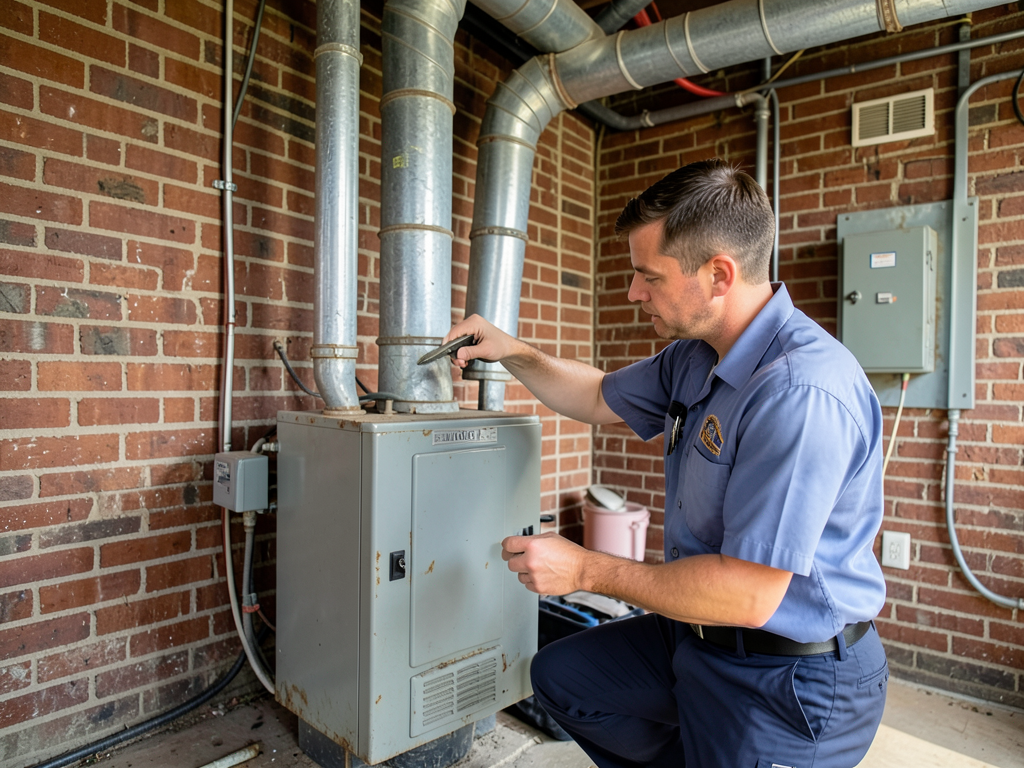
What to Do When Your South City Furnace Stops Working in the Middle of the Night
When your furnace stops working during a St. Louis winter night, every minute counts. The temperature drops fast in neighborhoods like Tower Grove and Dutchtown, and older brick bungalows lose heat quickly through their single-pane windows and drafty foundations. You need a solution now, not tomorrow. The Best Local Furnace Replacement Options for Kirkwood Families.
First, check your thermostat settings. Many emergency calls start with a simple fix – someone bumped the temperature setting or the batteries died. If that doesn’t work, check your circuit breaker. South City homes often have older electrical panels that trip easily when furnaces draw high startup current. Emergency AC Repair in Creve Coeur That Won’t Break the Bank.
Listen for clicking sounds from your furnace. A clicking but no ignition usually means a failed ignitor or a pilot light that went out. Smell for gas – if you detect that rotten egg odor, leave immediately and call Spire Energy from outside the house. Never stay in a home with a possible gas leak. Spire Energy gas safety information.
If you hear the blower running but feel no heat, your furnace might have a cracked heat exchanger. This is dangerous because it can leak carbon monoxide into your home. Feel the air coming from vents – if it’s barely warm or cold, you need emergency service right away.. Read more about Oil-to-Gas Furnace Conversion Specialists for Older Homes in Dogtown.
Common Furnace Failures in St. Louis Historic Homes
South City’s housing stock presents unique challenges. Most homes built before 1940 have gravity furnaces or early forced-air systems that weren’t designed for today’s efficiency standards. The narrow crawl spaces and tight mechanical rooms make modern furnace replacement difficult. Air Purification Systems.
Heat exchanger cracks are the most dangerous failure we see in older systems. The constant expansion and contraction from St. Louis’s freeze-thaw cycles eventually creates metal fatigue. A cracked heat exchanger can release carbon monoxide while still producing heat, making it a silent killer.
Thermocouple failures plague standing pilot systems common in homes built before the 1990s. These safety devices cut gas flow if the pilot light goes out, but they wear out after 5-7 years. When they fail, your furnace won’t light at all.
Blower motor issues often start with a humming sound that escalates to complete failure. The motors work harder in older ductwork with poor airflow, leading to overheating and bearing wear. You’ll notice weak airflow or complete silence when the motor fails.
Limit switch problems cause furnaces to cycle on and off rapidly. This safety device prevents overheating, but when it fails, your furnace can’t maintain temperature. You’ll feel warm air for a few minutes, then cold air, then warm again in a frustrating cycle.
Our Rapid Response Service Area in South St. Louis
We serve all South City neighborhoods including Tower Grove South, Dutchtown, Bevo Mill, Princeton Heights, and Southampton. Our average response time is under 2 hours for emergency calls within the 63109, 63116, and 63111 zip codes.
Our dispatch center operates 24/7 with live operators who can send a NATE-certified technician to your door immediately. We maintain fully stocked service vehicles with common replacement parts for major brands like Trane, Carrier, Lennox, and Rheem.
Emergency diagnostic fee: $89. This covers the technician’s travel, initial assessment, and safety inspection. If we perform repairs during the same visit, the diagnostic fee is waived. EPA carbon monoxide safety guidelines.
We honor manufacturer warranties on parts and provide a 1-year warranty on all repairs. Our technicians carry EPA certification for handling refrigerants and are licensed by the Missouri Division of Professional Registration. Why Professional Air Duct Cleaning is Essential for Wildwood Homes.
Transparent Pricing: What to Expect During an Emergency Call
Emergency service calls have different pricing than scheduled maintenance. The after-hours premium covers technician availability and faster response times. Here’s what you’ll pay for common emergency repairs:
| Repair Type | Average Cost Range | Typical Time to Complete |
|---|---|---|
| Igniter Replacement | $250 – $400 | 1-2 hours |
| Thermocouple Replacement | $180 – $280 | 45-90 minutes |
| Blower Motor Replacement | $450 – $750 | 2-4 hours |
| Limit Switch Replacement | $200 – $350 | 1-2 hours |
| Gas Valve Replacement | $350 – $550 | 2-3 hours |
We never charge overtime rates for emergency calls. The emergency premium is a flat fee added to standard repair rates. You’ll know the total cost before any work begins.
Troubleshooting Your Furnace Before You Call
Before calling for emergency service, try these steps. They might save you time and money:
- Check your thermostat batteries and settings
- Verify your circuit breaker hasn’t tripped
- Make sure your furnace switch is on (looks like a light switch near the unit)
- Check your air filter – a clogged filter can shut down your system
- Listen for error codes – many modern furnaces flash LED lights in specific patterns
If your furnace has a digital display, write down any error codes. This helps our technicians diagnose problems faster when they arrive.
Check your air vents. If you feel weak airflow but hear the blower running, you might have a simple filter issue or a more serious duct problem. Remove your filter and see if airflow improves.
Look at your furnace’s age. Most furnaces last 15-20 years. If yours is older than that and needs frequent repairs, replacement might be more cost-effective than another emergency fix.
Safety First: Carbon Monoxide and Gas Leak Prevention
Carbon monoxide is odorless and colorless. Your first warning might be flu-like symptoms – headache, dizziness, nausea. Every home with gas appliances needs working carbon monoxide detectors on every level, especially near sleeping areas.
Test your carbon monoxide detectors monthly. Replace batteries annually and the entire unit every 5-7 years. Many detectors have expiration dates printed on the back.
If your carbon monoxide detector sounds, evacuate immediately. Call 911 and do not re-enter until emergency responders say it’s safe. Do not try to find the source yourself.
Gas leaks require immediate evacuation. The rotten egg smell is added to natural gas for safety. If you smell it, leave the building, avoid using any electrical switches, and call Spire Energy from outside.
Install a programmable thermostat if you don’t have one. It can prevent many emergency calls by maintaining consistent temperatures and alerting you to problems before they become critical.
Preventing Future Emergency Calls
Annual furnace maintenance costs $150-200 but can prevent 90% of emergency breakdowns. During maintenance, technicians clean burners, check heat exchangers, test safety controls, and identify worn parts before they fail.
Change your air filter every 1-3 months depending on your home. A dirty filter restricts airflow, causing your furnace to overheat and shut down. It also reduces efficiency and increases energy bills.
Keep your furnace area clear. Don’t store chemicals, paint, or flammable materials near your furnace. These can cause fires or release fumes that damage furnace components.
Seal your ductwork if it’s in unconditioned spaces. Leaky ducts lose 20-30% of your heated air, making your furnace work harder and wear out faster. This is especially important in South City’s older homes with poorly insulated basements.
Consider a whole-house humidifier. Winter air in St. Louis is extremely dry, and your furnace can’t add moisture. Proper humidity levels (30-50%) make your home feel warmer at lower temperatures, reducing furnace runtime.
Why Choose Local South City Experts
We understand South City’s unique housing stock. The narrow mechanical rooms, tight basement stairs, and older electrical systems require specialized knowledge. Our technicians have worked on hundreds of homes in Tower Grove, Dutchtown, and surrounding neighborhoods.
We carry parts for the specific furnace models common in South City’s historic homes. Many national chains don’t stock parts for older equipment, leading to multiple service calls and delays.
Our relationships with local suppliers mean we can get parts faster than competitors. When you need heat tonight, waiting days for a part delivery isn’t acceptable.
We provide honest assessments. If your 25-year-old furnace needs $800 in repairs, we’ll tell you that replacement might be smarter. We don’t push unnecessary replacements, but we won’t let you throw good money after bad on failing equipment.
Our technicians live in the communities we serve. They understand the urgency of getting heat back on during a St. Louis winter night because they have families in homes just like yours.
Frequently Asked Questions
How long can I wait if my furnace stops working?
Not long in winter. A home can drop below freezing within 12-24 hours when it’s below 30 degrees outside. Pipes can freeze and burst, causing thousands in water damage. Call immediately if you have no heat when it’s near or below freezing.
Is emergency service more expensive at night?
Yes, but the difference is usually a flat emergency fee rather than hourly overtime rates. The fee covers technician availability and faster response. Compare this to the cost of burst pipes or extended hotel stays – emergency service is often the cheaper option.
What if I can’t afford emergency repairs?
We offer financing options for unexpected repairs. Some repairs qualify for utility rebates or tax credits. We can also provide temporary heating solutions while you arrange payment. Never let cost prevent you from getting heat in freezing weather. Commercial Heating Services.
How do I know if my furnace is dangerous?
Symptoms include yellow burner flames (should be blue), soot around the furnace, strange odors, or symptoms like headaches and dizziness when the furnace runs. If you’re unsure, turn it off and call for service. Carbon monoxide detectors are your best safety device.
Can I fix my furnace myself?
Simple things like changing filters or checking breakers are fine. But working on gas lines, electrical components, or the heat exchanger requires training and licensing. DIY repairs can void warranties, create safety hazards, and often cost more to fix when done incorrectly.
Don’t Wait Until It’s Too Late
Furnace problems rarely fix themselves. That clicking sound will become a complete failure. The weak airflow will become no airflow. The strange smell will become a dangerous situation.
If your furnace stops working tonight, call (314) 417-7771 now. Our NATE-certified technicians are standing by to restore your heat and your peace of mind. We’ll diagnose the problem, explain your options, and get your home warm again – often within hours of your call.
Don’t risk frozen pipes, water damage, or dangerous carbon monoxide exposure. Pick up the phone and call (314) 417-7771 before the temperature drops any further. Your family’s comfort and safety can’t wait.
Remember: We’re not just another HVAC company. We’re your neighbors who understand South City’s unique heating challenges. When you call, you’re getting local expertise, not a national chain’s one-size-fits-all approach.
Call (314) 417-7771 today to schedule your inspection or emergency repair. Your warm home is just one call away.
You may also find this helpful. Affordable Seasonal HVAC Tune-Up and Maintenance Plans in Manchester.
{
“@context”: “https://schema.org”,
“@type”: “BlogPosting”,
“headline”: “What to Do When Your South City Furnace Stops Working in the Middle of the Night”,
“description”: “Your furnace died in South City? Get emergency furnace repair from NATE-certified technicians. We diagnose and fix heating failures fast – call (314) 417-7771 now.”,
“wordCount”: 1794,
“datePublished”: “2026-02-18T07:09:00.000Z”,
“dateModified”: “2026-02-18T07:09:00.000Z”,
“inLanguage”: “en-US”,
“mainEntityOfPage”: {
“@type”: “WebPage”,
“@id”: “https://keystonehvacstlouis.com”
},
“publisher”: {
“@type”: “LocalBusiness”,
“name”: “Keystone HVAC St. Louis”,
“url”: “https://keystonehvacstlouis.com”
},
“author”: {
“@type”: “Organization”,
“name”: “Keystone HVAC St. Louis”,
“url”: “https://keystonehvacstlouis.com”
},
“image”: {
“@type”: “ImageObject”,
“url”: “https://keystonehvacstlouis.com/wp-content/uploads/2026/03/what-to-do-when-your-south-city-furnace-stops-work-1.png”
}
}
{
“@context”: “https://schema.org”,
“@type”: “HVACBusiness”,
“name”: “Keystone HVAC St. Louis”,
“url”: “https://keystonehvacstlouis.com”,
“address”: {
“@type”: “PostalAddress”,
“addressLocality”: “St. Louis”
},
“areaServed”: {
“@type”: “City”,
“name”: “St. Louis”
}
}
{
“@context”: “https://schema.org”,
“@type”: “FAQPage”,
“mainEntity”: [
{
“@type”: “Question”,
“name”: “How long can I wait if my furnace stops working?”,
“acceptedAnswer”: {
“@type”: “Answer”,
“text”: “Not long in winter. A home can drop below freezing within 12-24 hours when it’s below 30 degrees outside. Pipes can freeze and burst, causing thousands in water damage. Call immediately if you have no heat when it’s near or below freezing.”
}
},
{
“@type”: “Question”,
“name”: “Is emergency service more expensive at night?”,
“acceptedAnswer”: {
“@type”: “Answer”,
“text”: “Yes, but the difference is usually a flat emergency fee rather than hourly overtime rates. The fee covers technician availability and faster response. Compare this to the cost of burst pipes or extended hotel stays – emergency service is often the cheaper option.”
}
},
{
“@type”: “Question”,
“name”: “What if I can’t afford emergency repairs?”,
“acceptedAnswer”: {
“@type”: “Answer”,
“text”: “We offer financing options for unexpected repairs. Some repairs qualify for utility rebates or tax credits. We can also provide temporary heating solutions while you arrange payment. Never let cost prevent you from getting heat in freezing weather. Commercial Heating Services.”
}
},
{
“@type”: “Question”,
“name”: “How do I know if my furnace is dangerous?”,
“acceptedAnswer”: {
“@type”: “Answer”,
“text”: “Symptoms include yellow burner flames (should be blue), soot around the furnace, strange odors, or symptoms like headaches and dizziness when the furnace runs. If you’re unsure, turn it off and call for service. Carbon monoxide detectors are your best safety device.”
}
},
{
“@type”: “Question”,
“name”: “Can I fix my furnace myself?”,
“acceptedAnswer”: {
“@type”: “Answer”,
“text”: “Simple things like changing filters or checking breakers are fine. But working on gas lines, electrical components, or the heat exchanger requires training and licensing. DIY repairs can void warranties, create safety hazards, and often cost more to fix when done incorrectly.”
}
}
]
}
{
“@context”: “https://schema.org”,
“@type”: “BreadcrumbList”,
“itemListElement”: [
{
“@type”: “ListItem”,
“position”: 1,
“name”: “Home”,
“item”: “https://keystonehvacstlouis.com”
},
{
“@type”: “ListItem”,
“position”: 2,
“name”: “Blog”,
“item”: “https://keystonehvacstlouis.com/blog”
},
{
“@type”: “ListItem”,
“position”: 3,
“name”: “What to Do When Your South City Furnace Stops Working in the Middle of the Night”
}
]
}
{
“@context”: “https://schema.org”,
“@type”: “Service”,
“serviceType”: “HVAC”,
“provider”: {
“@type”: “LocalBusiness”,
“name”: “Keystone HVAC St. Louis”,
“url”: “https://keystonehvacstlouis.com”
},
“areaServed”: {
“@type”: “City”,
“name”: “St. Louis”
},
“description”: “Your furnace died in South City? Get emergency furnace repair from NATE-certified technicians. We diagnose and fix heating failures fast – call (314) 417-7771 now.”
}